


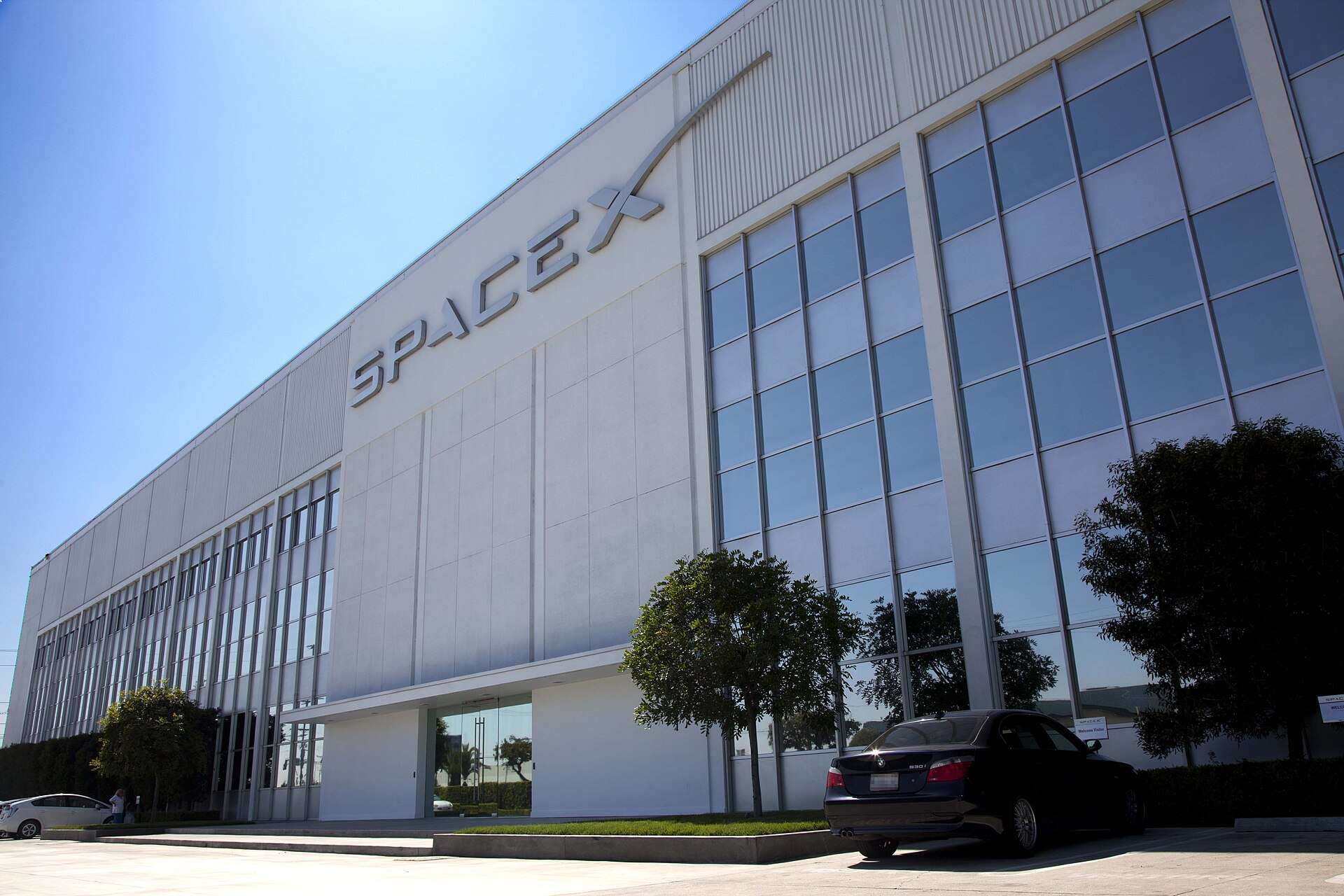
The boards of directors for SpaceX and Tesla have each established special committees to evaluate a potential merger between the two companies. Elon Musk, who serves as the chief executive officer and largest individual shareholder for both entities, confirmed the formation of these groups during a recent earnings call.
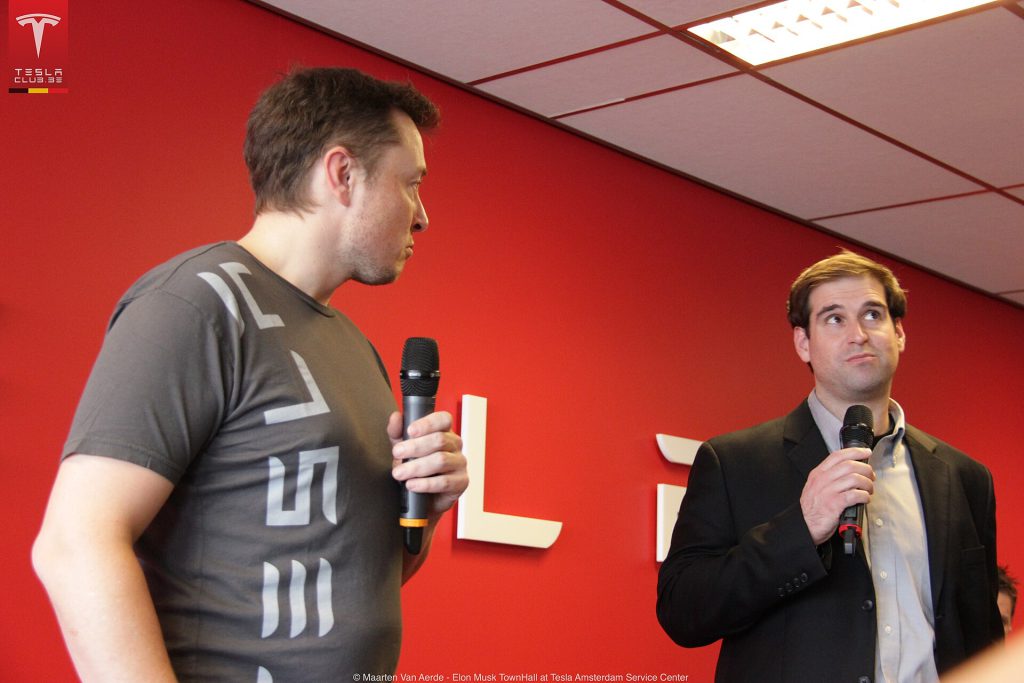
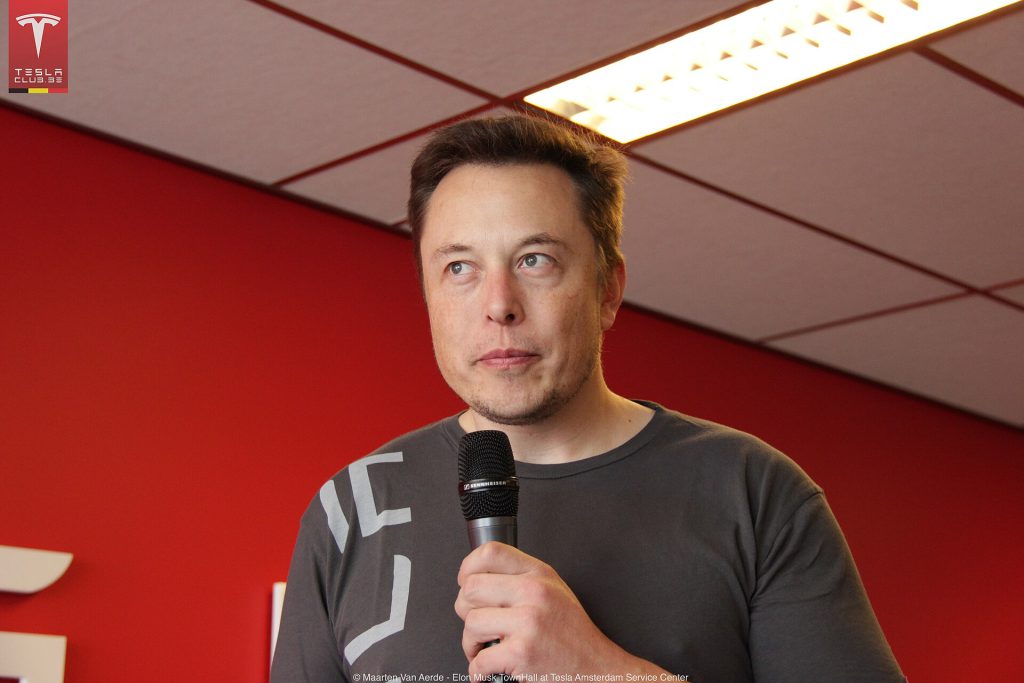
Musk stated that the committees were created at the request of shareholders. He emphasized that because he is a conflicted party, he cannot participate in the discussions. “Because I’m a conflicted party, I can’t actually be in the discussions of the special committees,” Musk said. “It’s an odd kabuki dance where two groups of people are talking, and I can’t be in the conversation.”
Independent Oversight and Board Composition
The special committees consist entirely of independent directors. Musk did not disclose the specific members of these new groups, but company filings provide a clear picture of the independent leadership at both organizations.
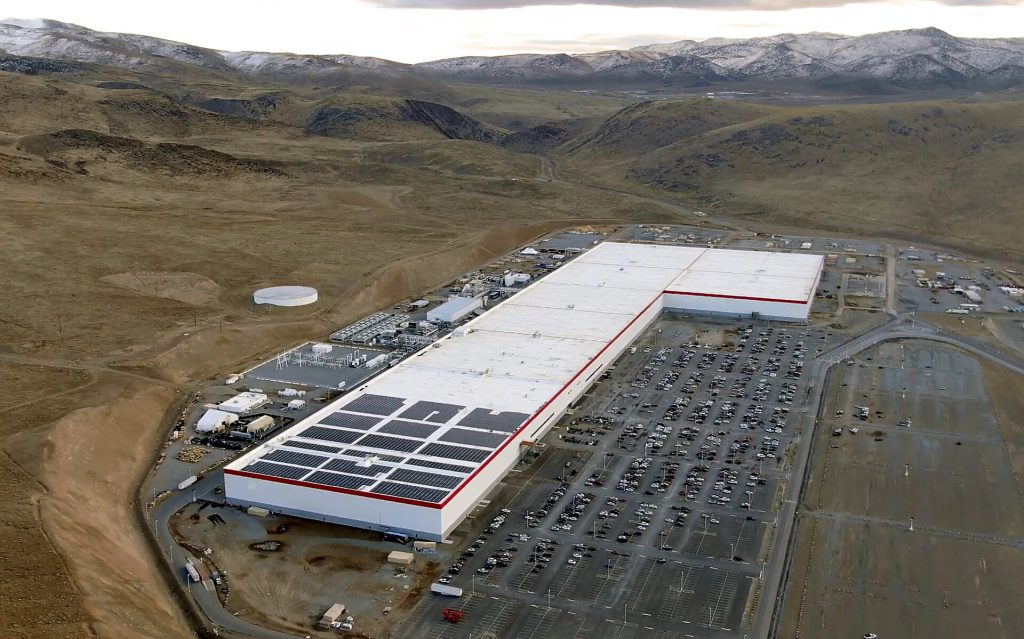
Tesla currently has seven independent board members under Nasdaq listing standards. These include board chair Robyn Denholm, Ira Ehrenpreis, who also serves as a committee chair, former CTO JB Straubel, Joe Gebbia, Jack Hartung, James Murdoch, and Kathleen Wilson-Thompson. Neither Musk nor his brother Kimbal Musk holds an independent status on the board.
SpaceX lists six independent directors. Ehrenpreis also serves in this capacity for SpaceX, where he chairs the compensation and nominating committee. Other independent directors at SpaceX include Randy Glein, Donald Harrison, Steve Jurvetson, Luke Nosek, and Roelef Boutha. Antonio Garcias, SpaceX president Gwynne Shotwell, and Musk are also on the SpaceX board but are not considered independent. Garcias, through his firm Valor Equity Partners, holds a 3.4% stake in SpaceX and has financed some of the company’s AI hardware purchases.
Shareholder Approval and Strategic Rationale
Musk expressed support for the merger but cautioned that the outcome is not guaranteed. He noted that shareholders must ultimately approve the transaction. “I think some people out there assume that a SpaceX and Tesla Motor is a certainty, and I think that would be overstating it,” he said. “At the end of the day, the shareholders have to be supportive of this.”
The path to approval differs significantly between the two companies. SpaceX’s recent initial public offering cemented Musk’s control, giving him more than 50% of the voting power. This structure simplifies the process of securing shareholder support at SpaceX. Tesla faces a more complex hurdle, requiring a 50% vote from all shareholders, not just those who cast ballots.
Musk argued that combining the companies makes sense as the industry approaches what he described as the superintelligence singularity. He highlighted potential synergies in AI software development, robotics, and hardware projects. These include Starmind, an orbital AI data center project by SpaceX, and Terafab, a joint chip manufacturing initiative between Tesla and SpaceX.
The special committees have not yet reached an agreement on the terms of any potential transaction. Musk confirmed that discussions are ongoing and that no final deal has been structured.
Source: TechCrunch
