



Alissa Timoshkina has shared two new recipes that highlight the hearty, nutrient-rich traditions of central and eastern European cooking. The dishes include a thick, creamy wild mushroom stew inspired by Belarusian mačanka and a versatile cabbage and mushroom soup that captures the essence of regional home cooking.
The stew is served with lokše, which are flatbreads made from mashed potato dough. This specific topping is a Slovak dish, creating a blend of influences that Timoshkina describes as her own play on traditional peasant culture. The result is a tangy, rich dish designed to taste like home for those connected to the region.
Origins of the Stew Recipe
Timoshkina first encountered the concept for the stew a few years ago while working on her previous cookbook, Kapusta. During the project, she spoke with food writer Anastasia Zolotarev, who has Belarusian lineage. Zolotarev brought up the dish, known as mačanka, which did not make it into Kapusta but later appeared in Zolotarev’s debut book, Sour Cherries and Sunflowers.
Research into the dish revealed that mačanka also exists in Slovak cuisine, where it appears as a thick soup infused with sauerkraut brine. Both versions are rooted in a history of simple, accessible ingredients used to create hearty stews. Timoshkina’s version combines the Belarusian inspiration with the Slovak lokše to create a distinct dish.
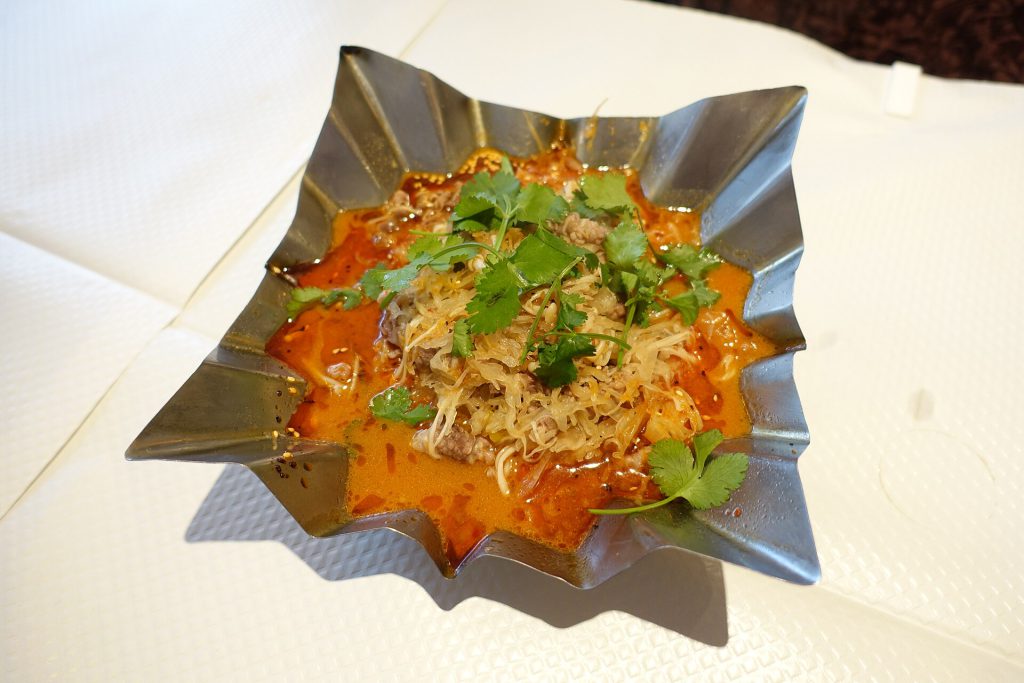
Preparing the Mushroom Stew and Lokše
The stew begins by melting salted butter in a large saucepan. Thinly sliced onion, minced garlic, and fresh thyme are fried for 10 minutes until soft. Sliced chestnut mushrooms are then added with salt, covered, and cooked for eight minutes to release their liquid. Dried porcini mushrooms, which have been soaked in just-boiled water, are strained through muslin to remove grit, chopped finely, and added to the pan along with the soaking liquid and sauerkraut brine.
The mixture is seasoned with black pepper and simmered on low heat for 15 to 20 minutes to develop the flavors. In a separate pan, a sauce is made by cooking plain flour in butter until lightly golden, then whisking in single cream. This cream sauce is stirred into the mushroom base and cooked uncovered for five minutes to thicken.
To make the lokše, potatoes are quartered and boiled in salted water for 20 to 25 minutes until cooked through. They are drained, mashed, and left to cool completely. The cooled mash is combined with plain flour, a beaten egg, and salt to form a dough. The dough is rolled into a log, cut into 12 pieces, and flattened into 3mm-thick discs. These are cooked in a dry, nonstick frying pan for two to three minutes on each side until golden brown spots appear. The pancakes are brushed with melted butter and kept warm under a tea towel.
The stew is topped with fried onions made by cooking sliced onion in vegetable oil with a pinch of sugar and salt until golden and crisp. Fresh flat-leaf parsley is sprinkled over the top before serving.
A Versatile Cabbage and Mushroom Soup
The second recipe is a simple, seasonal soup that Timoshkina describes as capturing the heart and soul of eastern European soup making. It is designed to be versatile, allowing cooks to swap fresh cabbage for sauerkraut or fresh mushrooms for dried varieties depending on what is available.
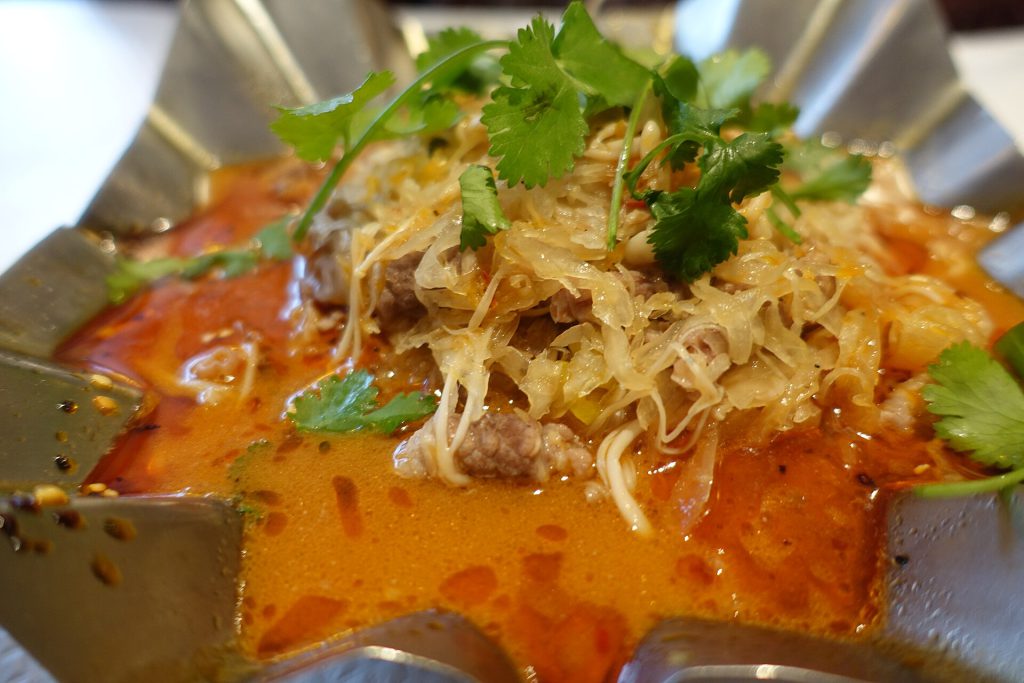
Neutral vegetable oil is heated in a lidded stockpot. Diced onion, grated carrots, caraway seeds, dried thyme, and salt are fried for eight to 10 minutes. Chopped chestnut mushrooms are added and cooked for five to eight minutes until their liquid is released. Shredded cabbage, diced potatoes, vegetable broth, and a bay leaf are then added to the pot.
The soup is simmered gently for 15 to 20 minutes until the potatoes are cooked through but the cabbage retains a little bite. It is garnished with fresh dill and black pepper before serving.
These recipes are edited extracts from Lozhka: Eastern European Soups, Stews & Other Things We Eat with a Spoon, by Alissa Timoshkina, published by Quadrille at £28.
Source: The Guardian
