



Workers in hospice and end of life care are witnessing the final chapters of human existence. Their daily interactions with patients who have six months or less to live have reshaped their understanding of mortality. These professionals argue that death is not merely a medical endpoint but a profound opportunity for connection, reflection, and closure.
Reframing Hospice Care
Courtney, a nurse practitioner in Missouri who requested anonymity, describes hospice as a gift rather than a surrender. She notes that many people associate the term with giving up, but her experience tells a different story. For her patients, hospice provides the comfort of staying at home. It allows them to eat what they want and spend their remaining time in a familiar environment surrounded by family.
Her journey began in oncology and intensive care units. She found herself drawn to the moments when patients transitioned to comfort measures only. This type of care focuses on relieving pain and distress rather than prolonging life. Courtney recalls dimming the lights and preparing rooms to create a gentle atmosphere for goodbyes. She fell in love with the intentionality of these final moments.

The Necessity of Open Dialogue
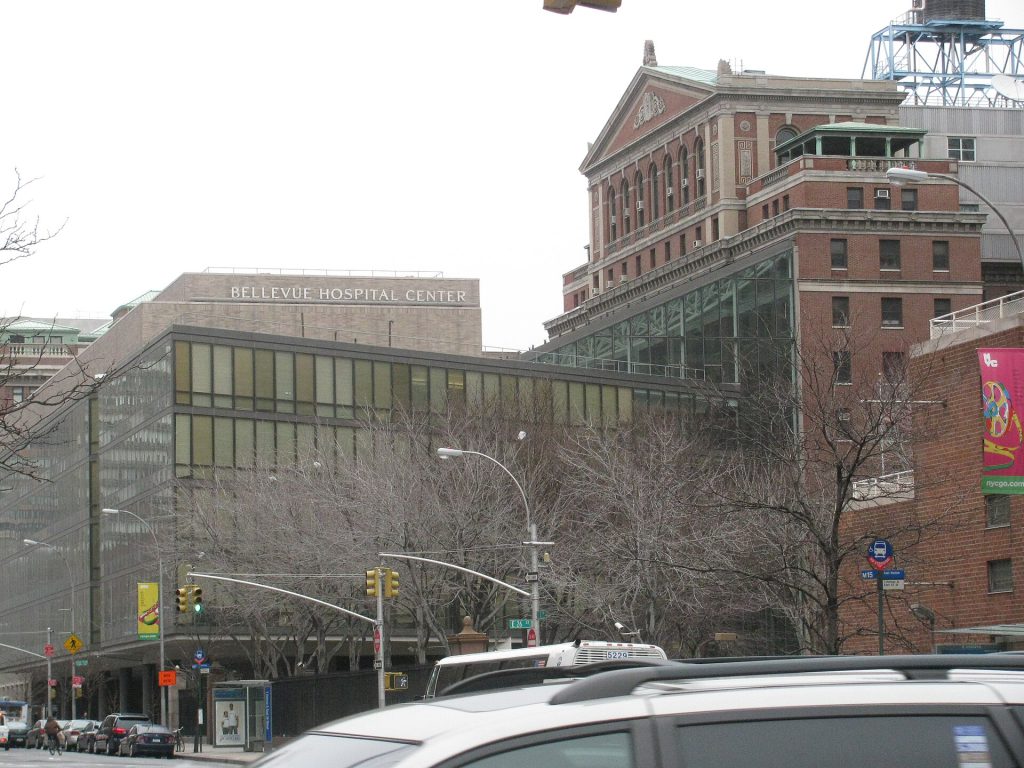
Experts emphasize that avoiding the topic of death often leads to regret. Penny Smith, a retired hospice nurse with two decades of experience, states that the best way to ensure a good death experience is through open conversations with loved ones. Many people hesitate to discuss mortality due to superstition or fear of causing distress. Dr. Luyi Kathy Zhang, director of the palliative care serenity unit at Bellevue Hospital in New York City, notes that patients often worry that talking about death will hasten it.
Despite these fears, clear communication ensures that end of life wishes are respected. This can include specific requests for music, the presence of certain individuals, or the management of pain. Zhang observes that death often magnifies the love and devotion between people. Witnessing this devotion can transform a sad event into a beautiful experience for those present.

Prioritizing What Matters
Working with dying patients highlights the fragility of time. Smith shares that many patients waited for the perfect moment to take a dream vacation, only to pass away before they could go. Zhang hears similar stories of people who delayed pursuing their goals due to fear of judgment or risk. She advises people to act on their desires rather than assuming they have decades left.
Courtney points out that while medical conditions like cancer or chronic obstructive pulmonary disease are beyond our control, our response to them is not. She focuses on ensuring that patient wishes are honored and that dignity is maintained. This perspective helps her manage daily stressors. She tells herself that if she lives to be eighty, she will not remember minor inconveniences like traffic jams.
Zhang has learned to be present and grateful for small moments, such as enjoying a cup of coffee. She used to constantly worry about future achievements, but now she values the current moment. Courtney also reminds her colleagues that every patient is someone’s parent, child, or friend. This humanizes the work and encourages patience and generosity in all interactions.
Ultimately, these workers believe that the impact we have on others is what remains. Courtney recalls a patient who told her that life is delightful and messy. She believes that leaving a positive impact is the most significant legacy anyone can have.
Source: The Guardian
