


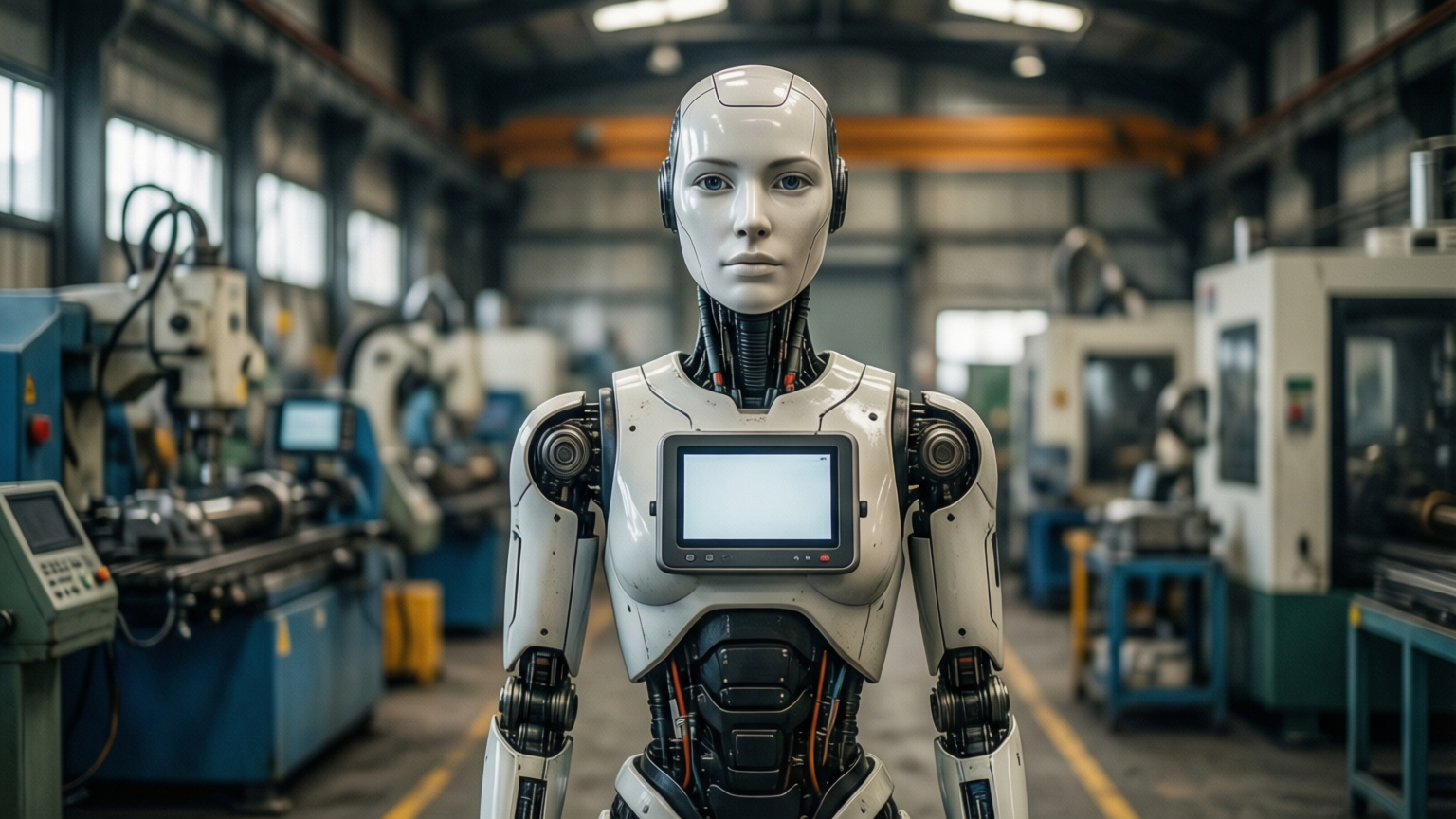
Tesla has started production of its Optimus humanoid robot at its factory in Fremont, California, the company announced on Wednesday. The manufacturing space was previously dedicated to building electric vehicles. In a letter to shareholders, Tesla stated that the units coming off the line are the first production-quality bots the company has manufactured.
The company noted that while it will continue to refine the hardware and manufacturing process, the current method is suitable for a commercial product. This marks a significant shift for Tesla as it expands beyond electric vehicles into robotics and artificial intelligence.
Optimus Robot Manufacturing Details
Elon Musk, Tesla’s chief executive, described the current output as early production during a conference call with investors. He warned that the ramp-up would be slow and somewhat bumpy because the product is radically new. Despite these challenges, Musk claimed Tesla aims to produce 20,000 units per week by the end of 2027.
Musk acknowledged that design tweaks are still necessary. He emphasized the need for robots that are safe, reliable, and durable enough to last longer than a month. He also noted that significant work remains on the artificial intelligence side to make the robots truly useful for open-ended tasks.
Tesla Q3 Earnings and Financial Impact
The push into robotics coincided with a challenging financial quarter for Tesla. The company reported a 43% drop in profits compared to the same period last year. Net income fell to $787 million from $1.37 billion in the third quarter of 2025. This decline was driven by skyrocketing expenses related to AI projects and the Optimus robot program.
Total revenue for the quarter was $28.04 billion, slightly below the $28.09 billion generated in the third quarter of 2025. It was also lower than the $28.23 billion recorded in the previous quarter. Electric vehicle sales, which drove most of the revenue, remained flat year-over-year at $20 billion. Tesla delivered 486,532 vehicles in the quarter, an increase of about 6,000 from the prior quarter but fewer than in the same period last year.
The solar and energy storage business saw a 16% year-over-year revenue decline to $2.8 billion. Tesla attributed this drop to customer refunds related to tariffs. In contrast, the services business, which includes subscriptions for Full Self-Driving software, grew 33% year-over-year. This segment brought in $4.6 billion and generated a record $734 million in gross profit.
Autonomous Driving Timeline
Tesla executives remained optimistic about the company’s Full Self-Driving (FSD) product during the earnings call. Ashok Elluswamy, vice president of AI software, suggested that the first customer vehicles equipped with unsupervised driving capabilities could be part of the robotaxi fleet around the second quarter of next year. This would involve a software update for vehicles currently using the supervised version.
Musk had previously indicated in April that the unsupervised version might be released in the fourth quarter of this year. The timeline has since shifted, reflecting the complexity of developing Level 4 autonomous driving capabilities. Lower sales of regulatory credits also put additional pressure on Tesla’s profitability this quarter.
Source: TechCrunch
