


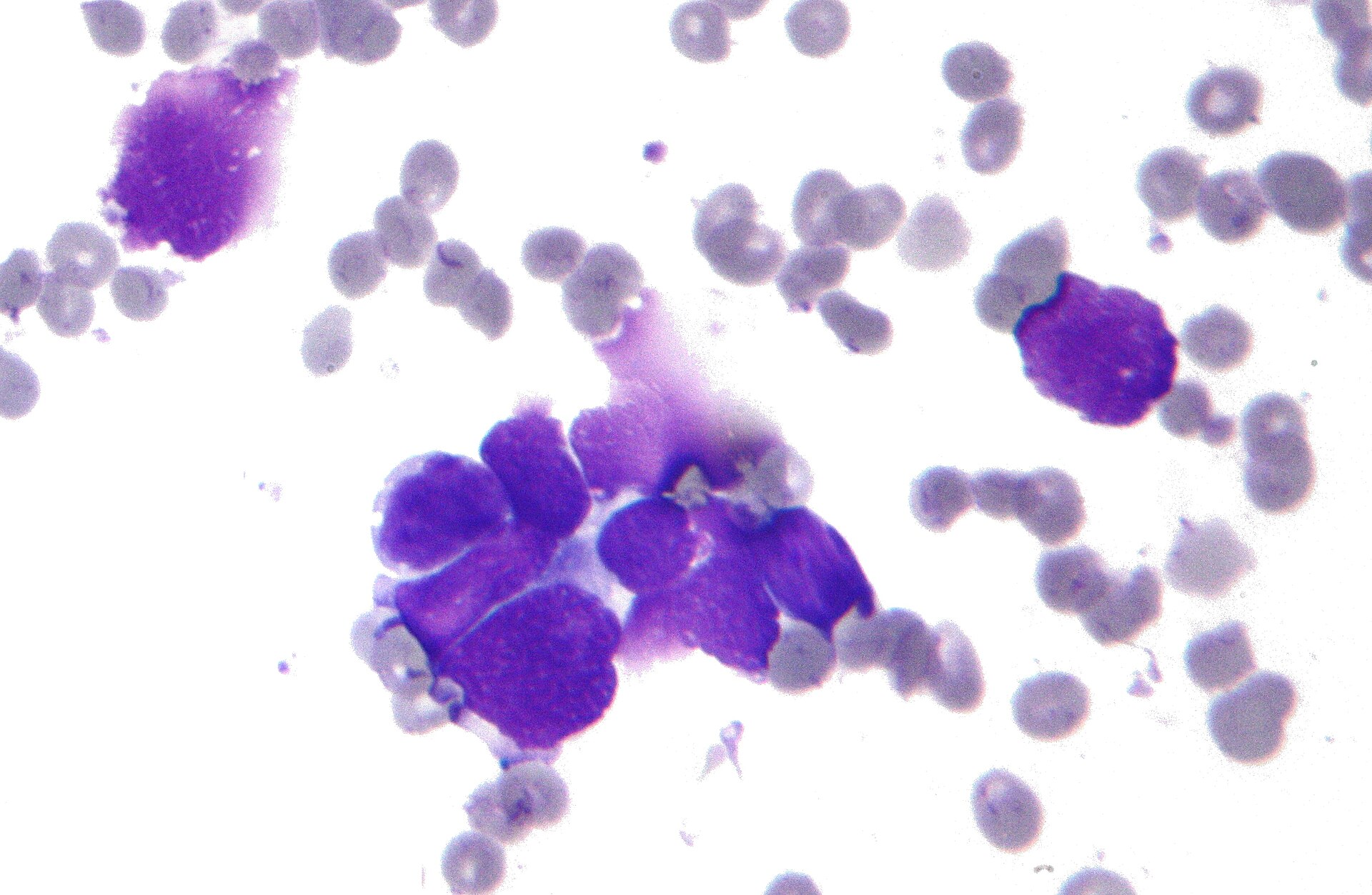
Scientists at the Walter and Eliza Hall Institute (WEHI) have identified a specific type of immune cell capable of detecting and destroying small cell lung cancer. The discovery, published in the journal Cancer Cell, reveals a previously overlooked defense mechanism that could help overcome the aggressive nature of this disease.
Small cell lung cancer remains one of the deadliest forms of the disease. Fewer than 7 percent of patients survive five years after diagnosis. While immunotherapy has improved outcomes for other cancers, its success against small cell lung cancer has been limited. The tumors often evade detection by conventional immune cells, allowing the disease to persist despite the body’s natural defenses.
Gamma Delta T Cells Identify Tumor Weaknesses
The research team found that gamma delta T cells appear to see through the camouflage used by small cell lung cancer. These specialized cells are present in the tumors and appear capable of fighting the disease. Patients whose tumors contained higher numbers of these cells tended to survive longer.
Professor Kate Sutherland, the study’s senior author, noted that the findings provide the strongest evidence yet that these cells play a role in the immune response to small cell lung cancer. She stated that the discovery could help address a longstanding challenge in lung cancer research by finding ways to make immunotherapy effective for more patients.
The team analyzed data from two major clinical trials, IMpower133 and CASPIAN. These studies helped establish immunotherapy as a standard treatment option. Computational techniques revealed that patients with stronger gamma delta T cell signatures benefited most from immunotherapy.
Existing Drugs Enhance Immune Response
To test whether these cells could directly attack lung cancer, scientists developed miniature tumors using tissue samples from patients. They introduced gamma delta T cells collected from the same patients into the tumor models. The results showed that these immune cells were highly effective at identifying and destroying cancer cells.

The researchers then tested whether two approved medications could strengthen this immune response. Zoledronate, a drug used for osteoporosis and bone disease, increased the number of available gamma delta T cells and improved their ability to identify tumors. Tarlatamab, a cancer treatment approved for small cell lung cancer, helped bring the immune cells and cancer cells together.
When used together, the drugs substantially increased the ability of gamma delta T cells to kill cancer cells in laboratory experiments. Dr. Jin Ng, the study’s first author, said the discovery could support a treatment approach known as adoptive cell transfer. This involves collecting immune cells, multiplying them outside the body, and delivering them back to the patient.

Because methods for expanding and reinfusing gamma delta T cells already exist, the researchers believe their findings could accelerate the development of new treatments. For patients with lower levels of these cells, therapies such as zoledronate may offer a way to boost their cancer-fighting immune cells.
The WEHI team is now working with scientists at the Doherty Institute to translate these findings into a new class of immunotherapy drugs for small cell lung cancer.
Source: ScienceDaily
