


Medieval knights once clashed on warhorses with wooden lances, but a recent spectacle in east London swapped horses for Lime bikes and lances for PVC pipes. This contemporary spin on a medieval joust is just one example of the medieval era erupting into the zeitgeist. The trend, often dubbed medievalcore, spans high fashion, pop music, and political art, reflecting a broader cultural shift among young people.
Fashion and Art Embrace Medieval Aesthetics
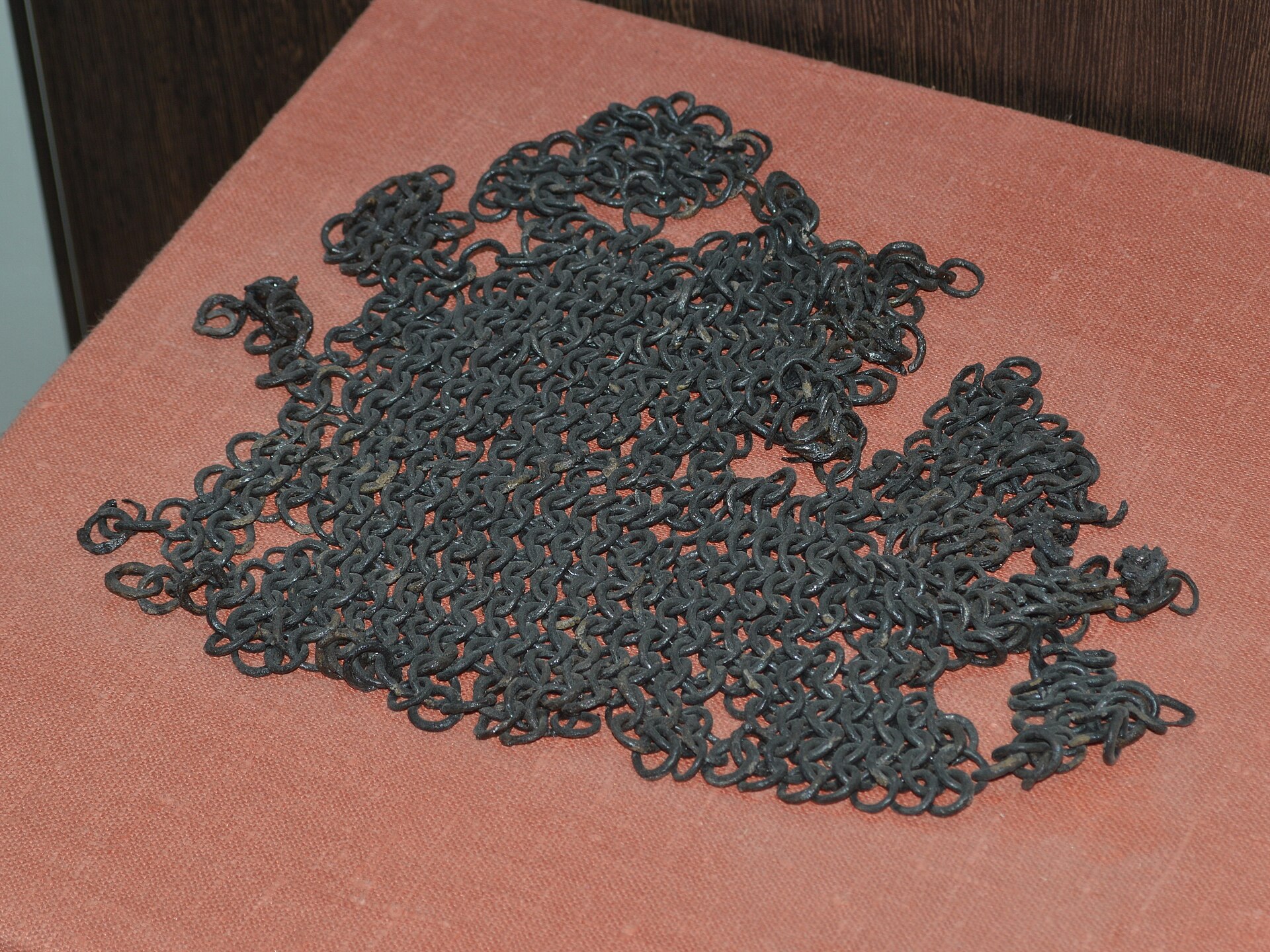
Major fashion houses including Givenchy, Louis Vuitton, and Max Mara have featured wimples and chainmail on their runways. In the music world, Australian pop star Troye Sivan posted a video for his song Party where he poses as a medieval knight. The video features hedonistic, homoerotic imagery, including choreography where Sivan is used like a battering ram.
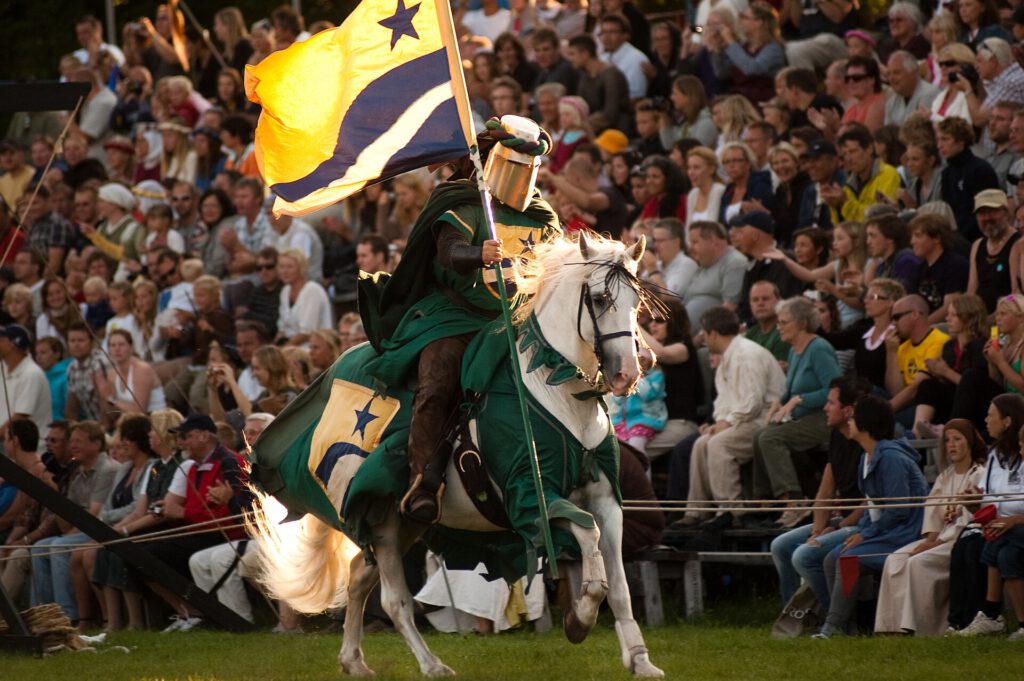
Artists are also drawing on medieval themes. Corbin Shaw staged an anti-Frieze show called Feast of Fools at the Frieze art fair. The show took inspiration from a medieval festival where the peasant class could insult the rich. Shaw told GQ that the concept allowed for a temporary inversion of social hierarchies. The jousting event in London was organized by 24-year-old artist Jack Cardenas as a more accessible alternative to the expensive Frieze fair. Cardenas noted that many community members attended the event.
Anti-Authoritarian and Social Commentary
The medievalcore trend is not just about aesthetics. It carries an anti-authoritarian streak. The political collective Sports Banger has released T-shirts reading Peasants’ Revolt 1381. Let’s finish the job. Paul Greengrass’s new film The Uprising features Andrew Garfield leading a retelling of the Peasants’ Revolt. Garfield told the Washington Post that the film feels prescient and predictive of the No Kings movement in the US.
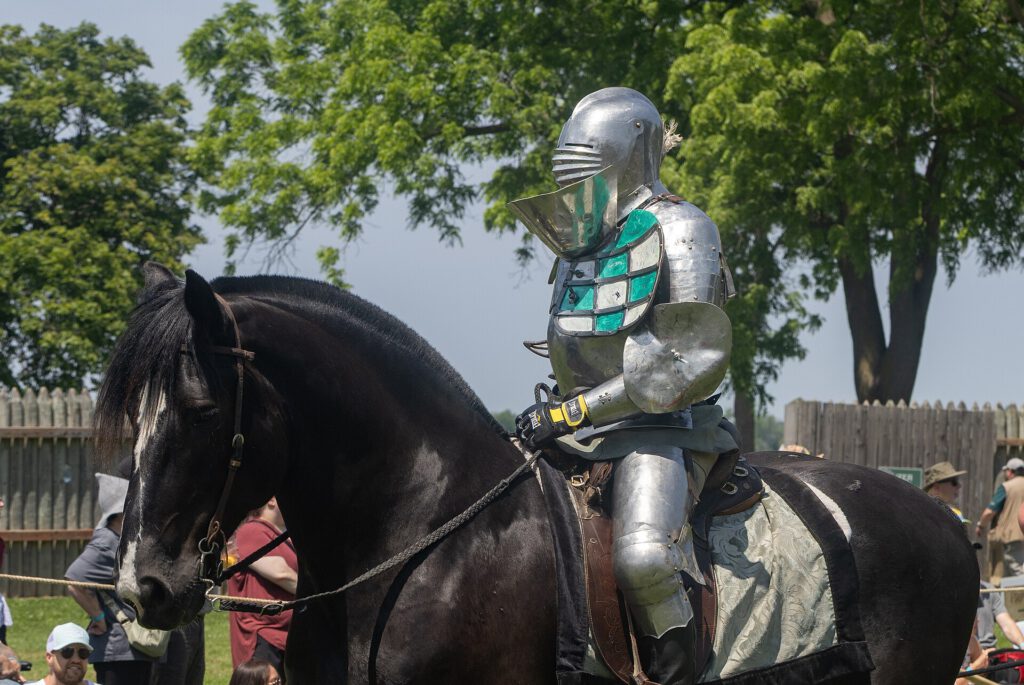
Cultural analysts see parallels between the post-plague social changes of the 14th century and the post-pandemic era. Marion Turner, a professor of English literature at the University of Oxford, noted that the plague prompted massive social change, including wage rises and new social mobility. In the UK, people feel less willing to accept the status quo. Bridget Dalton, a semiotician at Truth Consulting, described the trend as a way to explore voracious sexuality and a more acceptable, less perfect idea of womanhood and masculinity.
Reclaiming Englishness and Community
The trend also offers a way to discuss British identity without traditional nationalist symbols. Shaw, whose T-shirt reads Eng ‘lish’, told GQ that he hates the ruling classes of England but wants to take back medieval symbols of English pride. Dalton said that watching youth culture embrace the medieval is a way to talk about Britain and explore reparative ideas about what it means to be British.
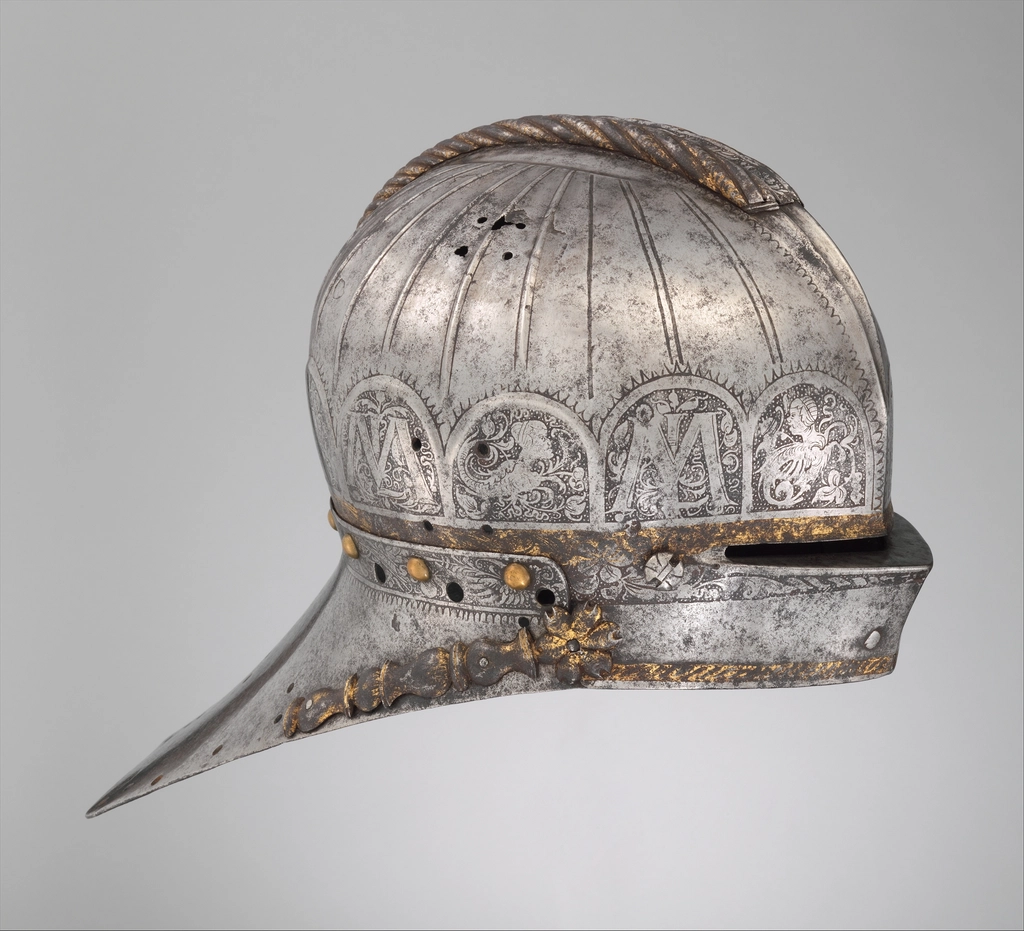
Simon Trafford, a senior lecturer in medieval history at the University of London Institute of Historical Research, said that the medieval era is always present in culture. He noted that it is a matter of which particular bits are borrowed at any one time. The trend allows for a fantasy other space where community, nature, and folklore can be emphasized. This stands in contrast to the globalized, technological times we live in. The medievalcore trend shows how young people are using history to comment on the present.
Source: The Guardian
