


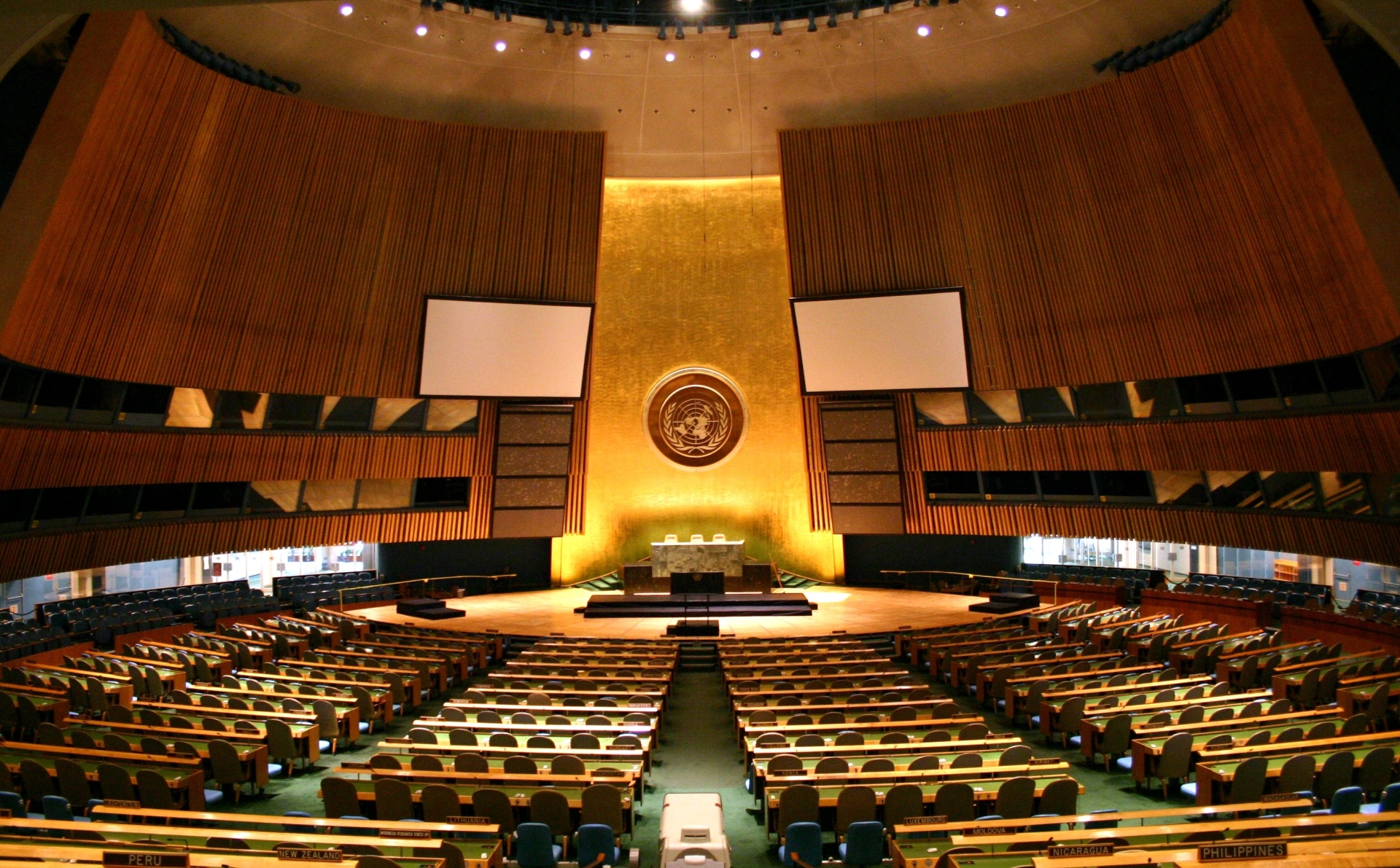
International politics currently resembles a collective drift toward instability. Three converging trends are driving this uncertainty. Artificial intelligence is accelerating both old and new dangers. No single state possesses the strength to impose order. Geopolitical blocs are hardening, and international cooperation is increasingly viewed as a sign of weakness.
The focus often falls on the risk of conflict between the United States and China. This view assumes a shift in hegemonic power will inevitably lead to war. The reality is different. The world is moving toward a multipolar order where several states and regional blocs compete for influence. No single nation can dominate this landscape.
Technology Outpaces Military Control
Artificial intelligence adds significant stress to existing power structures. While technology grants individuals unprecedented access to information, it also disempowers them by creating new vulnerabilities. Larger states are finding it harder to convert raw power into actual control.
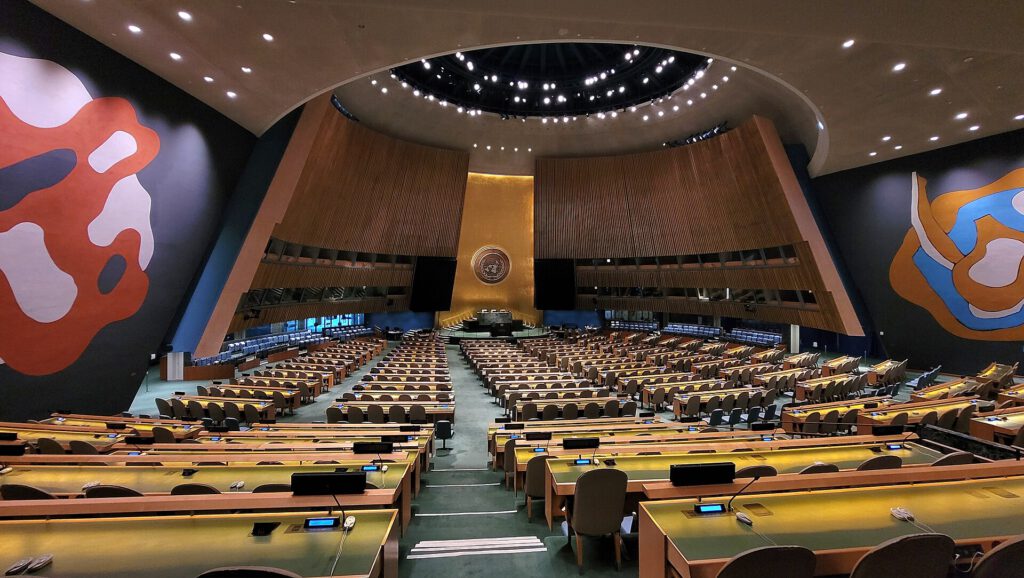
This loss of control is visible in the military domain. Inexpensive drones and AI-assisted targeting have disrupted traditional hierarchies. The United States, despite its vast arsenal, has struggled to force compliance from Iran. Russia’s inability to subjugate Ukraine further demonstrates that superior military force does not guarantee success.
New technology extends this loss of control beyond the battlefield. A future pandemic could emerge from a hidden laboratory with far deadlier consequences than COVID-19. Cyberattacks can be launched from small, untraceable locations. Frontier AI systems might spiral beyond human oversight. These technologies lower the barriers to developing nuclear or biological weapons.
Such threats ignore borders. If one nation establishes strict safety measures, malicious actors will simply move to a jurisdiction with weaker regulations. A state can possess overwhelming economic and military capabilities and still fail to stop a pathogen or contain dangerous technology. Strategies based on peace through strength are ineffective against these diffuse risks.
The Case for Multilateral Institutions
Many state leaders are doubling down on national ambition and digital supremacy. They view negotiating mutual constraints through international law as naive. This approach is not just ineffective; it poses an existential threat. The cumulative risk of global catastrophe is high. A one percent annual probability of disaster translates to a 63 percent chance over a century.
Military strength remains necessary, but it is not sufficient. Real security in a multipolar world requires powerful international institutions and laws. Global standards must be developed and enforced. International organizations need the authority to monitor, inspect, and report on activities within national borders. Governments must regularly share sensitive information.
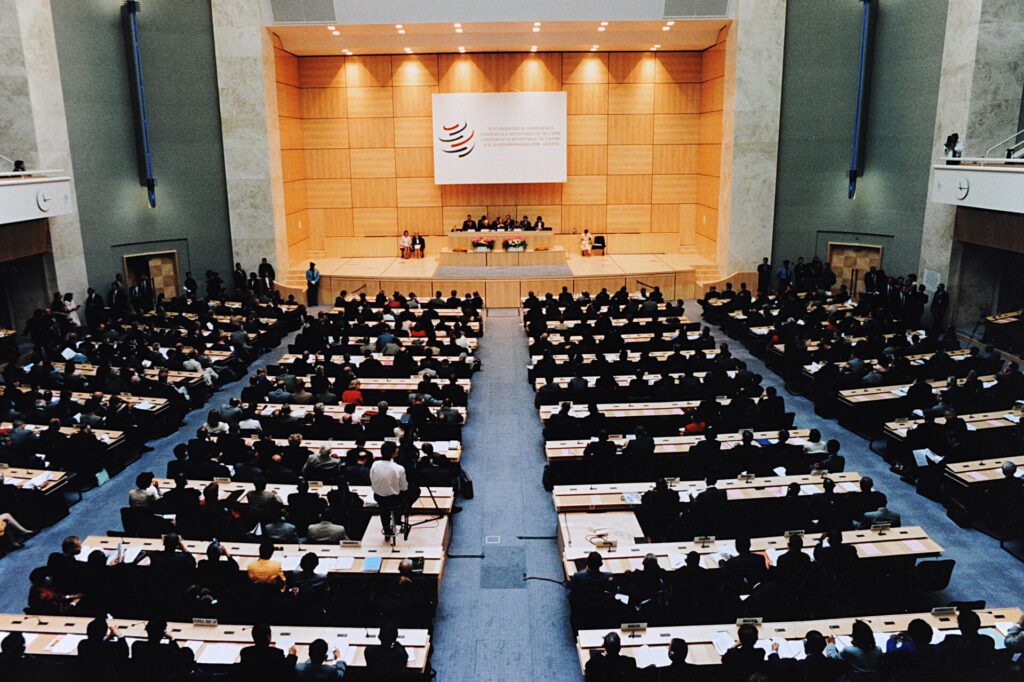
Existing institutions retain unparalleled authority and legitimacy. The United Nations, the World Trade Organization, and the World Health Organization are still central to global governance. The International Atomic Energy Agency has proven that international monitoring can verify compliance in highly sensitive areas.
Recent developments offer some optimism. The World Health Organization adopted a Pandemic Agreement last year to improve global health readiness. The UN General Assembly adopted the BBNJ Agreement to protect biodiversity on the high seas. The UN Security Council has acknowledged the security challenges posed by AI, with most governments and developers calling for stronger global oversight.
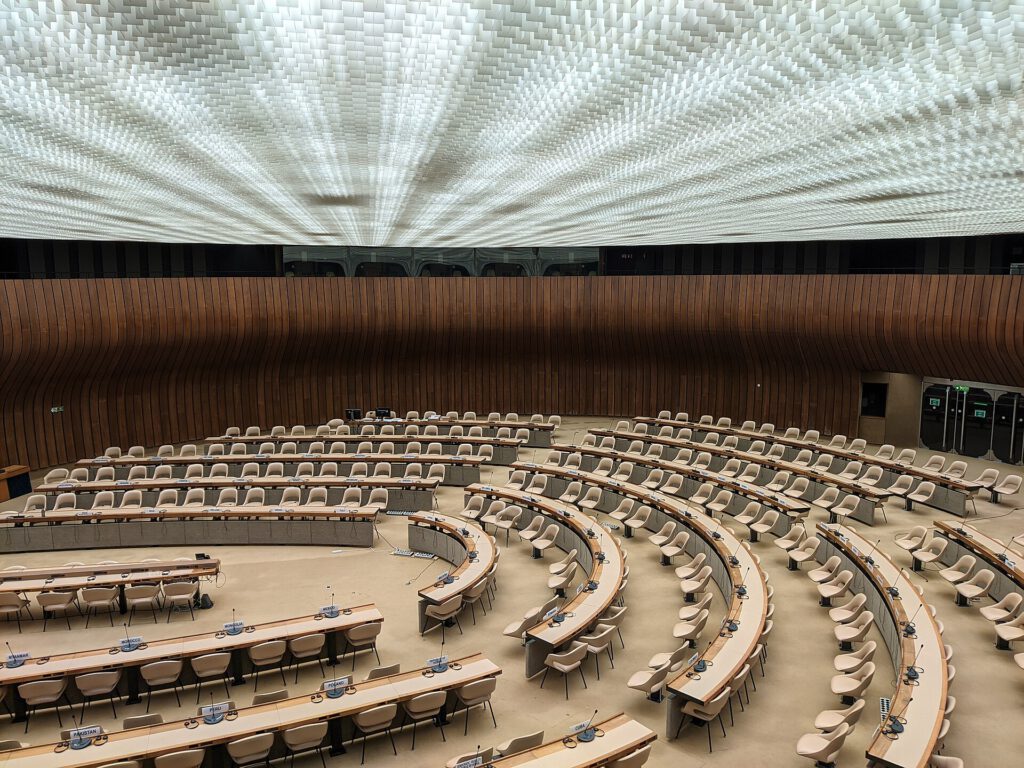
Norway has made international law a core national security interest. The country is investing in UN reform and building cross-regional coalitions. In September, Norwegian Prime Minister Jonas Gahr Store and Finnish President Alexander Stubb launched a joint Call for Action to establish global oversight of advanced AI models. This initiative has gained support from countries worldwide.
The defining challenge of this era is coupling multipolarity with multilateralism. Building effective institutions when no one is in charge is difficult. Previous generations united around shared legal principles after catastrophic wars. The question remains whether states can muster the resolve to act before another global crisis forces their hand.
Source: Al Jazeera
