


Scientists have identified a surprising mechanism that helps glioblastoma cells invade healthy brain tissue. The fluid surrounding the outer edges of these tumors is significantly thicker than the fluid near the center. This high viscosity forces cancer cells to encounter increasing resistance as they move outward. Rather than slowing their progress, this environment appears to help the cells adapt in ways that make invasion easier.
Open Microfluidic Platform Reveals Cell Adaptation
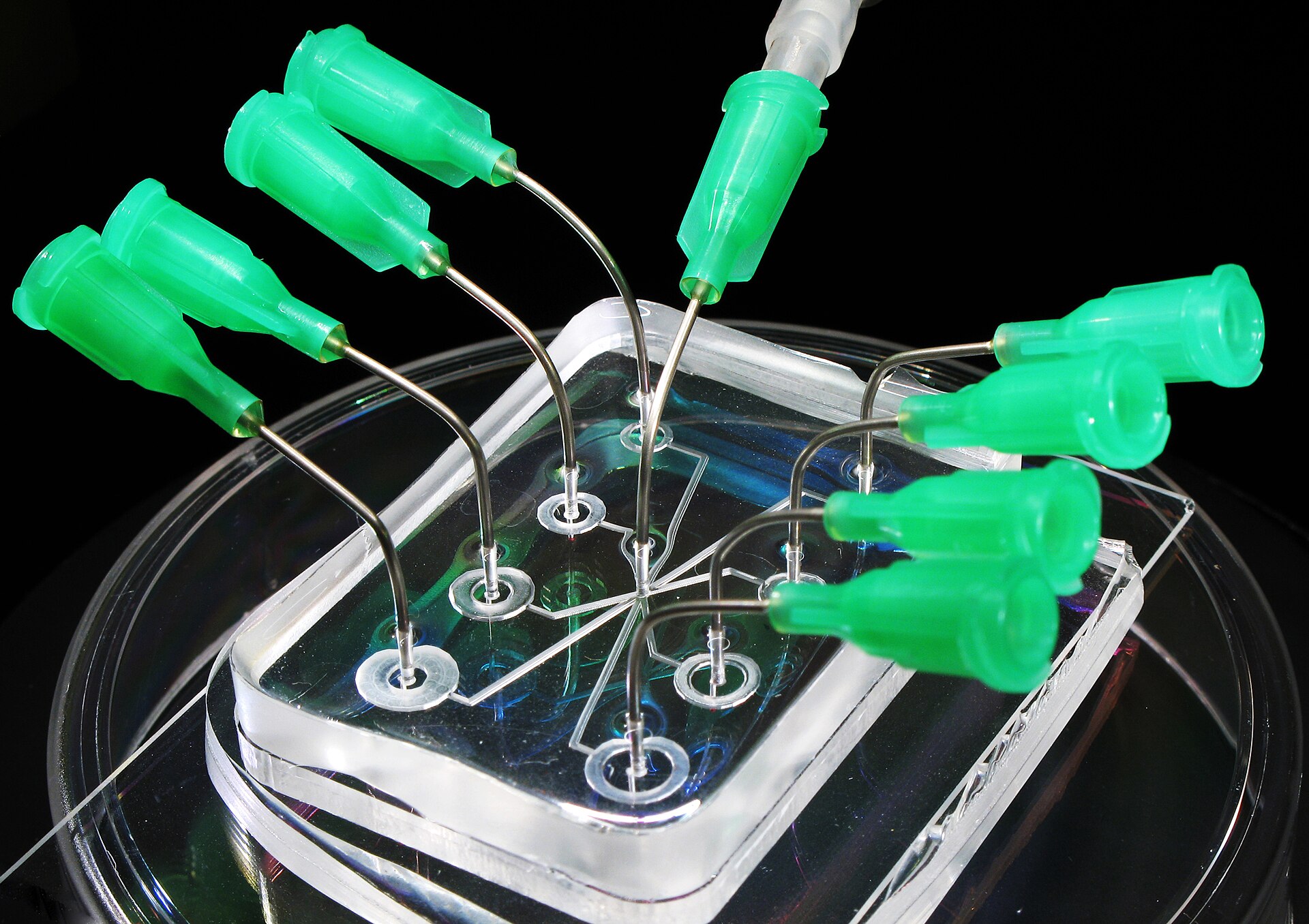
Researchers from Chongqing General Hospital and Chongqing University in China developed a specialized open microfluidic platform to study this phenomenon. Traditional closed microfluidic devices often limit access to oxygen and nutrients, while friction against channel walls introduces additional forces that complicate observations. The new device consists of a two-layer open microfluidic membrane equipped with a removable cap and an array of tiny pillars. This design allows for continuous cell culture for up to one month and precise control over when cancer cells begin migrating.
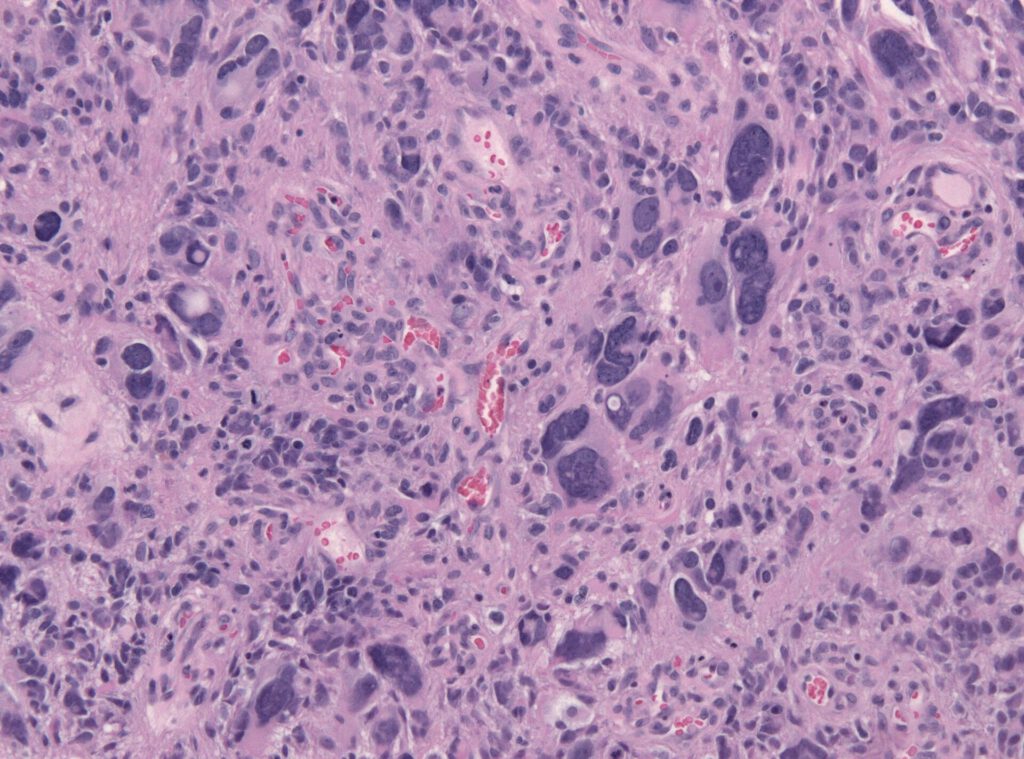
The team tested two human glioblastoma cell lines, U-251 and LN-229. Both were grown for a month in a thick fluid with a viscosity of 7.1 centipoise, designed to reproduce conditions at the tumor’s invasive outer edge. When examined on the chip, the adapted cells traveled faster and covered greater distances than untreated control cells. Microscopic observations revealed that these cells had become smaller and more flexible, allowing them to squeeze through narrow gaps between the device’s microscopic pillars.
Mechanical Memory and Molecular Changes
As the cells squeezed through restricted passages, their nuclei underwent visible deformation. Researchers also observed an accumulation of YAP, a protein involved in sensing mechanical forces, inside the nuclei. This is a recognized sign that cells have activated pathways involved in responding to physical stress. Further analysis using Western blotting showed that protein changes remained detectable even after cells were transferred back into fluid with normal viscosity. This indicates that at least some of the adaptations were persistent rather than short-lived responses to their surroundings.
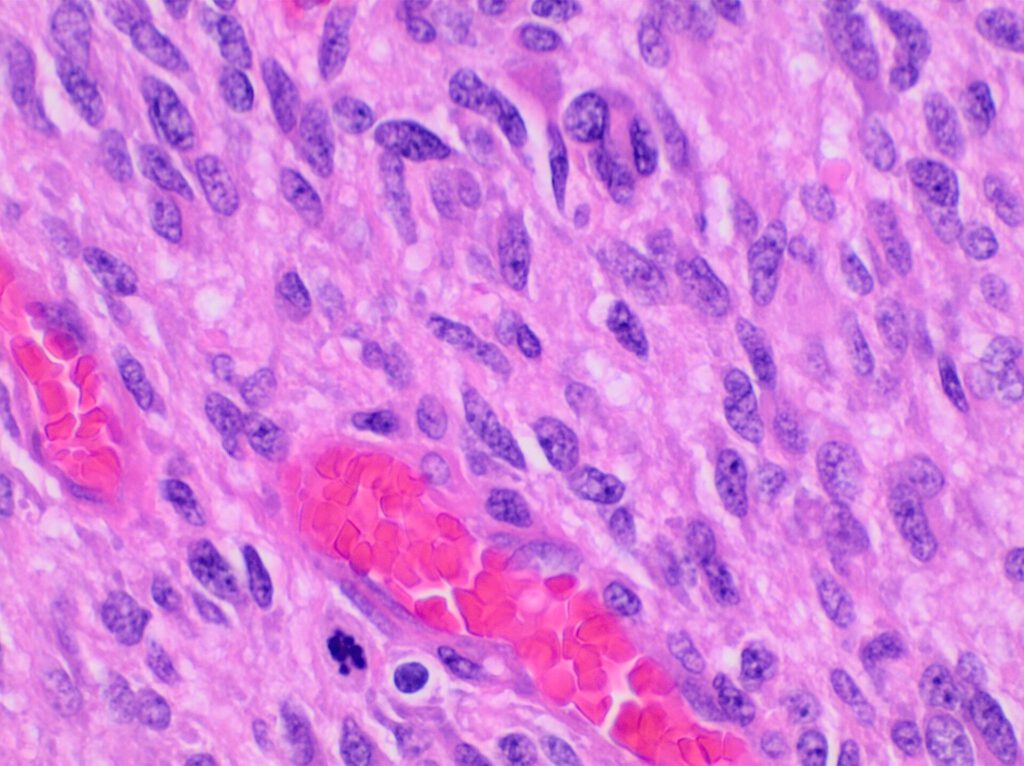
The study highlights a form of mechanical memory, in which cells retain changes produced by earlier physical stress. Although both glioblastoma cell lines developed similar changes in shape and movement, their underlying molecular responses were different. U-251 cells underwent a form of mesenchymal-like reprogramming, activating genes associated with cancer invasion, including CD44, FN1, and MMP9. LN-229 cells, by contrast, became more flexible and mobile without showing substantial lasting changes in gene expression.
This discovery suggests that glioblastoma cells may acquire comparable invasive characteristics through different underlying biological processes. The open design of the new chip was essential for identifying this effect by separating resistance from the fluid itself from the confinement imposed by channel walls. The technology fits into standard multi-well plates, allowing it to be incorporated into existing laboratory procedures for cell culture and imaging.
Source: ScienceDaily
