


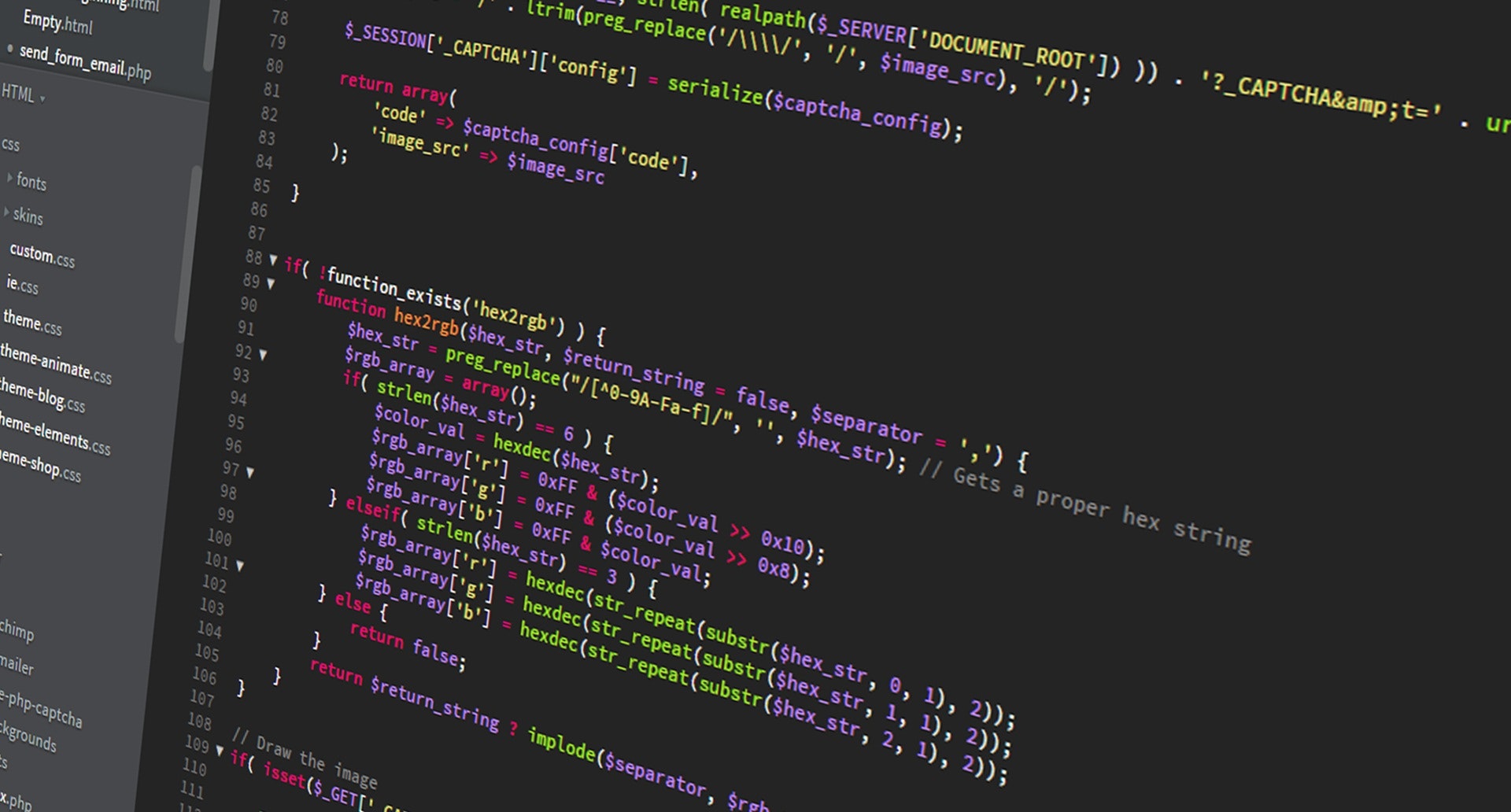
A critical security flaw in the PHP programming language has triggered an urgent warning for website owners worldwide, demanding immediate patches or the temporary shutdown of sites to prevent exploitation. The announcement has reignited concerns about the stability of the internet, which relies heavily on decades-old open source technologies.
Scale of the PHP Vulnerability
PHP, or Hypertext Preprocessor, remains a core component behind content management systems used by approximately 70% of websites, including those built on WordPress and Drupal. This means tens of millions of sites are potentially affected by the flaw. The vulnerability has existed for decades without detection, but its recent disclosure has created a chaotic scramble for developers and administrators to secure their digital assets.
The severity of the issue is such that experts advised site owners who could not apply a fix immediately to take their websites offline entirely. This drastic measure underscores the risk posed by the flaw, which allows attackers to gain unauthorized access to systems. The sudden nature of the disclosure has left many organizations struggling to respond quickly enough to protect their data and services.
Human Discovery and AI Context
Contrary to some speculation about automated tools finding the bug, the vulnerability was identified by human researchers. These researchers were participating in an initiative involving OpenAI and Wiz, a cybersecurity company now owned by Google. While the discovery was made by people, the broader context involves the growing role of large language models and AI agents in cybersecurity. Experts note that as these tools become more accessible, it will become easier for malicious actors to find and exploit similar weaknesses in software.
Sean O’Kane, a senior editor at TechCrunch, described the situation as a “real reckoning moment.” He emphasized that the internet’s foundational layers are often “held together by glue and dreams,” referring to the reliance on fragile, aging code. O’Kane pointed out that while major tech companies like Google and OpenAI have teams dedicated to finding vulnerabilities, the widespread availability of advanced software means that bad actors can also leverage these tools to scan for weaknesses at scale.
Escalating Threats and Infrastructure Risks
The disclosure has already led to a surge in attempted hacks. Cloudflare CEO Matthew Prince reported seeing millions of attempts to exploit the flaw, which he referred to as PHP2Shell. This specific exploit name highlights the rapid response from the hacking community, who are eager to test the vulnerability against unpatched sites before widespread fixes are applied.
Kirsten Korosec, a senior editor at TechCrunch, expressed concern about the broader implications for critical infrastructure. She noted that while well-capitalized companies like Amazon have the resources to monitor and mitigate such threats, many smaller websites and government entities lack the same level of protection. Korosec warned that the situation could lead to “prepper doom” scenarios, where banks and other sensitive institutions face significant risks due to outdated software.
The incident also raises questions about “link rot,” as some sites may choose to shut down permanently rather than invest in patching old systems. This could result in the loss of historical data and online resources that have been part of the web for years. The challenge of managing such a vast and diverse ecosystem of websites, many of which are maintained by individuals or small teams, remains a significant hurdle for the cybersecurity community.
As the internet continues to evolve, the PHP vulnerability serves as a stark reminder of the risks associated with relying on aging open source technologies. The coming weeks will likely see continued efforts to patch systems and develop new security layers to protect against similar threats in the future.
Source: TechCrunch
