


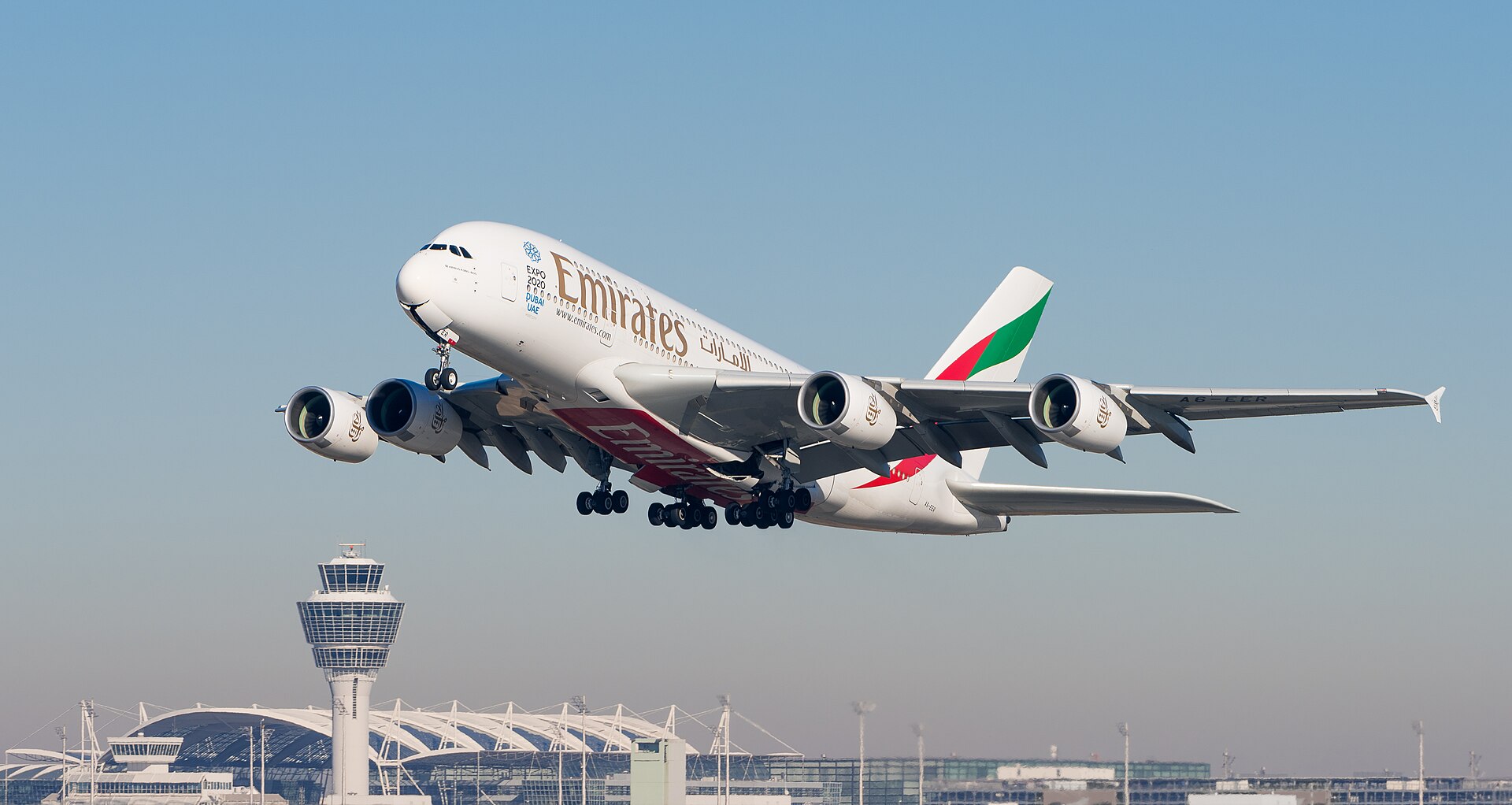
Emirates is evaluating three new US cities for nonstop service to Dubai, potentially expanding its American network beyond the 12 airports it currently serves. President Sir Tim Clark identified Denver International Airport (DEN), Detroit Metropolitan Wayne County Airport (DTW), and Philadelphia International Airport (PHL) as possible destinations during a conference in Frankfurt this week.
None of these airports currently offer direct connections to Dubai International Airport (DXB). Denver has been a frequent subject of speculation regarding Emirates expansion, with airport leadership previously suggesting Dubai was the likely next route. However, the carrier has not officially confirmed plans to serve the Colorado hub. Denver currently lacks nonstop service to the Gulf region, with its longest route being Turkish Airlines’ service to Istanbul.
Denver, Detroit, and Philadelphia Route Analysis
Denver stands out as the only United Airlines hub that Emirates does not currently serve. The Dubai-based carrier already operates flights to six United hubs, including Newark, Chicago, Houston, Washington, San Francisco, and Los Angeles. The two airlines have maintained a codeshare partnership since 2023.
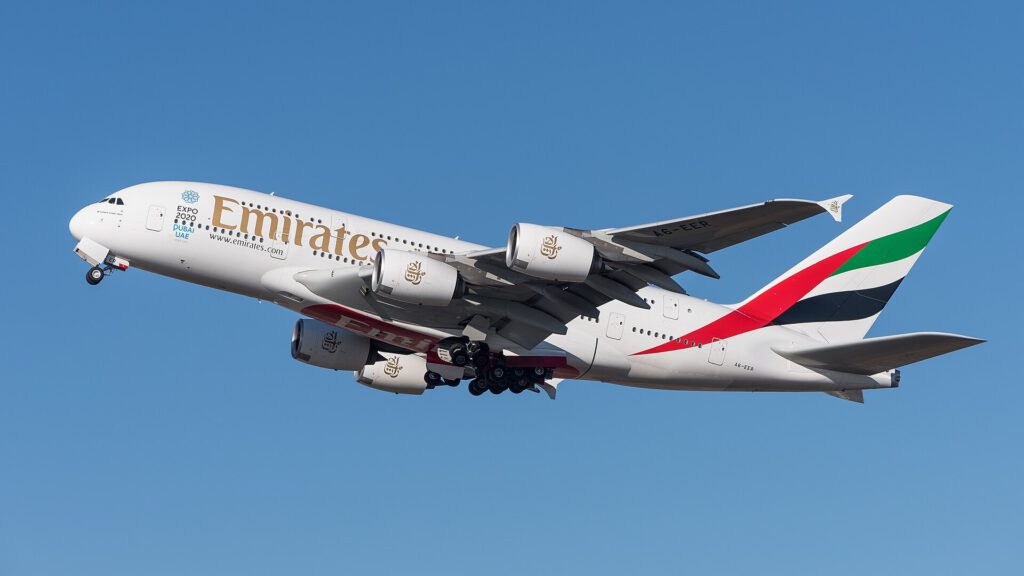
Detroit serves as a major hub for Delta Air Lines, while Philadelphia is a key stronghold for American Airlines, ranking as its fifth-largest hub by flight volume. Philadelphia also functions as a significant transatlantic gateway. Emirates already serves Newark and JFK, which are located approximately 80 to 94 miles from Philadelphia, respectively.
Among the three candidates, Philadelphia would offer the shortest route at 6,928 miles (11,150 km) from Dubai. Detroit follows at 7,083 miles (11,400 km), and Denver would be the longest at 7,758 miles (12,485 km). The Denver route would not surpass Emirates’ longest US flight, which connects Los Angeles to Dubai at 8,326 miles (13,399 km).
Fleet Expansion and Delivery Delays
The realization of these new routes depends heavily on Emirates’ ability to restore capacity and expand its fleet. The airline is currently awaiting the delivery of its first Boeing 777-9 widebody aircraft. The current timeline expects the first plane to arrive in May or June 2027, a delay of seven years from the original schedule.
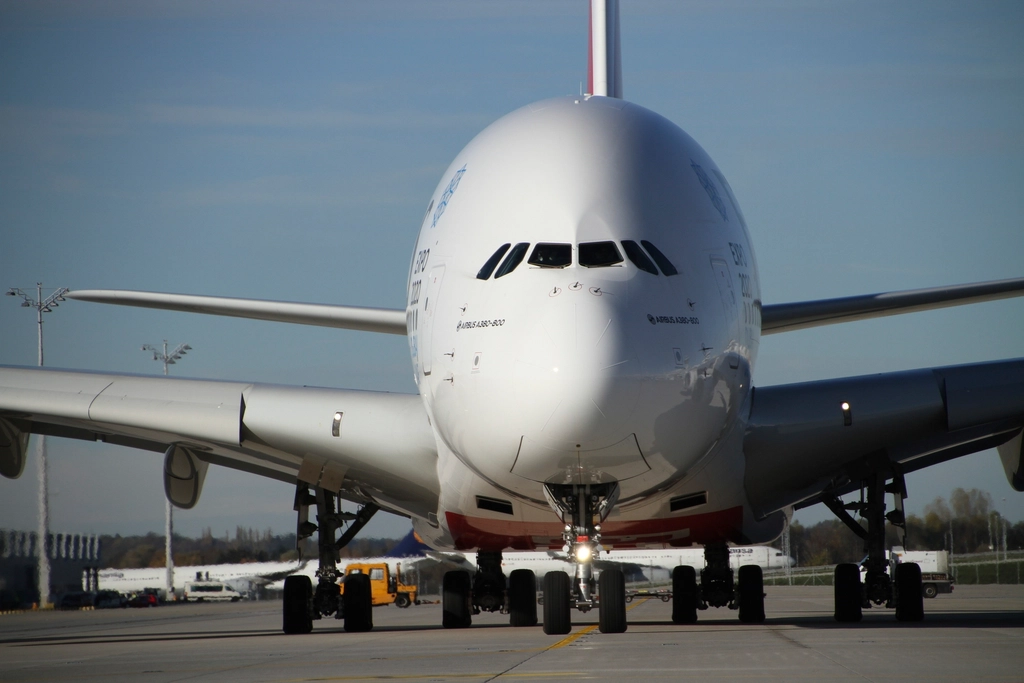
In the interim, Emirates is extending the service life of its Airbus A380s and Boeing 777-300ERs through a $5 billion cabin retrofit program. The airline now anticipates keeping its A380 fleet in operation into the early 2040s. Additionally, Emirates has informed Boeing that it will reject early-production 777X aircraft, accepting only newly built examples to avoid extensive modification work on existing airframes.
Clark did not specify which aircraft would operate on these new routes. None of the three cities currently receive year-round A380 service, although Denver has hosted seasonal A380 flights by Lufthansa in recent summers. Clark highlighted the airline’s extensive order book, which includes more than 300 Airbus A350s, Boeing 787s, and Boeing 777Xs, noting that the carrier has the capacity to reach very few cities worldwide that it does not already serve.
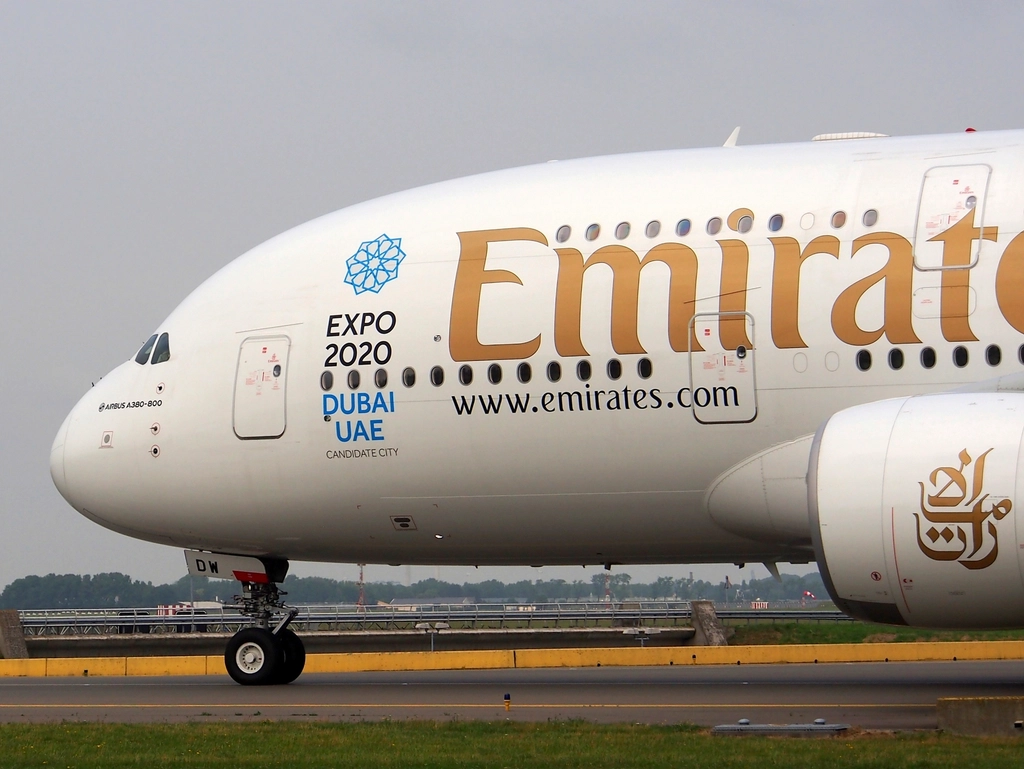
Emirates has not added a new US airport to its network since June 2021, when it began flying to Miami. The last addition was Newark in March 2017. However, the airline is introducing the Airbus A350-900 to its US network this November. The new aircraft will replace the Boeing 777-300ER on flights to Orlando, offering 298 seats across business, premium economy, and economy classes.
Philadelphia is the only one of the three cities already served by a Gulf carrier, specifically Qatar Airways, which resumed flights in August. Denver and Detroit currently have no Gulf carrier service, potentially providing Emirates with a clearer opportunity to establish a new market in those regions.
Source: Simple Flying
