


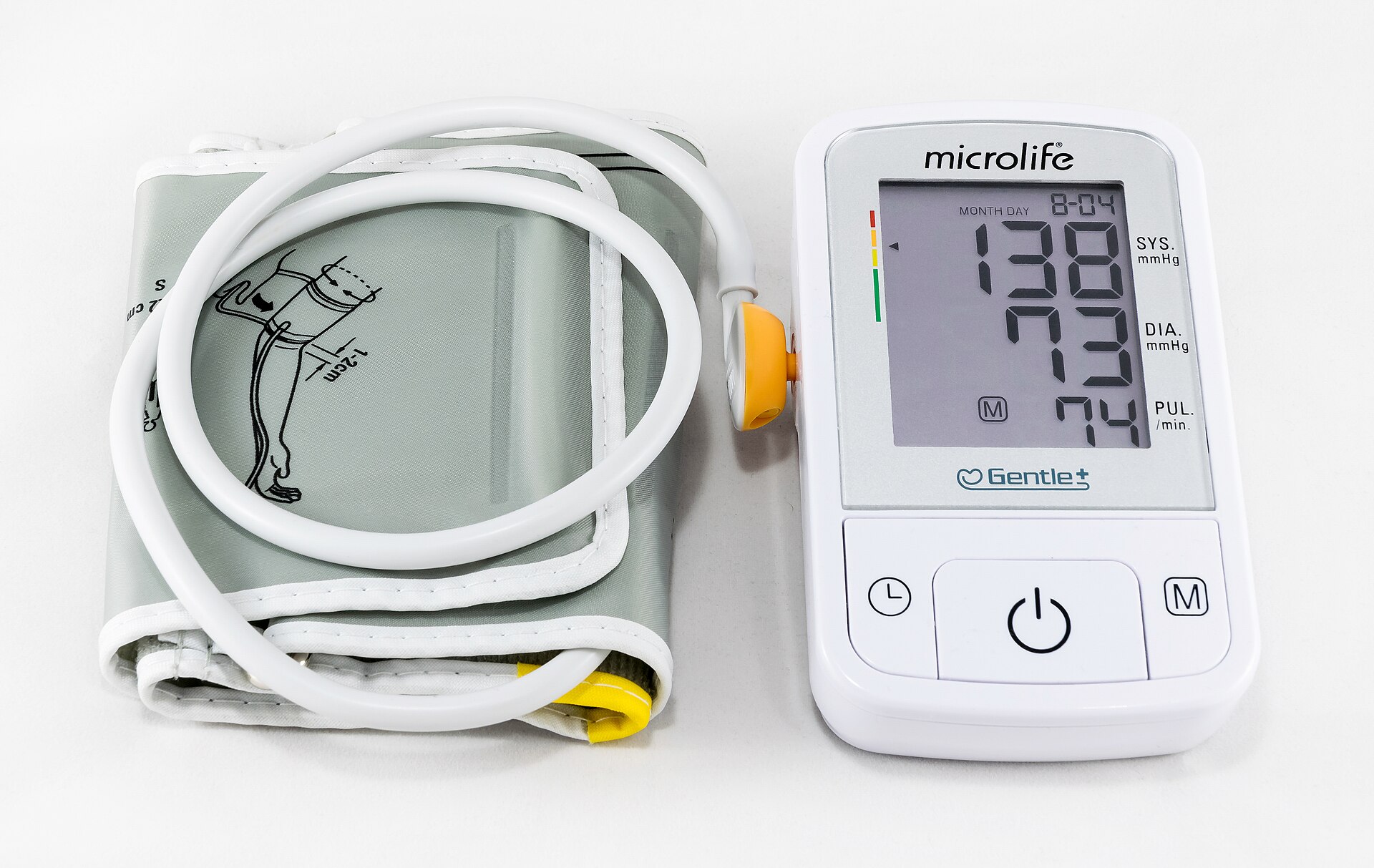
Skipping doses of blood pressure medication significantly reduces its ability to prevent heart attacks, strokes, and other serious cardiovascular problems, according to new findings presented at ESC Congress 2026. The data reveals that patients who fail to take their prescriptions consistently derive little to no protective benefit from the treatment.
Adherence Determines Treatment Success
High blood pressure, or hypertension, affects an estimated 1.4 billion adults globally between the ages of 30 and 79. While medications designed to lower blood pressure are proven to reduce the risk of cardiovascular complications, approximately half of patients do not take their prescriptions as directed. This gap between prescription and actual intake creates a major public health challenge.
Researchers analyzed individual patient data from 91,339 participants across nine clinical trials to determine the true impact of adherence on treatment benefits. The study divided participants into two groups based on how closely they followed their prescribed regimen. Those who took at least 80% of their assigned medication were classified as having higher adherence, while those who took less than 80% were placed in the lower adherence group.
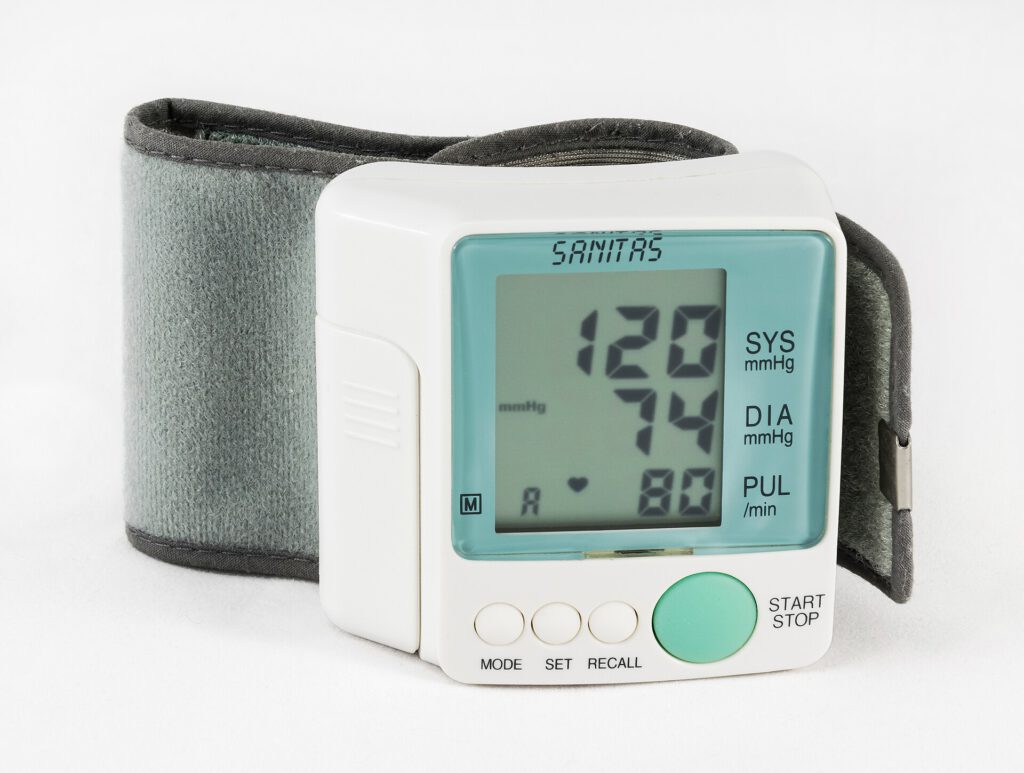
The analysis showed a clear correlation between consistency and health outcomes. Among participants with higher adherence, systolic blood pressure, the top number in a blood pressure reading, was 5.2 mmHg lower in the intervention group compared to the comparator group. For those with lower adherence, the difference was considerably smaller at just 3.0 mmHg.
Miss Qianqian Yang from the University of Oxford, UK, who presented the findings, noted that previous data on this topic came from observational studies that could be influenced by other factors. By using randomized trial data, the researchers were able to isolate the effect of medication adherence more accurately.
Cardiovascular Protection Vanishes with Missed Doses
The study examined whether the differences in blood pressure control translated into actual protection against major cardiovascular problems. The outcomes tracked included strokes, heart attacks, ischemic heart disease, and heart failure that resulted in hospitalization or death.
The results highlighted a stark contrast between the two groups. Patients who consistently followed their treatment plans experienced an 11% lower incidence of major cardiovascular events compared to the comparator group. However, among patients with lower adherence, there was no statistically significant reduction in these events.
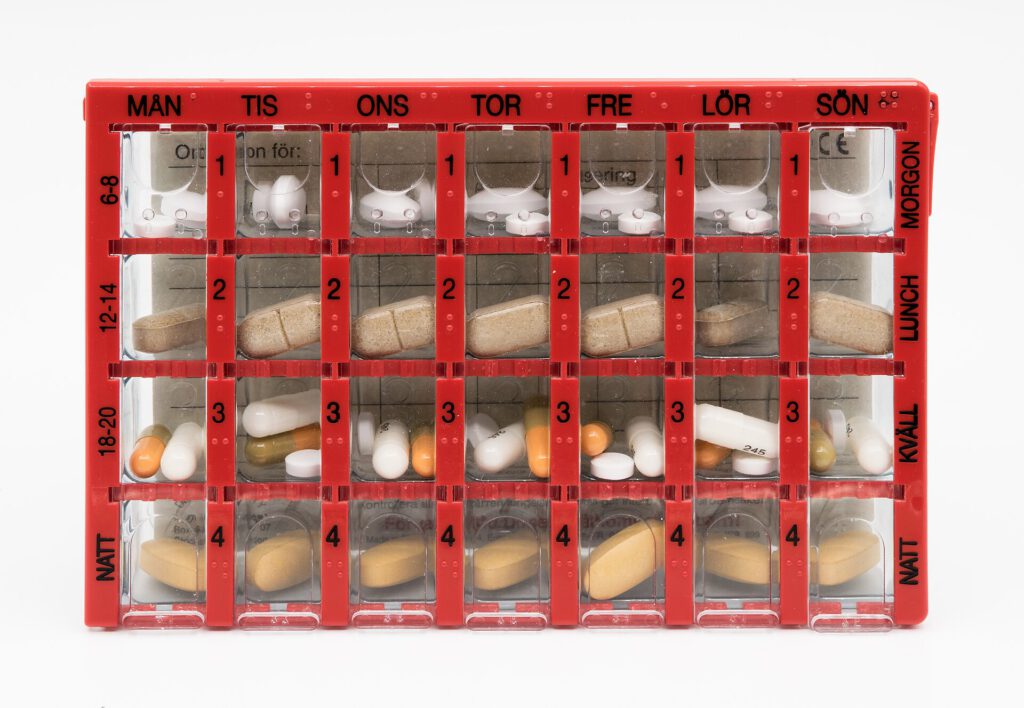
“Notably, our results reinforce the saying that ‘drugs don’t work in patients who don’t take them,'” Yang said. “Patients with lower adherence derived little or no cardiovascular benefit, whereas those with higher adherence had greater reductions in blood pressure and prevention of cardiovascular events.”
A decline in adherence over time was apparent even within the structured environment of clinical trials. Overall, 88% of participants met the higher adherence threshold during the first year, but that figure dropped to just 79% by the fifth year. This suggests that maintaining long-term consistency is difficult for many patients, regardless of the support system in place.
Strategies to Improve Hypertension Management
The researchers argue that helping people take their medication consistently must become a greater priority in the treatment of high blood pressure. They recommend more routine assessments of medication adherence, along with better patient education and practical strategies to make treatment easier to follow.
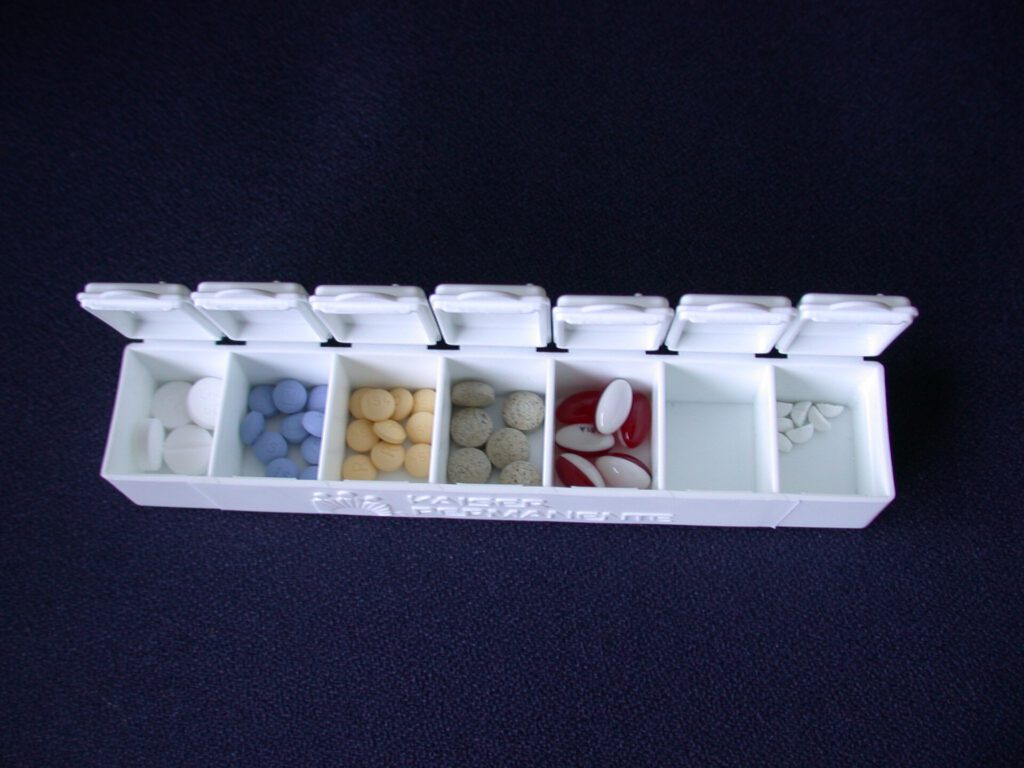
Possible approaches to improve adherence include simplifying medication schedules, combining multiple treatments into a single pill, and prescribing longer-acting drugs. These longer-acting options can help limit the consequences of an occasional missed dose, providing a buffer for patients who struggle with daily routine.
Professor Felix Mahfoud, Chair of the ESC Communication Committee, emphasized that missed medication has received too little attention as a contributor to poorly controlled blood pressure. He stated that assessment of adherence should become a routine part of hypertension care so patients do not miss out on life-saving benefits.
“As healthcare providers, we are here to have open, non-judgmental conversations with our patients about any barriers they may have to taking medication, to help improve adherence,” Mahfoud said. The goal is to identify specific obstacles, whether they are financial, logistical, or related to side effects, and address them directly to ensure patients receive the full protective benefits of their prescribed therapy.
Source: ScienceDaily
