


A growing number of videos on TikTok and Instagram are promoting the idea that low ferritin levels leave distinct marks on the face. The phrase “ferritin face” has spread widely, with content creators pointing to dark circles, washed-out skin, and brittle hair as evidence of depleted iron stores. These posts often include before-and-after photographs to illustrate the supposed visual differences.
Lucy M, a 32-year-old content creator who posts about hair loss under the handle @marvluceskin, says the term resonated with her personal experience. In 2021, she developed heart palpitations, fatigue, and hair loss. After an initial diagnosis of generalised anxiety disorder, a later blood test revealed her ferritin was just 12 micrograms per litre. She described her skin as looking “grey” and her hair as dull and brittle, noting a “night and day” difference in how she felt and looked after her levels recovered.
Medical Experts Reject Visual Diagnosis
Despite the viral popularity of the concept, medical professionals emphasize that appearance alone cannot confirm iron deficiency. Dr Aziza Sesay, a GP based in the West Midlands, stated that “ferritin face is not a medical diagnosis.” She noted that while pale skin, hair shedding, or brittle nails can accompany low iron, these symptoms are also signs of many other conditions.
Dr Drew Provan, a consultant haematologist, called it “impossible” to determine someone’s ferritin levels simply by looking at their face. He explained that while people with significant anaemia may look pale, and fatigue can contribute to dark circles, these visual signs are “subjective and unreliable.” Dr Sue Pavord, another consultant haematologist, added that in people with darker skin, changes in skin colour may be less obvious, meaning those looking for these specific signs could miss an underlying deficiency.
Ferritin is a protein that stores iron in the body, while haemoglobin is the protein in red blood cells that carries oxygen. When haemoglobin is low, the blood cannot carry as much oxygen, a condition known as anaemia. However, iron stores can become depleted before haemoglobin drops, meaning a person can be iron-deficient and have symptoms without being anaemic. “You’ve got no stored iron but you’re maintaining your haemoglobin. That’s the big disconnect,” Dr Provan said.
Diagnosis and Treatment Guidelines
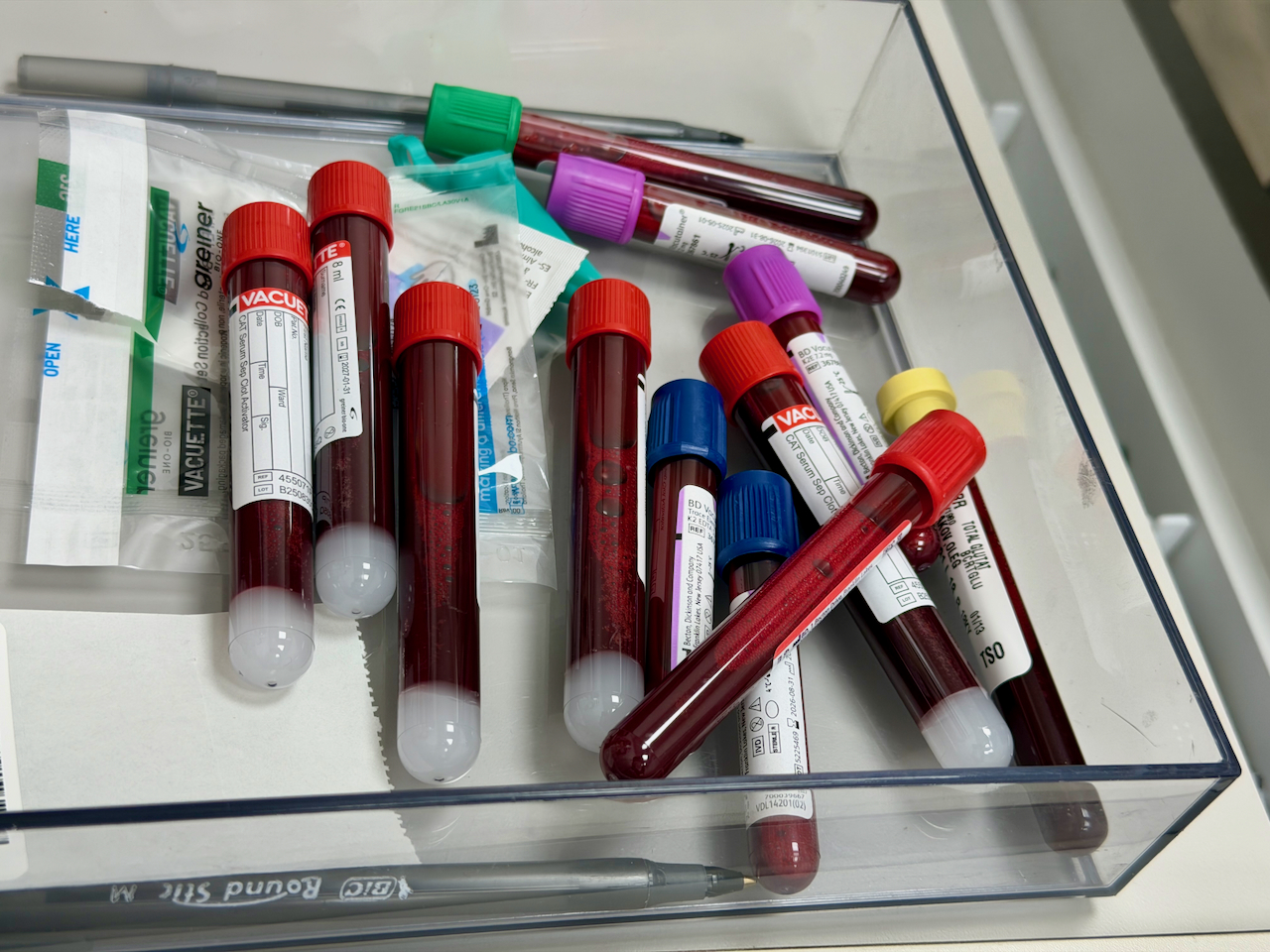
UK guidelines from the British Society of Gastroenterology state that ferritin below 15 micrograms per litre indicates absent iron stores, while levels below 30 generally indicate low iron stores. Doctors stress that blood tests are essential not only to confirm iron deficiency but also to establish the cause. Potential causes include heavy periods, low dietary iron, gastrointestinal blood loss, or problems absorbing iron through the gut.
Iron deficiency is commonly treated with oral iron supplements. Dr Pavord advised that iron tablets are best taken on an empty stomach, ideally first thing in the morning. She also recommended avoiding tea or coffee around the time of taking supplements, as they can inhibit iron absorption. Natural sources of iron include meat, beans, lentils, leafy green vegetables, and fortified cereals.
Experts warn that taking iron supplements without a diagnosis can be harmful and self-treating could delay the investigation of an underlying problem. Dr Sesay described social media as a “double-edged sword.” While it can encourage people to seek help, it can also lead them to incorrectly diagnose themselves from a short video. For Lucy, the value of the trend lies not in self-diagnosis, but in empowering women to take their symptoms seriously and ask questions when something feels wrong.
Source: BBC
