



Samsung Electronics subsidiary HARMAN is marking three significant anniversaries in 2026: the 80th year of JBL, the 60th year of Bowers & Wilkins, and a decade-long partnership between Samsung and HARMAN. The company is using these milestones to outline its strategy for integrating artificial intelligence into consumer audio and automotive experiences.
JBL and Bowers & Wilkins Milestones
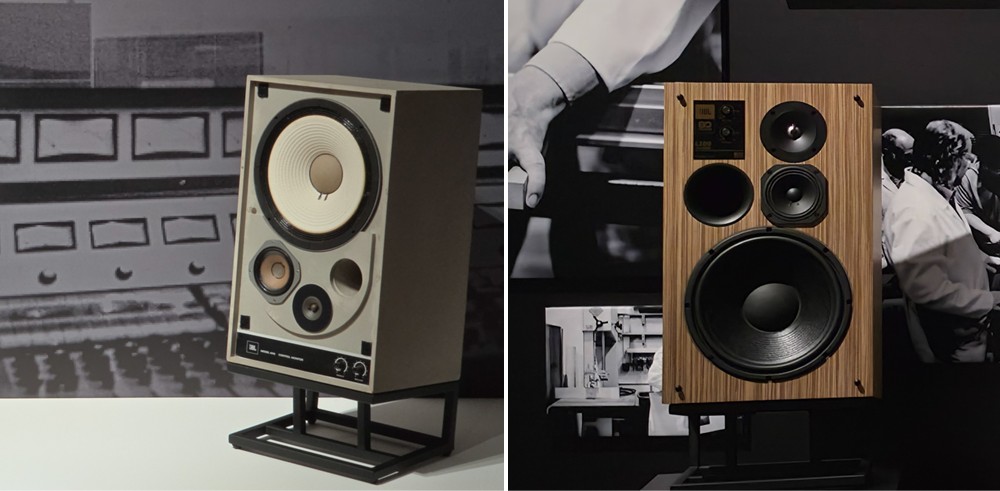
JBL has expanded from professional studio monitors to a wide range of consumer products, including portable speakers, headphones, and in-car audio systems. The brand traces its lineage from the 4310 studio monitor to the L100 home loudspeaker, which became its best-selling model by bringing professional audio quality to domestic settings.

Bowers & Wilkins has maintained a focus on acoustic precision. Its 801 loudspeaker served as a reference monitor at Abbey Road Studios, reflecting a commitment to reproducing original performances without compromise. The company’s Nautilus loudspeaker resulted from five years of research into cabinet vibration, leading to a unique tapered-tube design that absorbs unwanted sound.
Dave Rogers, President of the Lifestyle Division at HARMAN, stated that the core value for both brands is an obsession with quality. He emphasized that while products change, the goal remains to evoke emotion and create memories through sound.
AI and Connected Experiences
Armin Prommersberger, Chief Technology Officer at HARMAN, described a future where technology adapts to user context rather than requiring manual adjustment. He argued that the next breakthrough in audio will be defined by devices that understand user needs and reduce the need for active management.

This vision includes a seamless flow between home and automotive environments. A user’s preferences and audio settings could transfer automatically from a Galaxy device to a car, with the cabin adjusting to the passengers inside. The goal is to create a connected day where users do not need to think about which app to open or which setting to change.
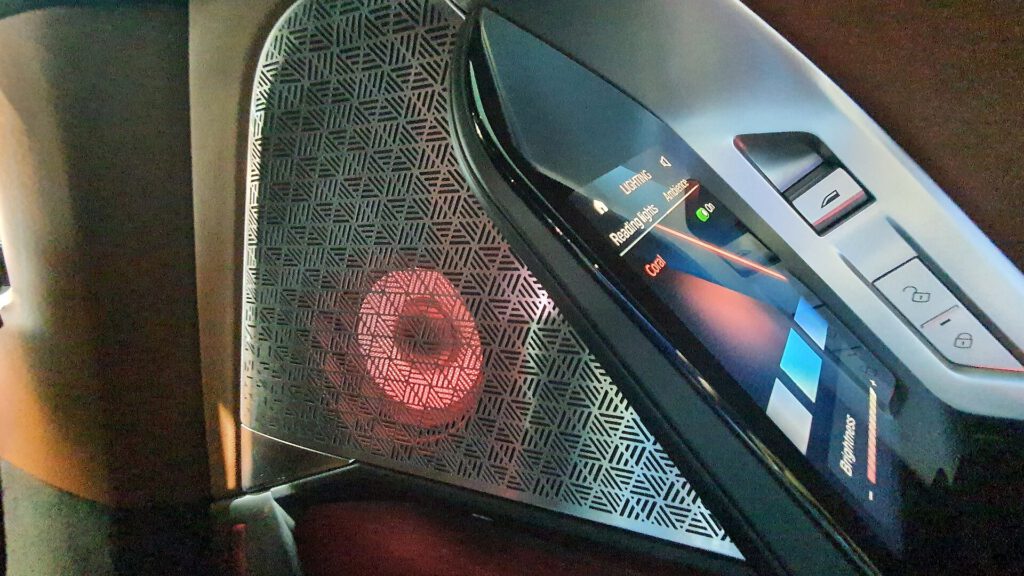
The Samsung-HARMAN partnership began by integrating HARMAN’s AKG audio technology into Samsung Galaxy devices. It later expanded to the Automotive Digital Cockpit, combining Samsung’s display capabilities with HARMAN’s in-cabin expertise. Rogers noted that the partnership has taught HARMAN to think bigger and faster, leveraging Samsung’s ability to scale technology globally.
As the industry moves toward intelligent audio, the focus is shifting from hardware specifications to the human experience. Rogers said that while technology changes quickly, human emotion remains constant, and the opportunity lies in connecting the two.
Source: Samsung
