


Enrollment in the Supplemental Nutrition Assistance Program (Snap) has fallen sharply over the past year, dropping from 41.6 million recipients in July 2025 to 36.5 million in June 2026. The 13% decline follows the implementation of stricter work requirements and administrative changes under the One Big Beautiful Act, according to data from the US Department of Agriculture.
Stricter Work Rules Drive Decline
The Trump administration expanded the age range for mandatory work requirements, affecting individuals aged 18 to 64 without dependents under 14. Previously, only those aged 18 to 54 without dependents under 18 were subject to these rules. The new policy requires eligible adults to work or volunteer for at least 20 hours weekly to maintain benefits.
Administration officials have framed the reduction in recipients as a success. Brooke Rollins, the US agriculture secretary, stated at a farming festival in Minnesota that moving 5 million people off food stamps is a significant achievement for those who value work.
However, critics argue the data does not reflect a surge in employment. Factcheck.org reports that the United States added 776,000 non-farm jobs between January 2025 and September 2026, a slower pace than the 2.6 million jobs added during the final 20 months of the previous administration. Sheril Kirshenbaum of the Food Bank Council of Michigan noted that there is no evidence of a sudden increase in available jobs to explain the drop in benefits.
Food Banks Face Empty Shelves
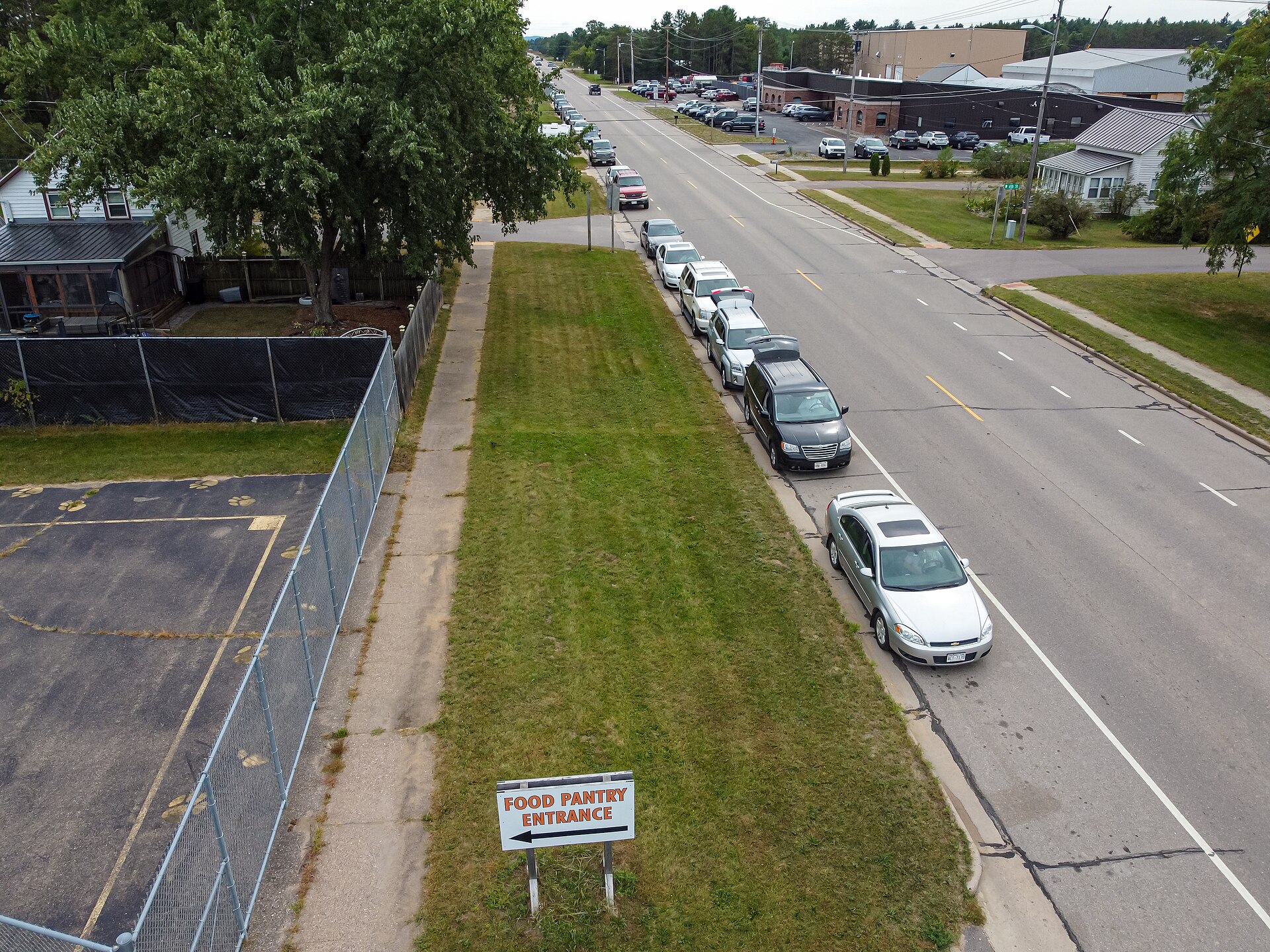
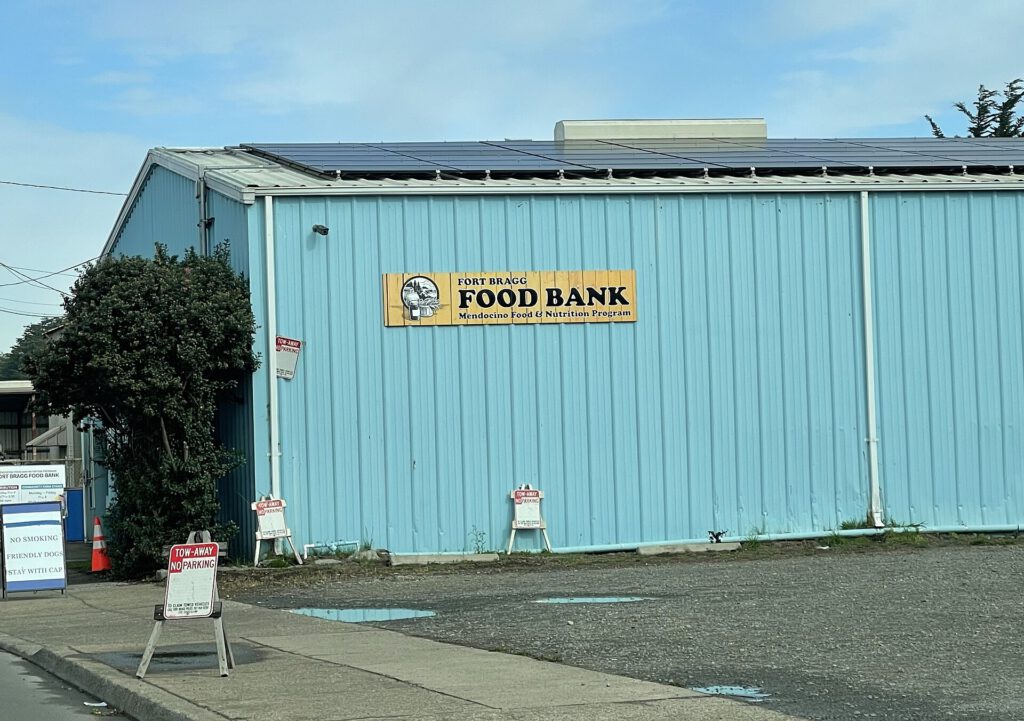
The reduction in federal assistance has placed immediate pressure on local food networks. The Food Bank Council of Michigan reported a threefold increase in daily calls to its helpline after the changes took effect, forcing a temporary suspension due to high volume. At Feed Louisville, executive director Rhona Kamar observed that surplus food is now distributed immediately each day, leaving shelves empty by evening.
“We have always had enough food around,” Kamar said. “But now what we are seeing is every day the shelves are empty at the end of the day, so every bit of food that comes into our kitchen every day goes right back out to the community at the end of the day.”
The impact varies by state. Arizona saw a 50% drop in enrollment between July 2025 and June 2026, while Kentucky experienced a 6% decrease. Kentucky Governor Andy Beshear wrote to the agriculture secretary expressing concern that the changes would lead to increased hunger among children and the elderly.
Schools and States Feel the Strain
The decline in Snap participation has also disrupted school meal programs. Schools rely on Snap enrollment to qualify for the Community Eligibility Provision, which allows them to provide free breakfast and lunch to all students. In the Houston Independent School District, 26 schools lost this eligibility, affecting thousands of students.
States are also facing higher administrative costs. The One Big Beautiful Act requires states to cover 75% of Snap administrative costs, up from 50%. Additionally, states with payment error rates above 6% may face new requirements to cover some benefit costs starting in October 2027. Joseph Llobrera of the Center on Budget and Policy Priorities warned that these financial pressures could lead to longer processing times for applicants.
A USDA spokesperson stated that the number of individuals receiving benefits is constantly changing and does not represent any single policy. The administration projects that the changes will reduce spending by approximately $187 billion over ten years.
Source: The Guardian
