


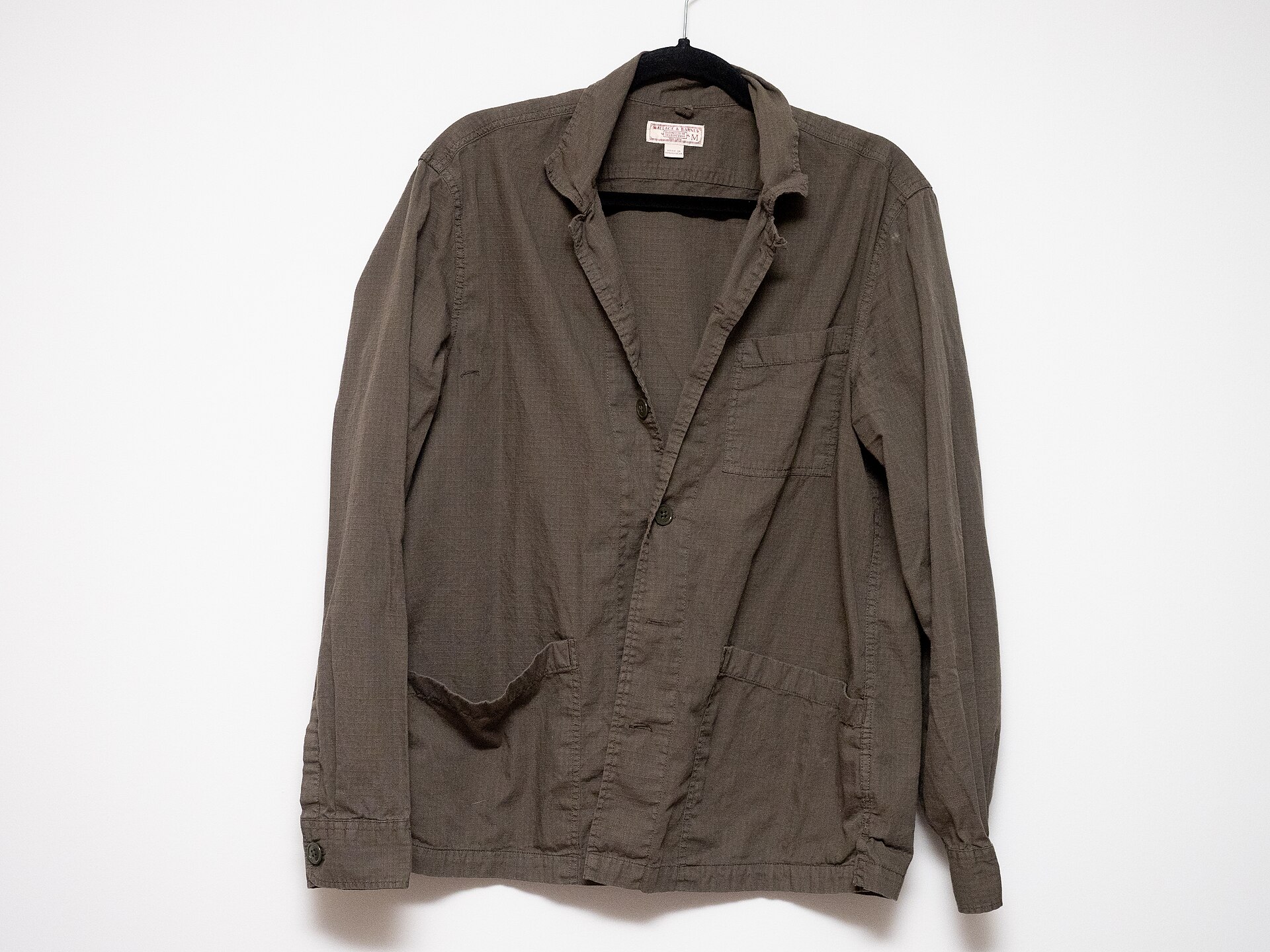
Clogs, chore jackets, straw hats, and woven baskets have become the defining look of the current season. This aesthetic, known as allotmentcore, is appearing in city centres rather than just garden centres. It sits somewhere between the linen-clad luxury of coastal grandmother style and the whimsical outdoorsiness of cottagecore. The trend is set to dominate autumn wardrobes across the United Kingdom and beyond.
The Rise of Garden Chic
Mal James, professor of fashion design at the University of Edinburgh, describes the style as a mix of Little House on the Prairie and The Good Life. He notes that the look combines elements of Monty Don with a modern twist. Pamela Anderson has emerged as an unexpected pioneer of this style, frequently seen in midi dresses and bandanas. Popular brands embracing the trend include Carrier Company from Norfolk, Danish designers Skall Studio, and Welsh label Toast.
Online fashion publication Who What Wear suggests that if an outfit looks ready for pruning shears, it has achieved the right look. The appeal lies in its accessibility. Even those without actual allotments are adopting the aesthetic. Jessica Stokes, a florist and writer in Wiltshire, states that she does not own a handbag, only baskets. Every piece in the vintage basket collection at Straw London is currently sold out, indicating high demand for these staples.
Practicality Meets Style
Stokes emphasizes that durability is key. She wears heavy cotton workwear jackets with generous pockets, frilled gingham shirts, and knitted tank tops. She insists that gardening is physical and messy, so clothes must earn their place. Practicality does not have to mean unattractive, she argues. For London-based gardener Mel Zulu, Blundstone steel toe-cap boots are preferable to clogs. She chooses denim and woven fabrics because they resist tearing during rose-pruning. She also prefers caps over straw hats to protect hair from branches and sun.
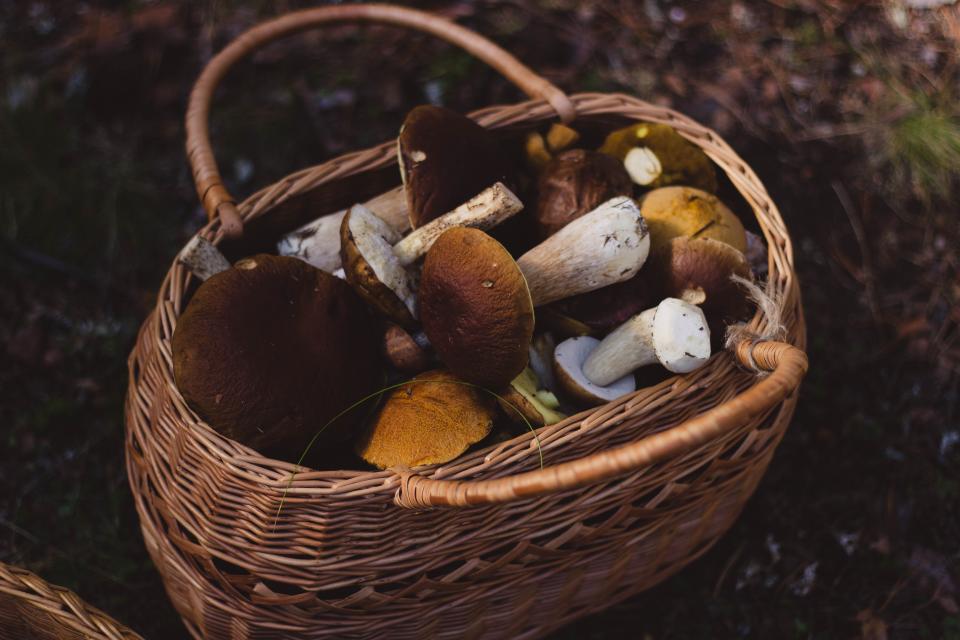
Errol Reuben Fernandes, head of horticulture at the Horniman Museum and Gardens, notes the shift toward utility. He highlights the value of slip-on garden clogs and waxed cotton tote bags. He argues that the style is purpose-led, with well-designed items like secateur holsters lasting for years. This focus on function aligns with the core principles of allotment gardening.
Social Media vs. Real Gardens
Despite the trend’s popularity, real-life allotments may not reflect the curated aesthetic. Molly Kampmann, who acquired a plot in Glasgow last June, says she does not follow the trend. She notes that style depends on the activity. One visitor was seen looking stylish while watering plants after lunch. Kampmann herself wears jeans, a sweater, and waterproof gear, which is essential in Glasgow weather. Her friend follows a similar practical approach.
James is skeptical about the trend’s longevity. He has not seen anyone actually garden in the full allotmentcore outfit. He attributes the trend to a desire to appear in harmony with nature. The style taps into ongoing interest in sustainability. Caring for a garden and growing vegetables has become cool. James describes the aesthetic as safe and homey, but potentially unthreatening. He sees it as a quick snooze among the tall grasses, serving as background noise to fashion’s party-core. The trend sits on the proverbial garden fence, balancing between genuine utility and social media performance.
Source: The Guardian
