


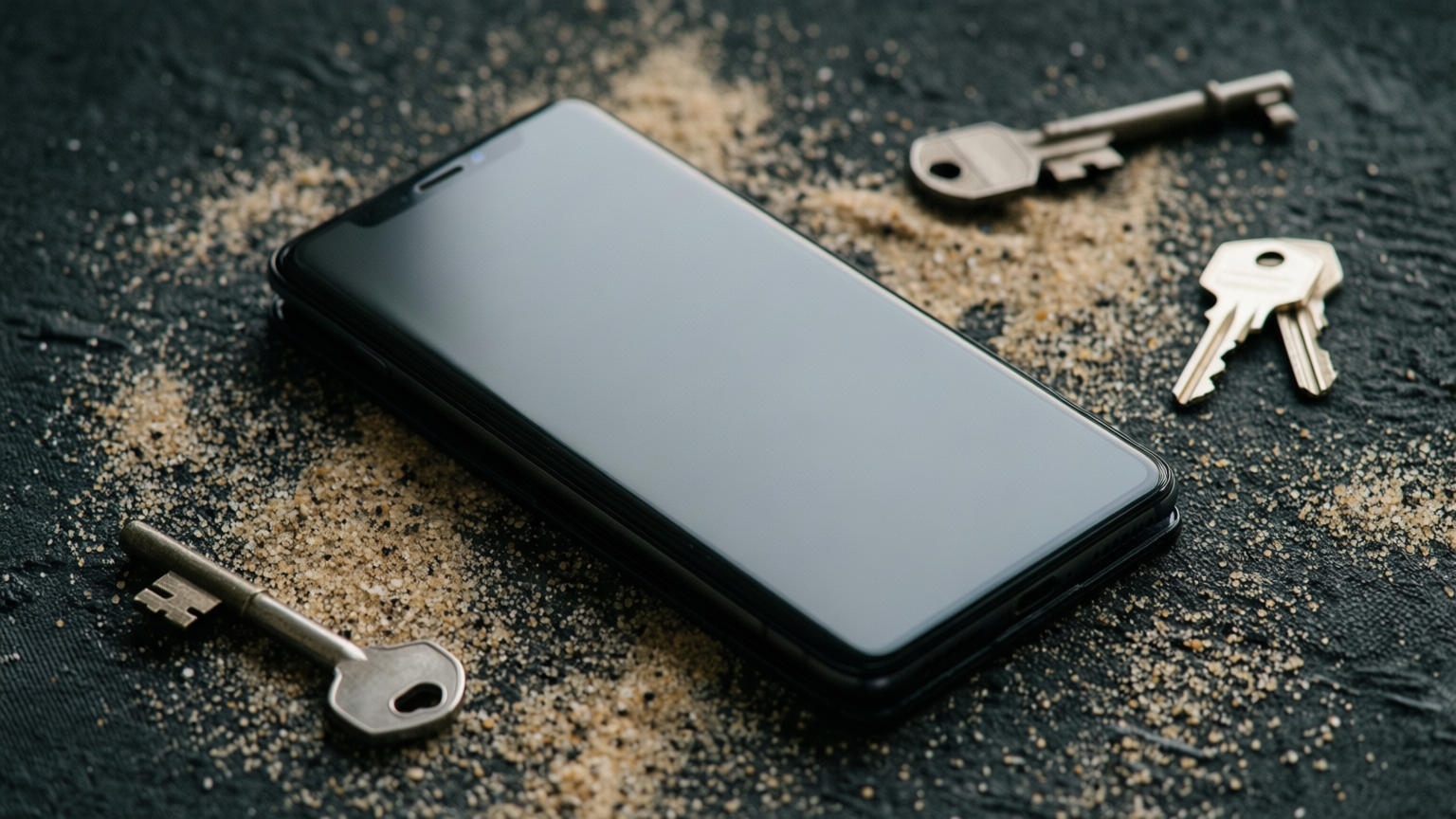
YouTube tech reviewer JerryRigEverything has subjected the new iPhone Duo to a comprehensive destruction test, revealing significant vulnerabilities in the device’s durability. The test highlights that while the matte display effectively hides scratches when powered on, the screen is surprisingly soft and prone to damage from everyday objects.
Display Hardness and Scratch Vulnerability
The most immediate finding from the test concerns the screen’s resistance to abrasion. The inner display begins showing visible scratches at just level 2 on the Mohs hardness scale. This low rating means that common items like keys and coins can leave marks on the surface. Even a fingernail is capable of creating visible grooves in the glass.
Despite these physical imperfections, the design includes a nano-texture layer that serves a functional purpose. When the screen is active, the matte finish scatters light in a way that makes scratches and the central crease nearly invisible. The reviewer compared this effect to using satin or eggshell paint in construction, where non-glossy finishes mask surface flaws effectively. However, this benefit disappears when the device is turned off, at which point all scratches and grooves become clearly visible.
Hinge Mechanics and Environmental Limits
While Apple rates the iPhone Duo with an IP68 dust and waterproofing rating, the test suggests this protection has practical limits under extreme conditions. The reviewer found that pouring a large amount of sand into the device could trap particles within the hinge mechanism. This accumulation prevented the device from closing properly, demonstrating that the seal is not impervious to fine particulate matter in environments like beaches.
Further stress testing on the hinge revealed another risk. By applying excessive force to bend the hinge in the wrong direction, the reviewer damaged the screen in a manner similar to cracking issues reported in a small number of units. This indicates that while the hinge is robust under normal use, it remains susceptible to mechanical failure if subjected to abnormal torque.
Impact of Removing the Nano-Texture Layer
The test also involved the removal of the nano-texture layer, a process Apple explicitly warns against due to the risk of damaging the display beneath. The reviewer noted that removing the layer resulted in a much more reflective surface. While this change introduced significant glare, it also restored the vibrancy of the colors, making the display resemble a standard bright AMOLED screen. The trade-off involves accepting higher reflectivity and more visible scratches in exchange for sharper color reproduction.
The findings suggest that users should exercise caution when using the iPhone Duo in sandy environments or when carrying it alongside hard metals. The device’s durability is heavily reliant on its matte finish to conceal wear, and physical damage to the screen or hinge can occur more easily than the IP68 rating might imply.
Source: 9to5Mac
