


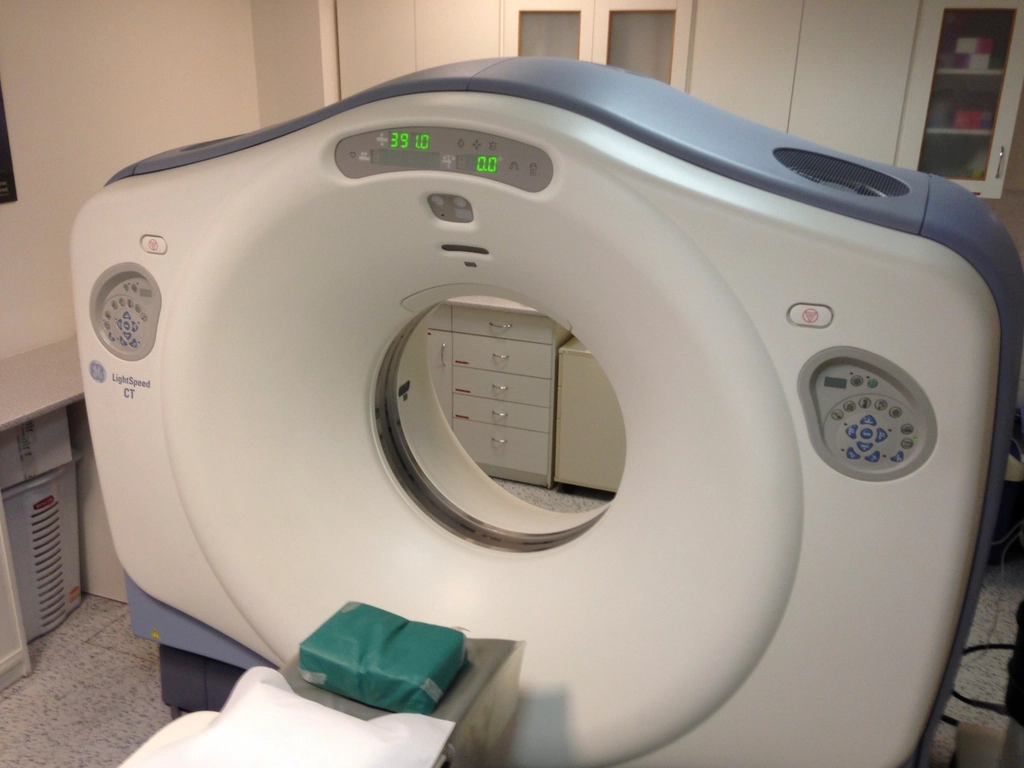
Researchers have developed an artificial intelligence system capable of identifying extremely subtle changes in pancreatic tissue long before a cancer diagnosis becomes clinically apparent. The model, known as REDMOD, analyzes fine texture patterns in computed tomography (CT) scans that are invisible to the human eye and standard medical imaging technology. According to a study published in the journal Gut, this technology could shift the paradigm for detecting pancreatic ductal adenocarcinoma from late-stage intervention to early interception.
REDMOD AI Model Performance
Pancreatic ductal adenocarcinoma carries a low survival rate largely because it is typically discovered only after the disease has advanced to a terminal stage. Early stages of the disease produce few noticeable symptoms, and the cellular changes are often too subtle for conventional radiological assessments to catch. REDMOD was designed to address this gap by automatically identifying and outlining the pancreas, separating it from surrounding organs to eliminate manual tracing errors.

To evaluate the system, researchers examined abdominal CT scans from 219 patients treated at multiple hospitals. At the time of their scans, experienced radiologists found no evidence of pancreatic cancer. However, every patient in this group was subsequently diagnosed with the disease. The scans had been taken at various intervals before diagnosis: 40 percent were obtained three to 12 months prior, 35 percent were 12 to 24 months earlier, and 25 percent were more than 24 months before diagnosis, with some images dating back nearly three years.
REDMOD successfully identified these early imaging signatures an average of 475 days before patients received their clinical diagnoses. The system demonstrated a sensitivity of 73 percent, significantly outperforming experienced radiologists who achieved a sensitivity of 39 percent. The performance gap widened for scans taken more than two years before diagnosis, where REDMOD achieved a 68 percent detection rate compared to just 23 percent for radiologists.
Impact on Survival Rates
The ability to detect pancreatic cancer at stage 0, when the disease is still localized and treatable, holds profound significance for patient outcomes. Modeling studies indicate that increasing the proportion of localized pancreatic ductal carcinomas from 10 percent to 50 percent would more than double survival rates. This underscores the critical role that timing plays in determining survival outcomes for this aggressive disease.
In addition to high sensitivity, REDMOD showed strong specificity. In an independent group of 539 patients from several hospitals, the system correctly classified just over 81 percent of scans as cancer-free. It performed even better on the publicly available US National Institutes of Health NIH-PCT dataset, correctly identifying 87.5 percent of scans as free of pancreatic cancer. Additional testing suggested that the early warning signs detected by REDMOD were consistent over time, with matching results in 90 to 92 percent of cases when analyzing scans taken from the same patients several months apart.
Despite these promising findings, the researchers caution that several questions remain. The study population lacked sufficient ethnic diversity, which could affect how well the technology performs across different populations. Furthermore, the system must undergo prospective testing, particularly among individuals at high risk such as those experiencing unexplained weight loss or recently diagnosed diabetes, before it can be integrated into routine medical care. The researchers conclude that while prospective validation is paramount, REDMOD represents a significant advance toward proactive pre-clinical interception of sporadic pancreatic ductal adenocarcinoma.
Source: ScienceDaily
