


South Korea’s economy expanded at a pace significantly faster than analysts predicted during the July to September quarter, driven by surging global demand for artificial intelligence semiconductors. Advance estimates released by the Bank of Korea on Tuesday show that gross domestic product (GDP) grew 1 percent on a quarterly basis, which translates to a 3.4 percent increase year-on-year.
The performance marks a sharp reversal from the previous year, when the economy recorded its slowest expansion since the pandemic with just 1 percent growth in 2025. The latest figures position the nation’s economy on track for its strongest annual expansion in more than a decade.
Export Surge Driven by Semiconductor Demand
Exports, which represent approximately 45 percent of South Korea’s GDP, rose 2.3 percent quarter-on-quarter. The central bank attributed this increase primarily to semiconductors, machinery, and electrical equipment. Data from the Korea Customs Service highlights the intensity of this demand, showing that September exports alone surged 83.5 percent year-on-year to reach $120.9 billion. Chips accounted for nearly half of all shipments during that month.
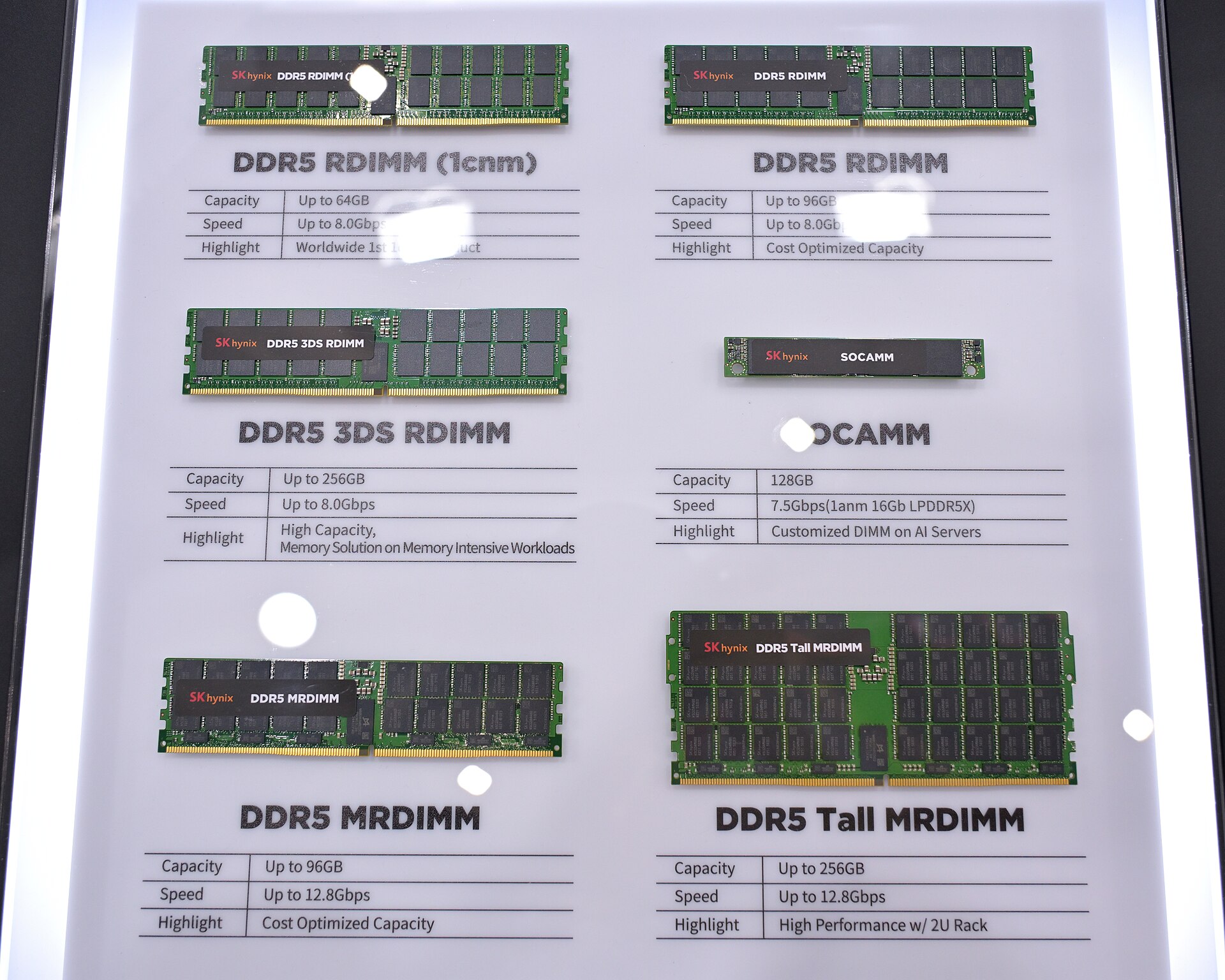
South Korea holds a dominant position in the global memory chip market, home to two of the three largest manufacturers: SK Hynix and Samsung Electronics. Together, these companies control roughly 80 percent of the global market for high-bandwidth memory and 60 percent of the market for dynamic random-access memory. This market share has allowed the country to capitalize on a global shortage of memory chips linked to the AI boom.
Investment Rises While Consumption Falls
Domestic investment also showed strength, with spending on facilities rising 4.1 percent and investment in intellectual property increasing by 2.3 percent. Construction investment saw a modest uptick of 0.7 percent. However, private consumption did not share in this growth, falling 0.2 percent during the quarter.
Finance Minister Lee Hyoung-il stated earlier this month that he expects full-year growth to reach between 3.4 and 3.6 percent in 2026. This projection would represent the strongest economic performance since 2011, excluding the period affected by the COVID-19 pandemic. The Bank of Korea had previously forecast in August that GDP would grow only 0.3 percent in the third quarter, making the actual 1 percent quarterly gain a significant surprise.
Source: Al Jazeera
