


As Netflix prepares to release its new adaptation of The Chronicles of Narnia in early 2027, attention is turning to the real-world locations that shaped the imagination of the Belfast-born author. The series, beginning with The Magician’s Nephew, will hit cinemas on 12 February and stream on Netflix on 2 April. While the books have long been global staples, the physical geography of Northern Ireland remains the primary blueprint for the fictional kingdom.
The Demolished Dundela Home
The story begins in Dundela, east Belfast, where CS Lewis was born in 1898. The specific terrace house where he spent his early years has since been demolished. It was replaced by modern flats, a development that erased the physical structure of his childhood home. Despite this loss, the connection to Lewis is actively maintained in the surrounding Holywood Arches neighbourhood.
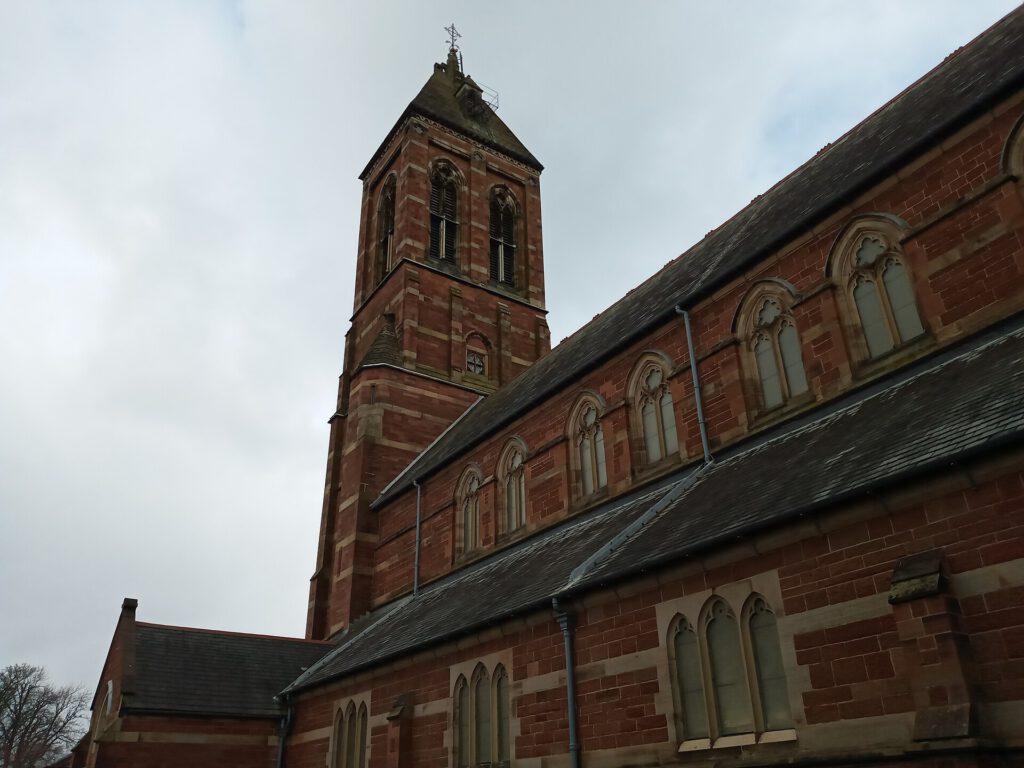
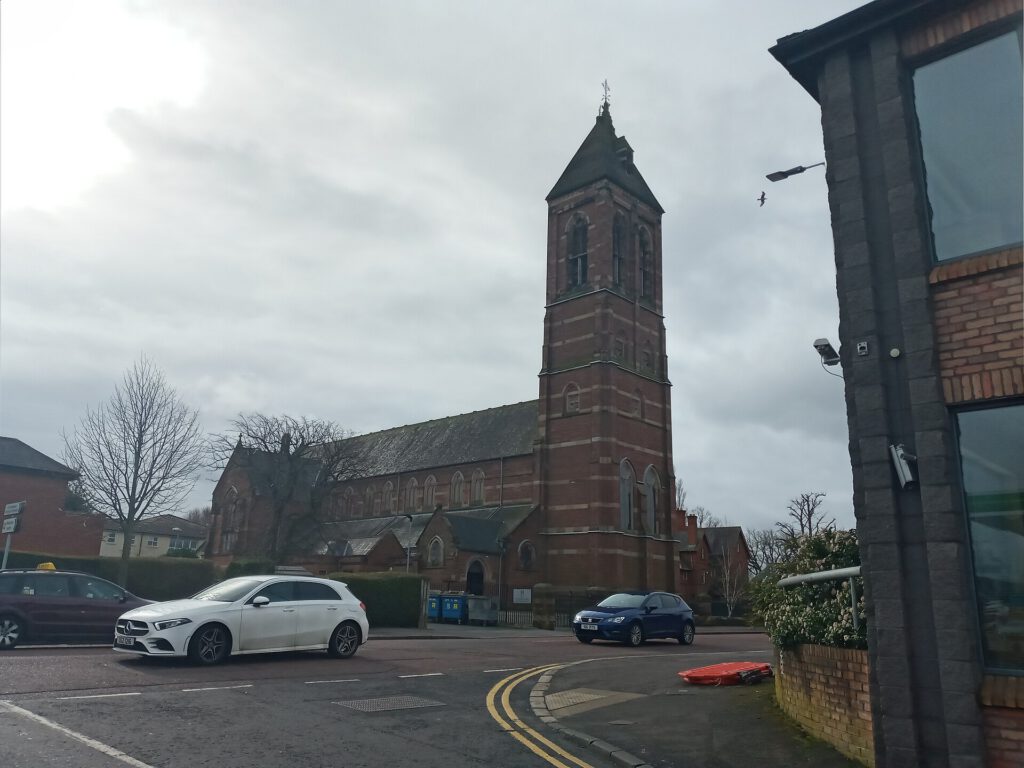
CS Lewis Square features a walking trail with metal sculptures of characters from the books, including Mr and Mrs Beaver and Mr Tumnus. The square is dominated by a large statue of Aslan on a circular mound. Nearby, St Mark’s church on the Holywood Road holds a smaller lion artifact. Lewis’s grandfather, the Rev Thomas Hamilton, served as minister there for 13 years. The church originally featured a brass lion’s head doorknob on the rectory door. The original knob was removed for safekeeping, but an exact replica now attracts visitors each year.
Just half a mile away, the Lewis family moved in 1905 to a large redbrick house on Circular Road. The property, named Little Lea, was then on the outskirts of the city. It remains privately owned and is visible through iron gates at the end of the drive. Lewis described the house in his autobiography, Surprised By Joy, as seeming less like a home and more like a city. He recalled long corridors, empty sunlit rooms, and attics explored in solitude. This house appears in the opening scenes of The Magician’s Nephew and The Lion, the Witch and the Wardrobe as the gateway to Narnia.
The Mourne Mountains View
While the urban structures of Belfast provided the domestic setting, the wilder landscapes nearby supplied the fantasy elements. Lewis and his brother Warnie had freedom to wander the fields and hills between Belfast and Strangford Lough. The Belmont Road climbs out of the city into high ground that offers expansive views. Lewis did not record the exact spot for one specific description, but the crags of Whitespots country park on the hill above Newtownards are considered a likely candidate. This location matches his description of the stone table where Aslan was sacrificed.
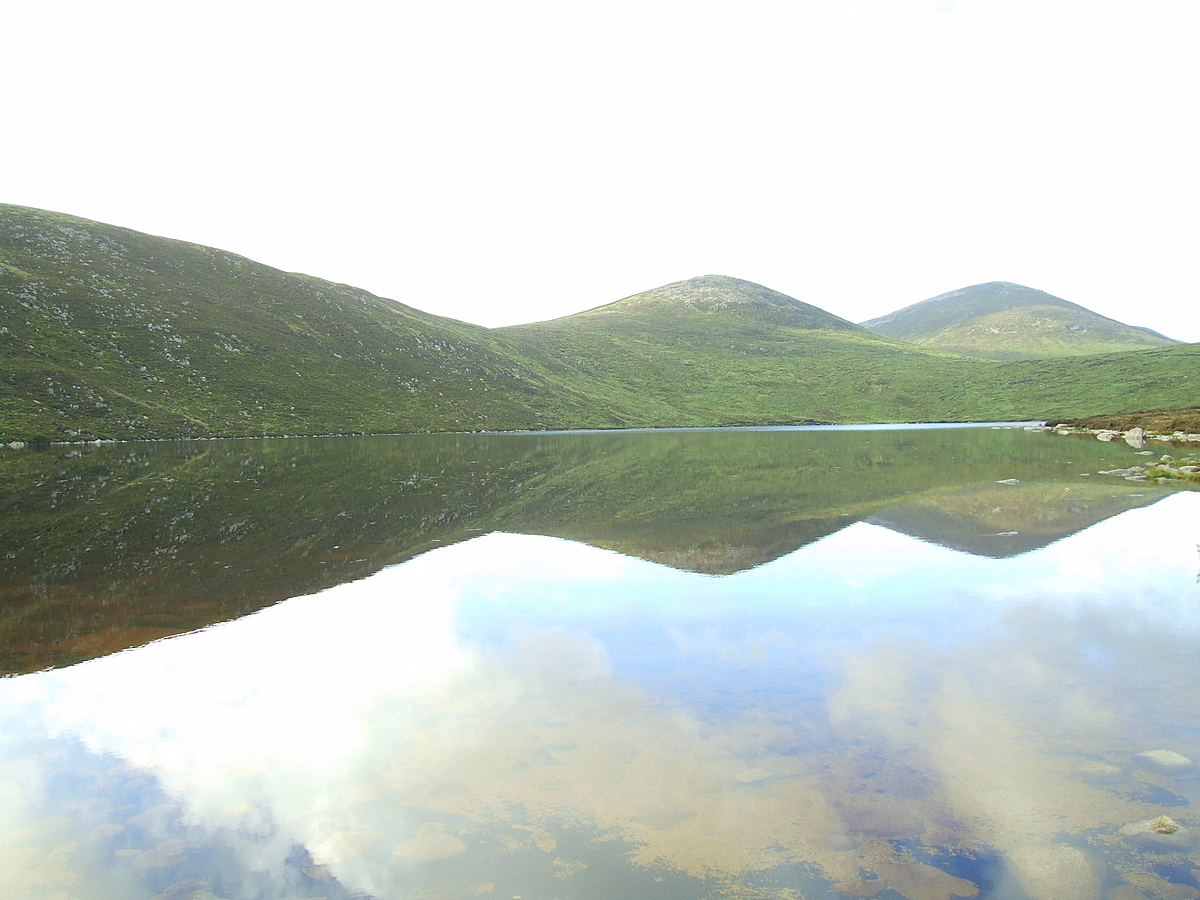
The most definitive inspiration comes from the Mourne Mountains. Lewis told his brother that the view from the Mournes above Rostrevor, looking down over Carlingford Lough, was his idea of Narnia. This statement is stencilled on a bench at a viewpoint in Kilbroney forest park. The area evokes the romantic escapism Lewis described in his writing. He wrote of looking across the plain of Down and seeing the Mournes as a land of longing.
Further north, the coast offers another potential source for Cair Paravel, the castle capital of Narnia. Scholars debate whether Dunluce Castle or Downhill Demesne provided the model. Dunluce perches on the coast east of Portrush. Downhill Demesne near Castlerock contains the Mussenden Temple, which sits on the seashore and fits Lewis’s description of a great star resting on the water. Lewis holidayed on the north coast with his mother as a child, making these locations familiar from his youth.
The murals in east Belfast now reflect this literary heritage alongside the city’s complex political history. The mystical beasts of Narnia appear on gable walls alongside images of local paramilitaries. This juxtaposition places the wholesome images of Lewis’s imagination in a tough, working-class setting. The upcoming Netflix series will bring these landscapes to a global audience, highlighting how the author’s memories of Dundela, Circular Road, and the Mourne Mountains created a magical kingdom.
Source: The Guardian
