


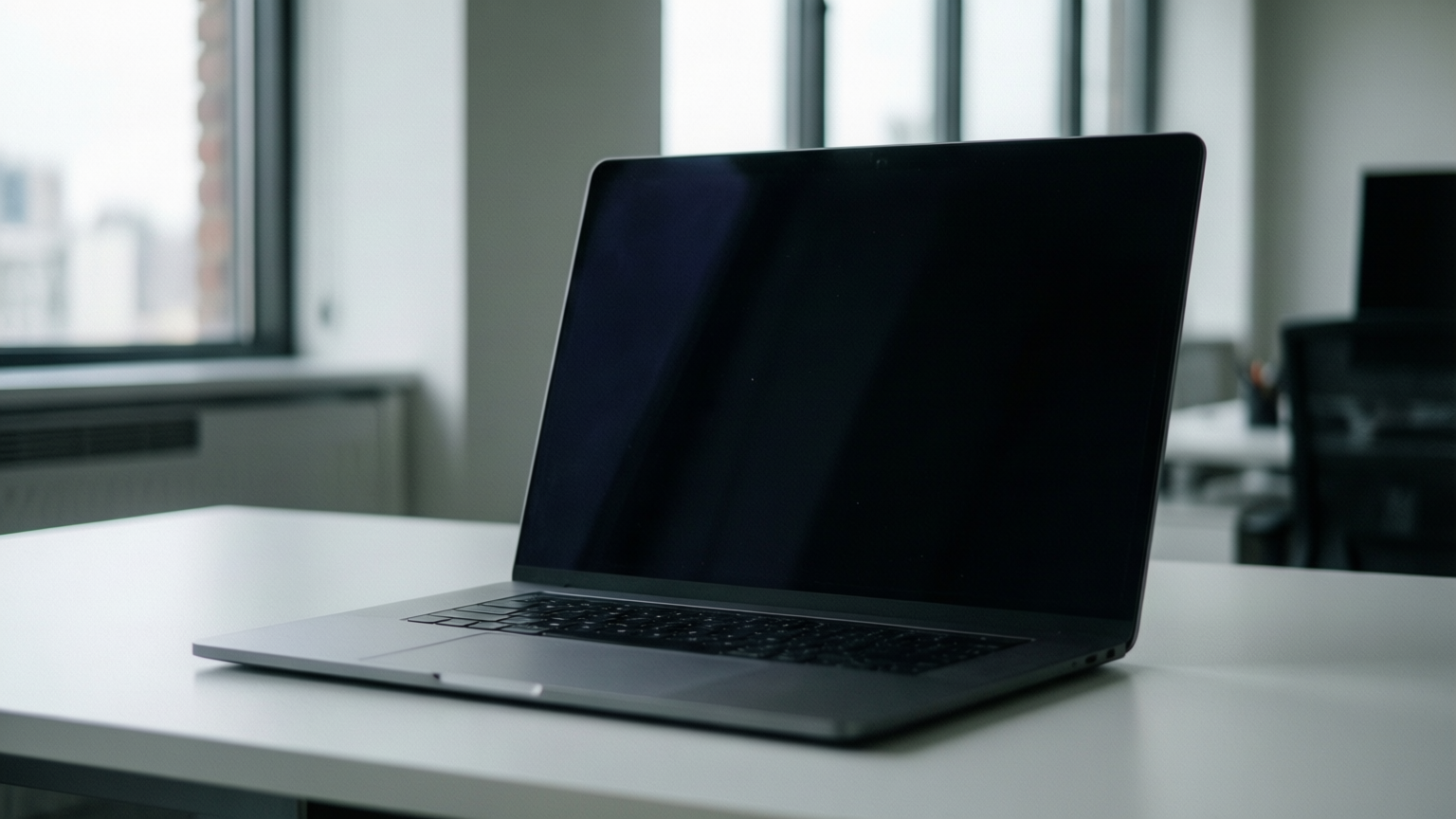
Apple has officially moved past its long-standing resistance to touch interfaces on its desktop and laptop computers. In a recent interview with WIRED, CEO John Ternus, hardware chief Johny Srouji, and marketing executive Greg Joswiak detailed the reasoning behind introducing touch capabilities to the MacBook Pro.
For years, Apple leadership dismissed the idea of a touchscreen Mac. Former CEO Steve Jobs and current senior vice president of worldwide marketing Phil Schiller had previously argued that touchscreens did not belong on the Mac platform. The company maintained that the trackpad and keyboard provided a superior input method.
Technology Finally Meets Standards
Ternus acknowledged that indirect input remains central to the Mac experience. However, he noted that there are moments when direct touch is convenient. The company did not want to compromise the existing design to add this feature. Instead, they waited for technology to advance enough to meet their strict quality standards.
Srouji stated that a decade of progress in display technology and custom silicon finally allowed Apple to meet its internal bar. He emphasized that his engineering teams should be limited by physics, not imagination or arbitrary timelines. The convergence of new chips, display tech, and software architecture made the feature viable.
The new 14-inch and 16-inch MacBook Pro models feature the PROLED XDR Display. Ternus explained that this specific display technology was key to the implementation. He noted that adding touch did not make the device heavier or thicker. The OLED components within the PROLED screen allowed for a seamless integration that preserved the laptop’s thin profile.
User Expectations and Hardware Adjustments
Joswiak pointed to a shift in user behavior as a driving factor. He observed that most professional users already own an iPad or an iPhone. This generation of creators, engineers, and developers is accustomed to touching screens. They expect similar interactions on their laptops.
Apple engineers made several hardware changes to support this feature. They redesigned the thermal system to prevent the display from becoming too hot to touch. A new hinge mechanism was also introduced to minimize screen wobble when users interact with the glass. These adjustments ensured that the touch feature felt native to the device rather than an afterthought.
The implementation of touch on macOS remains limited. It is not a full redesign of the operating system into a hybrid device. The feature is intended for specific tasks where touch is comfortable. Apple has also introduced new gestures for features like Dynamic Island to accommodate direct interaction.
The decision marks a significant shift in Apple’s product philosophy. It responds to both technological capabilities and changing user habits. The company has integrated touch into the MacBook Pro without altering its core design principles or input methods.
Source: 9to5Mac
