


Microsoft reported $92.3bn in quarterly revenue and $36.6bn in profit for the September quarter, surpassing Wall Street expectations. The results came just days after the company offered voluntary buyouts to approximately 60,000 employees, a move that coincided with a surge in its stock price on Wednesday afternoon.
September Quarter Results Beat Estimates
The software giant recorded total revenue of $92.3bn and profit exceeding $36.6bn, according to a securities filing on Wednesday. Analysts had projected revenue of around $90.6bn and profit of $35.1bn, based on FactSet data. The company’s stock value increased significantly following the announcement.
The primary driver of this financial performance was the Azure cloud computing division, which saw growth of 48% during the period. This expansion highlights the continued demand for cloud infrastructure and services as enterprises integrate more digital tools into their operations.

“We are delivering greater capability, choice, control, and cost-efficiency for customers across our entire stack,” said Satya Nadella, Microsoft chief executive, in a statement regarding the results.
Workforce Reduction Amid AI Spending
The earnings report follows a significant restructuring effort within the company. Two days prior to the financial disclosure, Microsoft offered voluntary buyouts to about 60,000 employees. This group represents roughly a quarter of the company’s global workforce.

Regulatory filings indicate that Microsoft had 223,000 employees globally at the end of June, down from 228,000 at the end of 2025. This marks the second voluntary buyout offer the company has made this year. In April, Microsoft provided seven percent of its US workforce with the option to retire early.
The company is currently directing substantial capital toward artificial intelligence investments. The workforce adjustments appear to be part of a broader strategy to realign resources toward these high-growth technology areas while managing operational costs.
New Hardware for On-Device AI
Alongside the financial results, Microsoft announced the launch of a new Surface Ultra laptop earlier this month. The device runs on Nvidia’s artificial intelligence chips and is priced at more than $2,500. This release aligns with a broader industry trend among technology companies to develop hardware capable of handling more AI computing on-device.
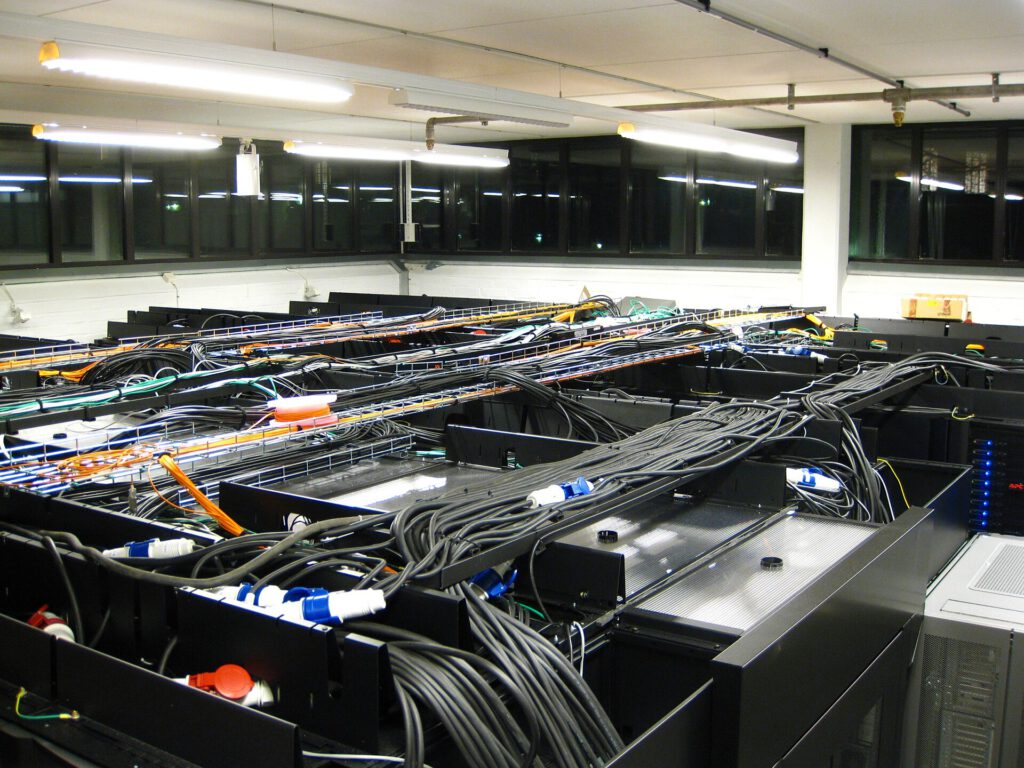
By enabling offline AI processing, manufacturers aim to reduce reliance on remote cloud datacenters. Running AI models locally can be faster and more cost-effective for users than transmitting data to distant servers. Apple also announced a similar touchscreen MacBook this week, signaling a competitive shift in the personal computing market.
Source: The Guardian
