


Cooneen Ghost House and Dunnottar Castle
Readers have shared their top picks for the spookiest places in the UK to celebrate Halloween, highlighting locations that blend history with unsettling folklore. The selections range from remote farmhouses to cliffside ruins, offering a mix of natural eeriness and documented hauntings.
Christina Hawe points to the Cooneen Ghost House near Fivemiletown in Northern Ireland as one of the eeriest spots in the region. The abandoned farmhouse is private property but can be viewed from the road, which Hawe notes makes the local poltergeist stories feel even more unsettling. She suggests pairing a visit with a cold-weather ramble through nearby Crocknagrally Forest, where misty afternoons and secluded tracks create a remote atmosphere where folklore seems woven into the landscape.
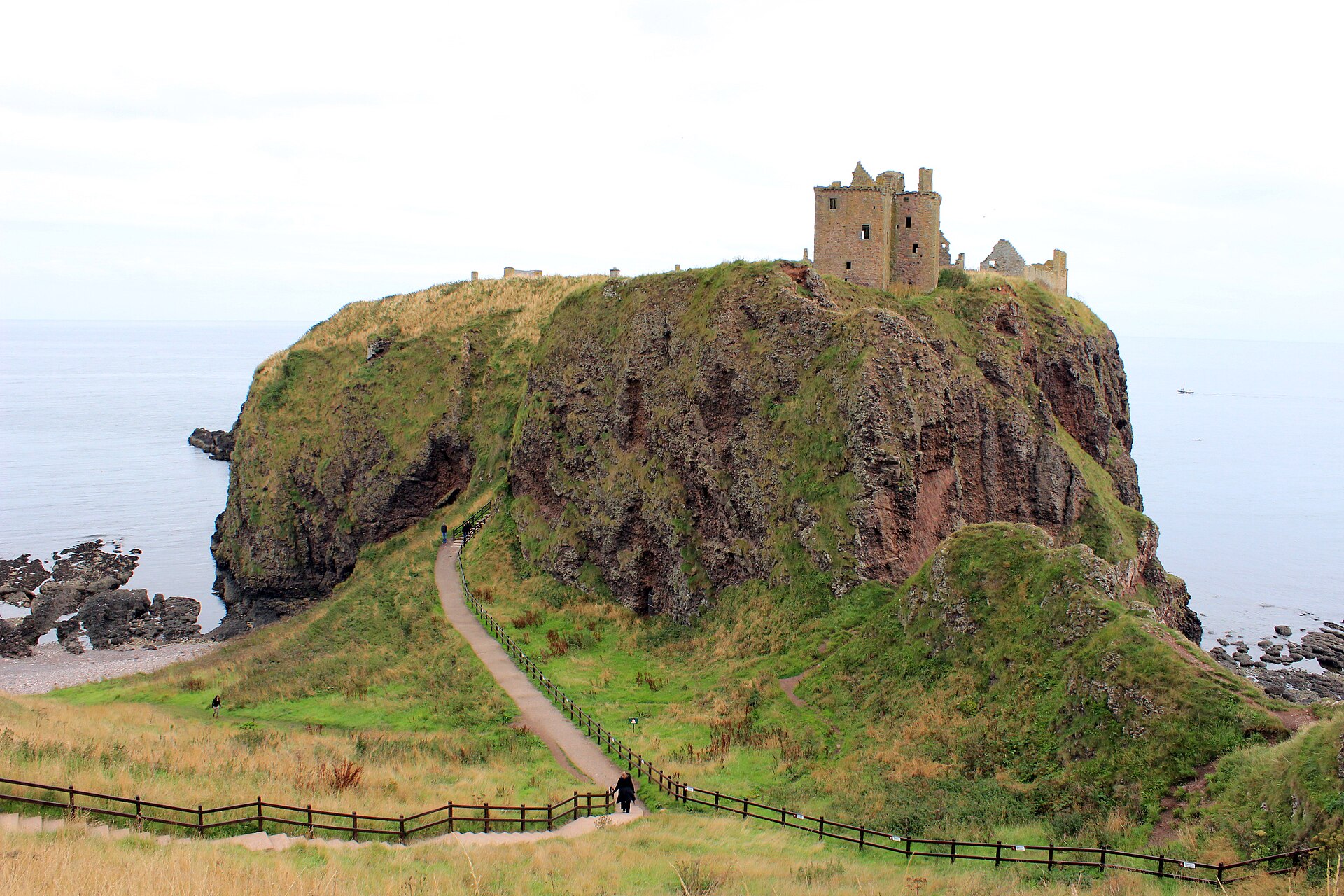
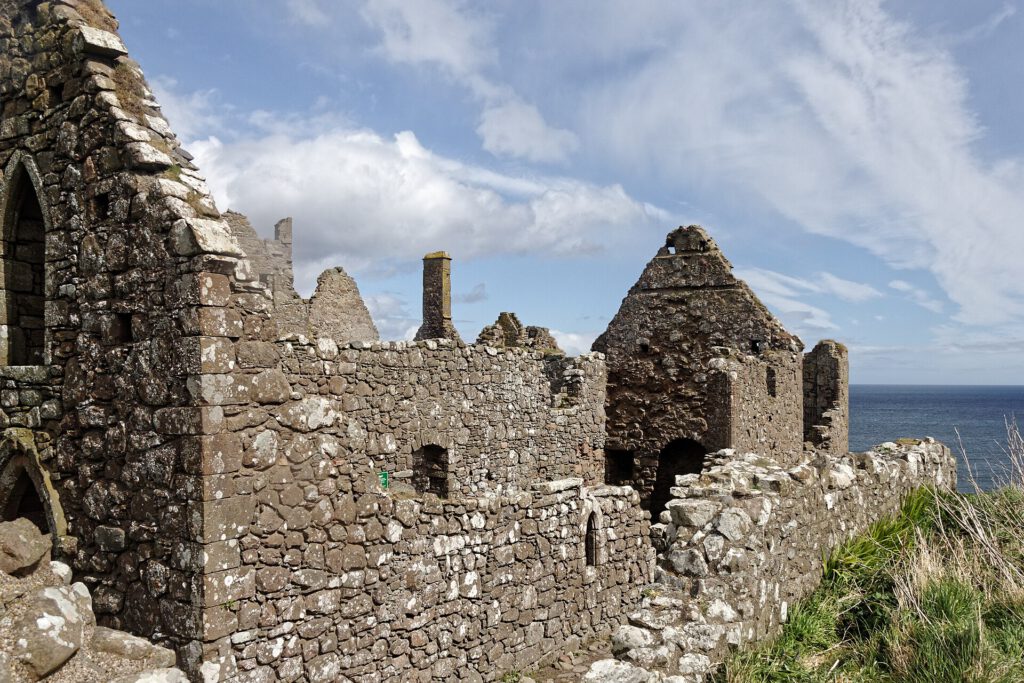
In Scotland, Rosie highlights Dunnottar Castle, perched on cliffs above the North Sea. She describes the Whigs Vault as the most haunting part of the site, where more than 160 prisoners were confined in dreadful conditions in 1685. Standing in the dark chamber, she says it is impossible not to imagine the fear of those imprisoned there, with names of multiple Frasers recorded on the walls. The wind whistling through the stonework and the thundering waves below add to the sense that the past has not left the site.
Prisons and Ancient Ruins
Charlie recommends Shepton Mallet prison, known as “the Mallet,” for its dark history and ghost tours. Opened in 1625, the site features three Victorian blocks and stories of past prisoners, including the Kray twins. Visitors can take daytime tours or night-time ghost tours to hear stories of spooks witnessed by staff and guests. Charlie notes that guests can even stay the night in a real, cold prison cell, praising the friendly staff who are described as great characters.
Tom recalls a visit to Pentre Ifan in Wales, a burial chamber that defies easy explanation. He describes a 16-ton weathered capstone barely touching three sharp stone points, as if held up by something unseen. On a November evening, as daylight faded, the chamber beneath grew darker than the surrounding dusk. Tom, whose father usually has an explanation for everything, stood silent during the visit, and they walked back to the car faster than they had arrived.
Finbarre Snarey suggests St Thomas à Becket church in Heptonstall, a roofless 13th-century shell raked into ruin by a storm in 1847. The site features gaunt, towering arches framing open skies and a hollowed-out stone tower that Snarey compares to the Tower tarot card. He warns visitors to expect goosebumps when viewing the rare site where two parish churches share a single churchyard.
Folklore and Literary Connections
Kirsty McHattie highlights Chanctonbury Ring, an Iron Age hill fort on the South Downs in West Sussex. Folklore claims that walking or running around the ring seven times will reveal the devil. McHattie references writer Robert Macfarlane, who recounted an unnerving experience in his 2012 book “The Old Ways: A Journey on Foot.” Macfarlane was awakened in the dead of night by terrifying human-sounding screams high in the tree canopy, which seemed to divide and converge before swooping down upon him.
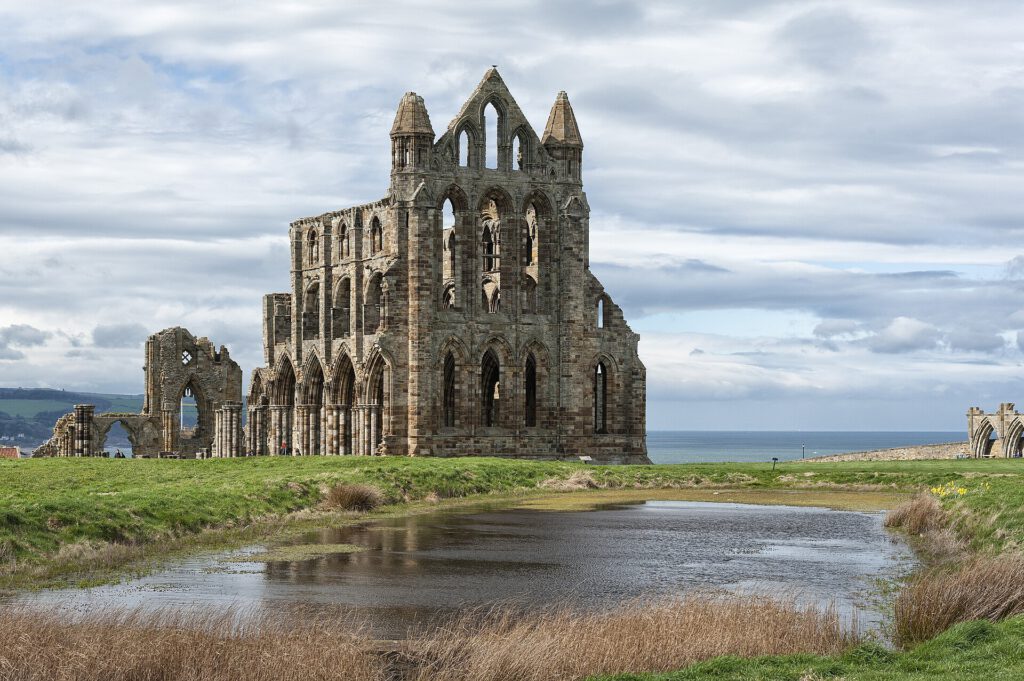
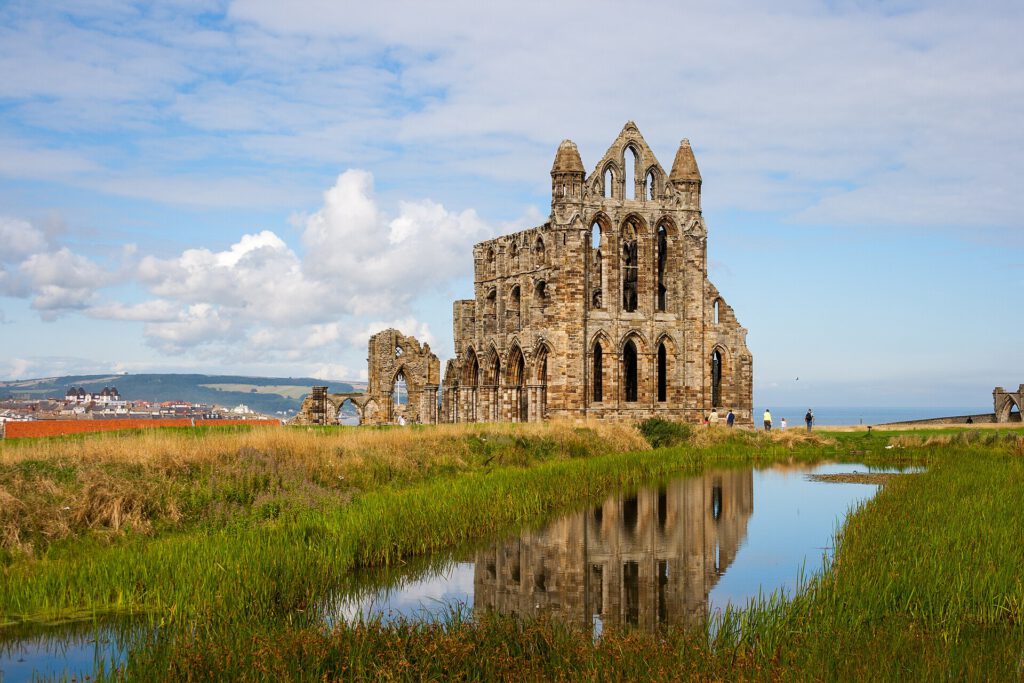
Emilio recommends Whitby Abbey on the Yorkshire coast, noting its dramatic ruined arches and weathered stone. He suggests visiting at dusk when mist drifts in from the North Sea and wind moves through empty windows. Emilio notes that Whitby’s narrow streets and harbour add atmosphere, especially when the lamps come on. He acknowledges the site’s connection to Bram Stoker, who found inspiration here for “Dracula,” stating that the best spooky places are where history, landscape, and legend meet.
Joel Rawlings describes Slains Castle on the east coast of Scotland, north of Aberdeen. Although he notes that rumours about the castle inspiring Bram Stoker are apparently untrue, the ruins on cliffs above the North Sea still evoke a spooky air. The crashing waves and calls of rooks and jackdaws provide an eerie soundtrack to the visit.
Rob identifies the Four Crosses Inn in Staffordshire as the most haunted pub in England. He shares that the pub was in his mother’s family for many generations, and he grew up hearing about ghostly goings on. The pub, which is only open for tours now, is located on the edge of Cannock Chase moor, a scene of many murders. Rob mentions dank cellars and creaking attics for visitors to explore, and family lore suggests Dr Johnson stayed there.
Sioned recommends Nant Gwrtheyrn, a once-abandoned quarrying village on the Llŷn peninsula. She describes a terrifyingly steep and winding road leading to the site at the foot of Yr Eifl. On a misty autumn day, with crashing waves below and wild goats on the cliffs, the location feels truly eerie. The woods are home to the tale of Rhys and Meinir, a prenuptial hide and seek game gone awry, with skeletal remains revealed by lightning. The site is free to visit.
Source: The Guardian
