


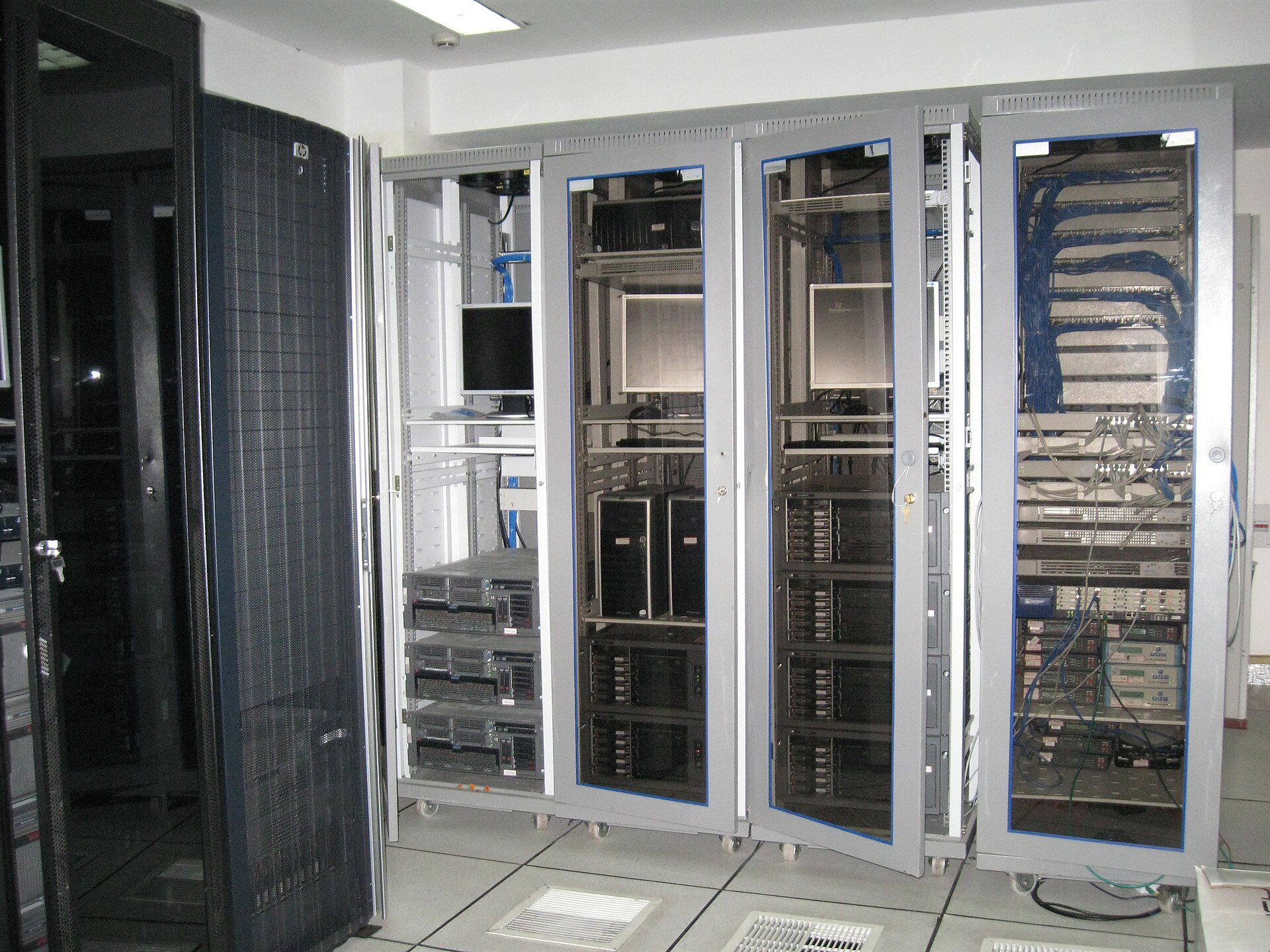
Runware, an artificial intelligence infrastructure company, announced plans to manufacture its modular data centers on an assembly line similar to automotive production. The startup intends to open a second factory in Romania by early next year, aiming to significantly increase the speed at which AI computing capacity is deployed globally.
Flaviu Fadulescu, co-founder and chief executive officer of Runware, stated that the company targets a production rate of 30 megawatts of data center capacity per day by 2028. This volume would amount to nearly one gigawatt of capacity monthly. To put that scale into perspective, the entire United States is expected to add approximately 10 gigawatts of new data center power this year. The goal reflects a broader industry push to accelerate the deployment of AI infrastructure beyond traditional construction timelines.
Assembly Line Manufacturing for AI Pods
Runware has already deployed the Sonic Inference Pod, a prefabricated unit designed for rapid installation. While competitors like Crusoe and Schneider Electric also offer prefabricated solutions, Runware distinguishes itself by building the manufacturing facility itself rather than just designing the infrastructure for others. The company currently operates one factory that has been in use for several years and is constructing a second facility to support its expansion.
The new Romanian factory will utilize an assembly line process. Customers may provide their own site for assembly, or Runware can source a location. The company claims it can bring these pods online within 48 hours after delivery, a timeframe that covers installation and setup rather than the manufacturing process. Previously, building a pod took three weeks. With the ramp-up in production, the manufacturing time is expected to drop to one day.
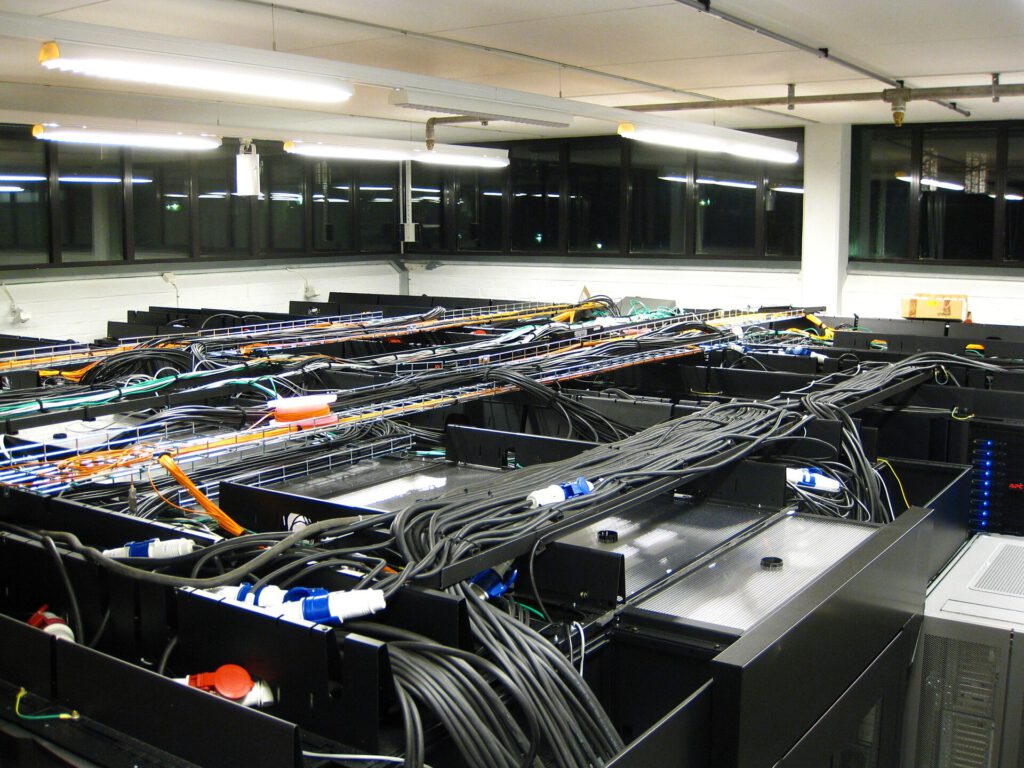
Fadulescu noted that the company provides spare parts if components fail. Customers have the option to rent compute power directly from Runware or supply their own graphics processing units. In those cases, they pay a monthly fee for the pod and operations, while power and internet connectivity are billed separately. The pods feature a standard design but can be customized to meet specific customer requirements and accommodate the latest GPU chips.
Supply Chain and Cost Structure
The modular approach offers a strategic advantage regarding hardware availability. GPU chips often have long lead times after ordering. Runware can deliver its pods faster than these chip lead times, allowing the company to adapt the infrastructure to the hardware once it arrives. An in-house hardware team can design, build, and test components to ensure quick adaptation to new GPU generations.
Runware has raised more than $60 million to date, including a $50 million Series A round last December. The company plans to raise a Series B to support further growth. Fadulescu emphasized that their cost structure differs from other manufacturing startups. He cited the example of Arrival, an electric vehicle startup that struggled with mass production despite a high valuation. Runware aims to avoid similar pitfalls by keeping factory staff costs low relative to the value of the deployed compute and by using widely available, affordable parts.
The company has hired a plant manager with automotive industry experience to work alongside its chief of hardware. Fadulescu stated that Runware has received $1 billion in committed interest for its Sonic pods since offering them to outside customers a month ago. This interest represents over 20 megawatts of capacity that the company is currently working to deliver.
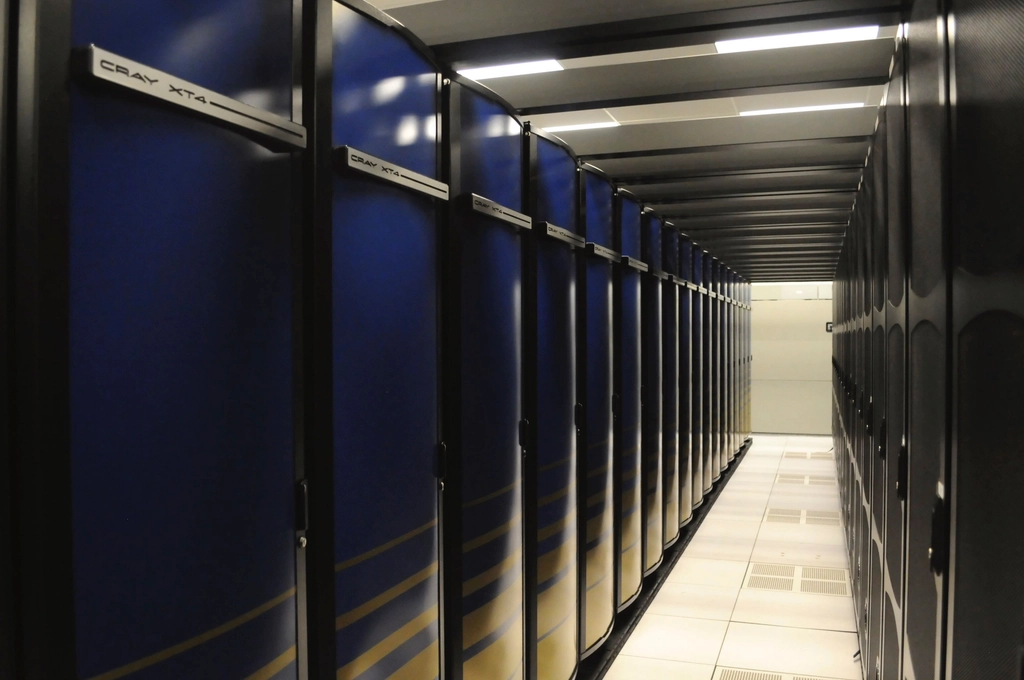
Environmental concerns regarding the energy consumption of data centers remain a significant issue. Runware states that its pods use a closed-loop liquid cooling system with air-cooled radiators, eliminating the need for water connections. The units operate silently up to temperatures of 86 degrees Fahrenheit. The company is actively working with power providers to secure renewable energy sources for its sites.
Runware is currently developing a site pipeline covering 397 megawatts, with potential to expand to 1.2 gigawatts. These sites are typically smaller than those used by major cloud providers and often already have power connections, which Fadulescu argues reduces strain on the local grid. The company plans to expand its operations to the United States and other regions after launching the new Romanian factory.
Fadulescu believes that modular systems will become the standard for large AI deployments. He suggested that customers should be able to plan a hyperscale data center around factory-built pods from the start, allowing the facility to become operational in months rather than years.
Source: TechCrunch
