


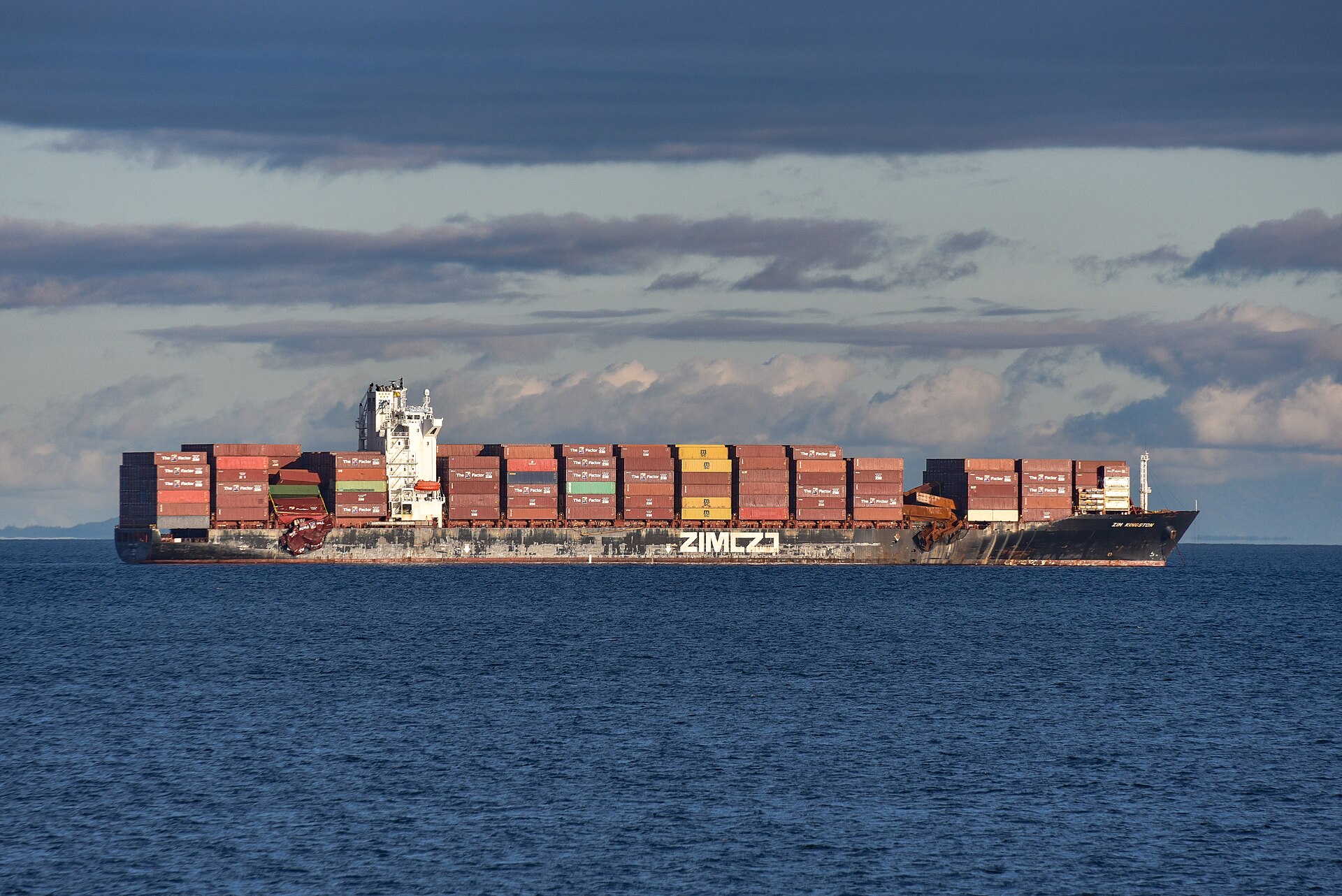
More than 25 dockworkers’ trade unions representing over 110 ports in 22 countries are launching a coordinated strike on Friday, October 30. The action, dubbed the International Day of Action of Dockworkers and Port Workers, aims to disrupt the maritime infrastructure used to transport weapons to Israel during the ongoing war in Gaza.
Historic Scale of Port Shutdown
The strike involves ports across five continents, including major hubs in Italy, France, Greece, Morocco, India, Sweden, Denmark, Australia, Brazil, Mexico, Uruguay, and the United States. Organizers describe the event as historic in scope, with participants united by the principle that port workers should not facilitate war.
Francesco Staccioli, national secretary of transport and ports in Italy’s USB trade union, told Al Jazeera that while each union decides its own specific actions, they are connected by shared principles. “It’s bigger than we thought,” Staccioli said. “This has spread all over the world.”
Most strikes will occur during regular working hours, but 24-hour stoppages have been called in France, Italy, India, Greece, and Turkiye. In other regions, such as Morocco and Cyprus, workers plan two-hour walkouts. The Palestinian labour movement has endorsed the strike, urging unions to escalate Boycott, Divestment, and Sanctions (BDS) pressure to end complicity in what it describes as Israel’s occupation and genocide.
Targeting Arms Supply Chains
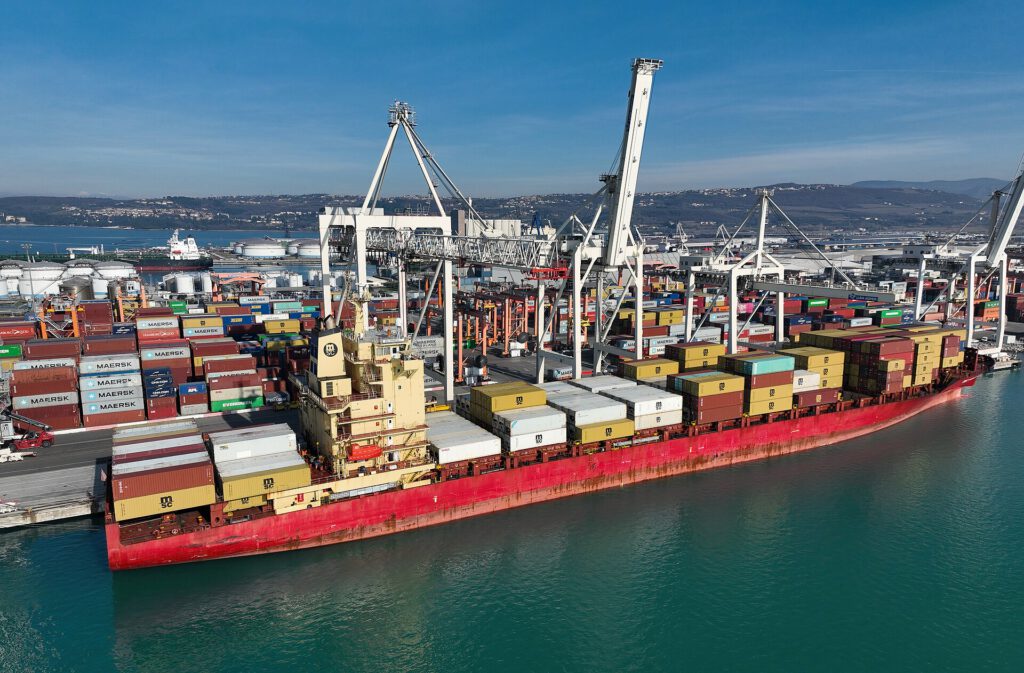
The strike focuses on ports with documented links to military shipments. According to No Harbour for Genocide (NHG), a campaigning collective that tracks weapon supply chains, ports such as Genoa, Livorno, Gioia Tauro in Italy, Marseille in France, Piraeus in Greece, and Tangier in Morocco have handled arms destined for Israel.
NHG reported tracking 315 shipments of components for Elbit Systems, Israel’s largest arms manufacturer, through 56 commercial ports in 29 countries between August 2025 and September 2026. All 56 of these ports are participating in the October 30 strike.
The campaign estimates that more than $2 billion worth of cargo will sit idle during the shutdown. A spokesperson for NHG noted that up to 95 percent of Israel’s imports and exports travel by sea. The participating Mediterranean ports handle 63 percent of all container activity in the region, and the striking ports worldwide account for 13.5 percent of global shipping volume.
Markos Bekris, leader of Greece’s dockworkers’ union ENEDEP at the Port of Piraeus, emphasized the leverage workers hold. “Weapons need transport, infrastructure, and workers’ hands to reach their destination,” Bekris said. “That is where our power lies.”
Worker Solidarity and Political Risks
Dockworkers have a long history of political activism. Staccioli pointed to precedents from the Vietnam and Iraq wars, where port workers rallied against imperialist aggression. In Greece, Bekris is currently facing prosecution for a protest in October 2024 where he and other workers blocked the loading of a container holding 21 tonnes of ammunition destined for Israel.
“We carry forward the tradition of workers who refuse to load weapons against other people,” Bekris said. “Our hands get covered in grease and sweat every day. We refuse to let them be stained with the blood of other people.”
Mohammed al-Attar, a dockworker from Gaza now based in Hamburg, Germany, expressed hope for the strike but criticized his local union, Ver.di, for its silence on the conflict. “We can save thousands of lives if we stop working just for two days,” al-Attar said.
The movement began in early 2025 when five unions from five Mediterranean countries met to discuss actions against privatization and the war in Palestine. The group expanded through meetings in Athens, Genoa, and Istanbul, where over 35 ports published the Istanbul Declaration in May, setting October 30 as their day of action. The declaration calls for the recognition of an independent Palestinian state within 1967 borders and an end to US-Israeli military aggression in the Middle East.
Source: Al Jazeera
