


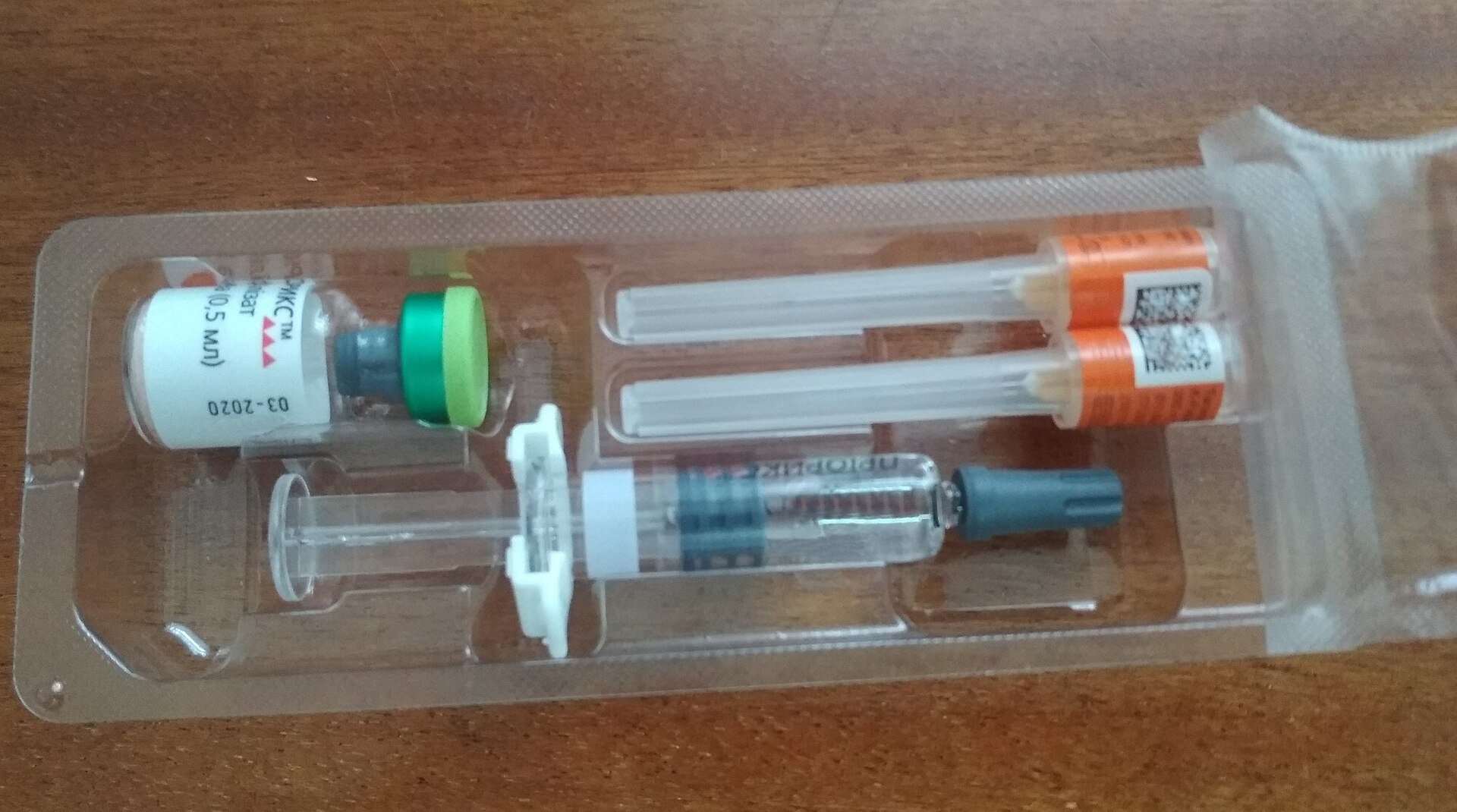
Parents across the United States are accelerating their children’s measles vaccination schedules in response to a sharp rise in domestic cases. The number of confirmed measles infections has doubled compared to the same period last year, driving families to seek the measles, mumps, and rubella (MMR) vaccine sooner than traditional guidelines suggest.
Many parents are choosing to administer the second dose of the MMR vaccine just four weeks after the first shot. This approach aligns with recommendations in Germany, the United Kingdom, and France, and is permitted under current US Centers for Disease Control and Prevention (CDC) guidelines. The CDC typically advises the first dose after age one and the second between ages four and six, but allows for earlier administration during outbreaks.
Accelerating the MMR vaccine schedule
Elias Kass, a naturopathic physician and vaccine advocate in Seattle, noted a clear shift in parental behavior. He reported that more families are asking about early vaccination options as cases climb. Kass began recommending the MMRV shot, which combines the second MMR dose with chickenpox protection, at 15 months of age several years ago. He observed that parents are now more willing to accept this earlier timeline.
“There is no reason to wait, measles is here now,” Kass said. He emphasized that the decision is driven by the immediate presence of the virus in communities rather than long-term planning.

Medical evidence supports the safety and efficacy of this accelerated schedule. Margot Taylor, a mother in Chicago, has three children with different vaccination histories. Her oldest child received standard doses at ages one and four. However, for her second child, born in 2023, her pediatrician recommended the second shot at age two due to local outbreaks. Her third child, born in 2025, received the first dose after her first birthday and the second dose only three months later.
Taylor expressed relief that the vaccines worked despite the early timing. She noted that the standard four-to-six-year window for the second dose is largely logistical, designed to ensure children are fully immunized before kindergarten and to reduce the number of doctor visits. The vaccine remains effective when given earlier.
International precedents and outbreak response
Germany provides a clear example of the benefits of early vaccination. Until 2001, Germany followed a schedule similar to the US. A severe outbreak that year led to a change in policy, with the first dose recommended at 11 to 14 months and the second at 18 to 23 months. In 2020, Germany moved the second dose to just four weeks after the first.

Catherina Becker, a scientist in Germany, stated that there is no evidence that children vaccinated on an accelerated schedule face a higher risk of measles. She suggested that the CDC should consider a stronger recommendation for early second doses. Becker pointed to historical data, including a 1998 outbreak in Alaska where nearly all vaccinated students remained healthy, compared to a 2010 outbreak in Germany where unvaccinated students were significantly more likely to contract the disease.
The MMR vaccine requires two doses because some individuals do not develop immunity from the first shot. The second dose serves as a backup to ensure protection. In areas with active outbreaks, the CDC recommends the first dose at six months for infants. These infants must receive a third dose later, as maternal antibodies passed during pregnancy can interfere with the vaccine’s effectiveness at that young age.
Taylor experienced the risks of being unvaccinated firsthand. When her youngest daughter was too young to receive the first shot, she was exposed to measles at an airport during a west Texas outbreak. The infant developed a fever and required hospitalization in a negative-pressure room until tests confirmed she was not infected. Taylor said she remains grateful for the protection the vaccines provide, even as she questions why parents must make such urgent decisions about their children’s health schedules.
Source: The Guardian
