


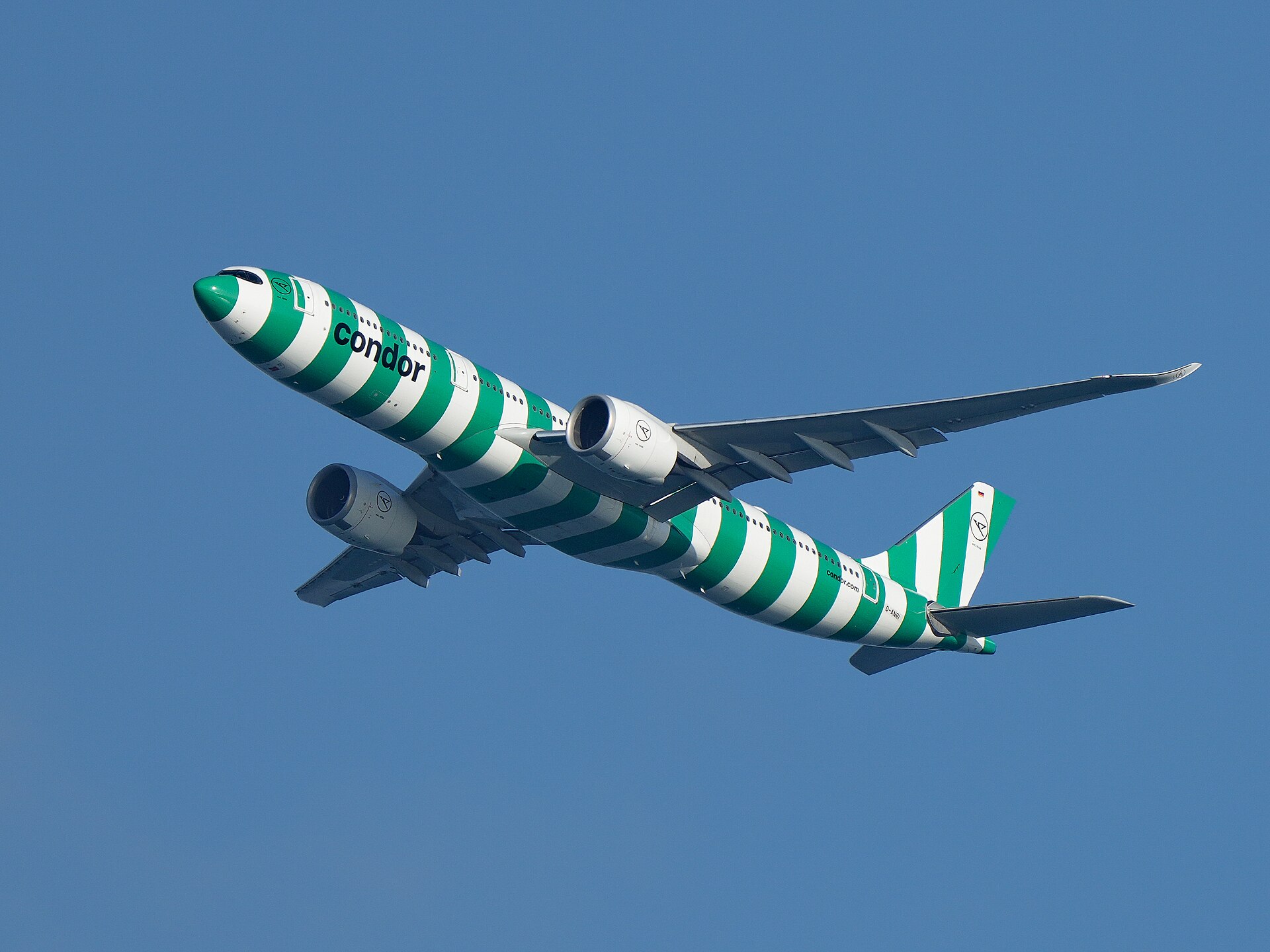
Condor, the German leisure airline recognizable by its striped livery, is fundamentally altering its approach to the American market. The Frankfurt-based carrier is moving away from its historical pattern of serving mid-sized U.S. destinations in favor of larger metropolitan hubs. This strategic pivot follows the conclusion of a long-standing operational tie-up with Lufthansa.
New Chicago Route and American Airlines Partnership
The most significant change to Condor’s schedule is the addition of daily flights to Chicago O’Hare International Airport (ORD). The new service will begin on May 14, 2027, and run through September 12, 2027. The airline will deploy an Airbus A330-900 on this route, configured with 30 business class seats, 64 premium economy seats, and 216 economy seats.
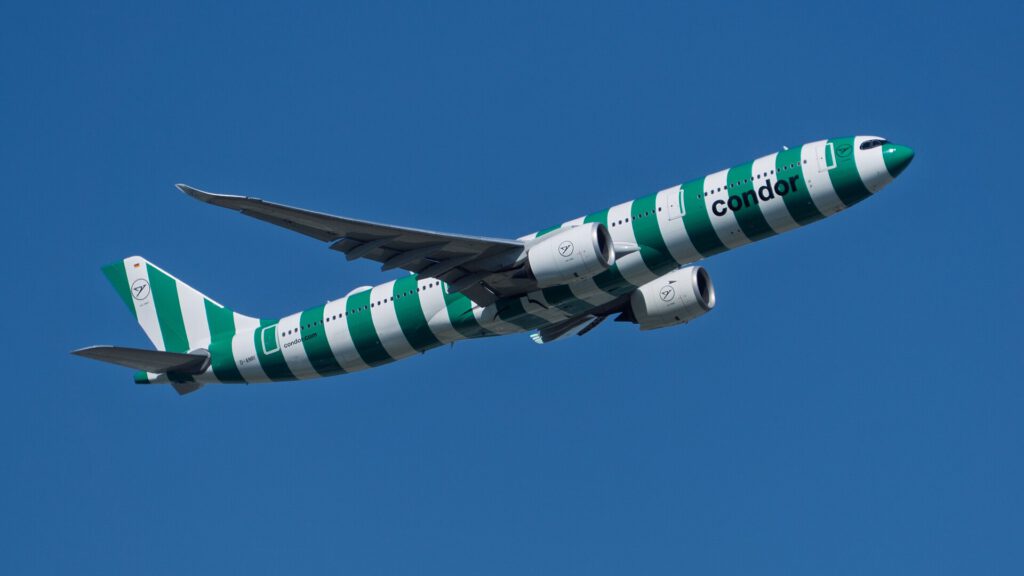
This expansion is supported by a new interline agreement with American Airlines unveiled in September. The partnership allows passengers to book connecting flights between the two carriers on a single ticket with checked baggage transferred between flights. Travelers can connect between American and Condor at Boston Logan International Airport (BOS), Los Angeles International Airport (LAX), and John F. Kennedy International Airport (JFK). Chicago O’Hare will be added to this network in May 2027.
While the agreement facilitates passenger flow, it does not currently include reciprocal frequent flyer benefits. However, Condor maintains loyalty program partnerships with Alaska Airlines and JetBlue, allowing members of their respective rewards programs to earn and redeem points on Condor flights.
Strategic Shift Away from Secondary Cities
Condor previously built its U.S. network around secondary destinations such as Anchorage, Baltimore, and San Antonio. Peter Gerber, Condor’s CEO, explained the necessity of this change at the Routes World conference in Frankfurt on October 21. He noted that operating a large long-haul fleet from Frankfurt requires substantial passenger feed from connecting flights.
The shift away from secondary cities comes after a legal battle with Lufthansa over a connecting passenger agreement. A court ruled in Lufthansa’s favor in 2025, ending the arrangement that would have directed connecting passengers to Condor via Frankfurt. Without this guaranteed feed, Condor must now focus on markets with strong direct demand for travel to or from Frankfurt.
Gerber acknowledged the limitations of this new approach, stating that Condor will never be able to match the breadth of Lufthansa’s network. The airline is instead targeting what he described as the most important origin and destination markets. This strategy has already led to new flights from Frankfurt to Barcelona, London Gatwick, and Venice this year.

Despite the general move away from smaller U.S. cities, Condor will continue service to Ted Stevens Anchorage International Airport and Portland International Airport. These routes remain viable due to their status as major hubs for Alaska Airlines, a longtime partner. The airline plans to expand its long-haul presence in Latin America, with a particular focus on Mexico, as part of its future growth plans.
Source: The Points Guy
