


A cross-party committee of MPs has concluded that the UK government’s promise to reverse rising obesity rates within the next decade is “doomed to fail” without a fundamental change in approach. The health and social care select committee stated in a new report that the current strategy lacks the necessary leadership and clear metrics to succeed.
The committee criticized the so-called “moonshot ambition on obesity” outlined in the 10-year health plan for England. They noted that more than a year after the pledge to end the obesity epidemic, basic questions regarding progress measurement and cross-departmental coordination remain unanswered.
Call for Prime Ministerial Leadership
The report explicitly stated that the government lacks faith in its current commitment to the aim. It predicted failure unless ministers urgently reassess their strategy. The MPs argued that tackling a challenge of this scale requires action led from the top, with the delivery of the plan made a clear, personal priority for the prime minister.
To address this, the committee called for the creation of a dedicated cabinet committee on the obesity plan. This body would be chaired by the prime minister to drive action and signal that the government takes the issue seriously. Layla Moran, the Liberal Democrat MP who chairs the committee, emphasized that the issue transcends individual departments.
“Experience tells us that if the prime minister isn’t calling the shots on such a huge societal issue, the loose ends won’t join up and the moonshot will crash land,” Moran said. She urged the prime minister to take up the ambition as the driver of change, noting that the NHS, public health, and the economy would reap long-term benefits.
Statistics and Strategic Failures
Official statistics highlight the scale of the problem. Thirty percent of adults in England are living with obesity, while 66 percent are either overweight or obese. Close to a third of children are estimated to be overweight or living with obesity. Although trends have leveled off in recent years, there are no signs of a decline from the significant increases seen since the 1990s.

The report identified a major failing in the current strategy: the lack of distinction between prevention efforts and treatment for those already affected. The MPs argued that conflating these two areas has led to muddled thinking and a lack of progress under successive governments.
Any effective plan must include a clear definition of what reducing obesity rates means in practical terms. The committee requested interim progress markers to allow MPs to hold ministers to account. They also demanded a joined-up, cross-government action plan that details the roles of responsible departments, their planned actions, and funding sources for both adult and child prevention and treatment.
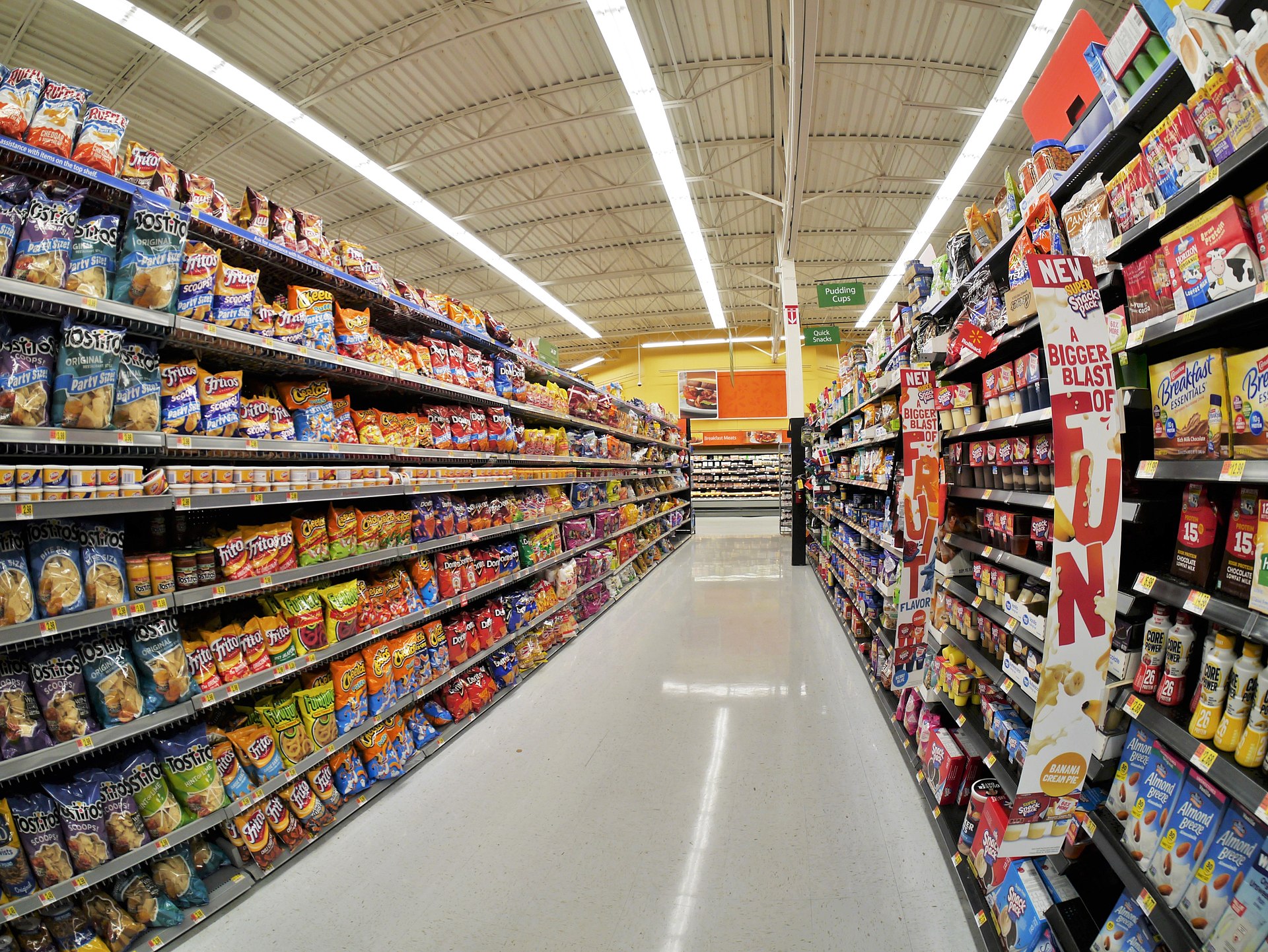
Ministers were asked to present this plan to parliament within the next three months. The report suggested that an effective strategy would involve standing up to the food industry. This includes regulating advertisements for unhealthy food and drink, implementing simpler product labeling, setting targets for supermarkets to sell more healthy foods, and restricting fast food outlets near schools.
A Department of Health and Social Care spokesperson defended the government’s record, stating that obesity is one of the biggest challenges facing the health service. The spokesperson highlighted existing measures, such as restrictions on junk food advertising before 9pm and online, bans on volume-price promotions for less healthy products, and stronger powers for councils to block new hot food takeaways near schools.
The department also noted its focus on supporting those already living with obesity by expanding access to weight management support. This includes providing NHS weight-loss drugs for individuals with the greatest clinical need, aiming to drive a shift from sickness to prevention.
Source: The Guardian
