


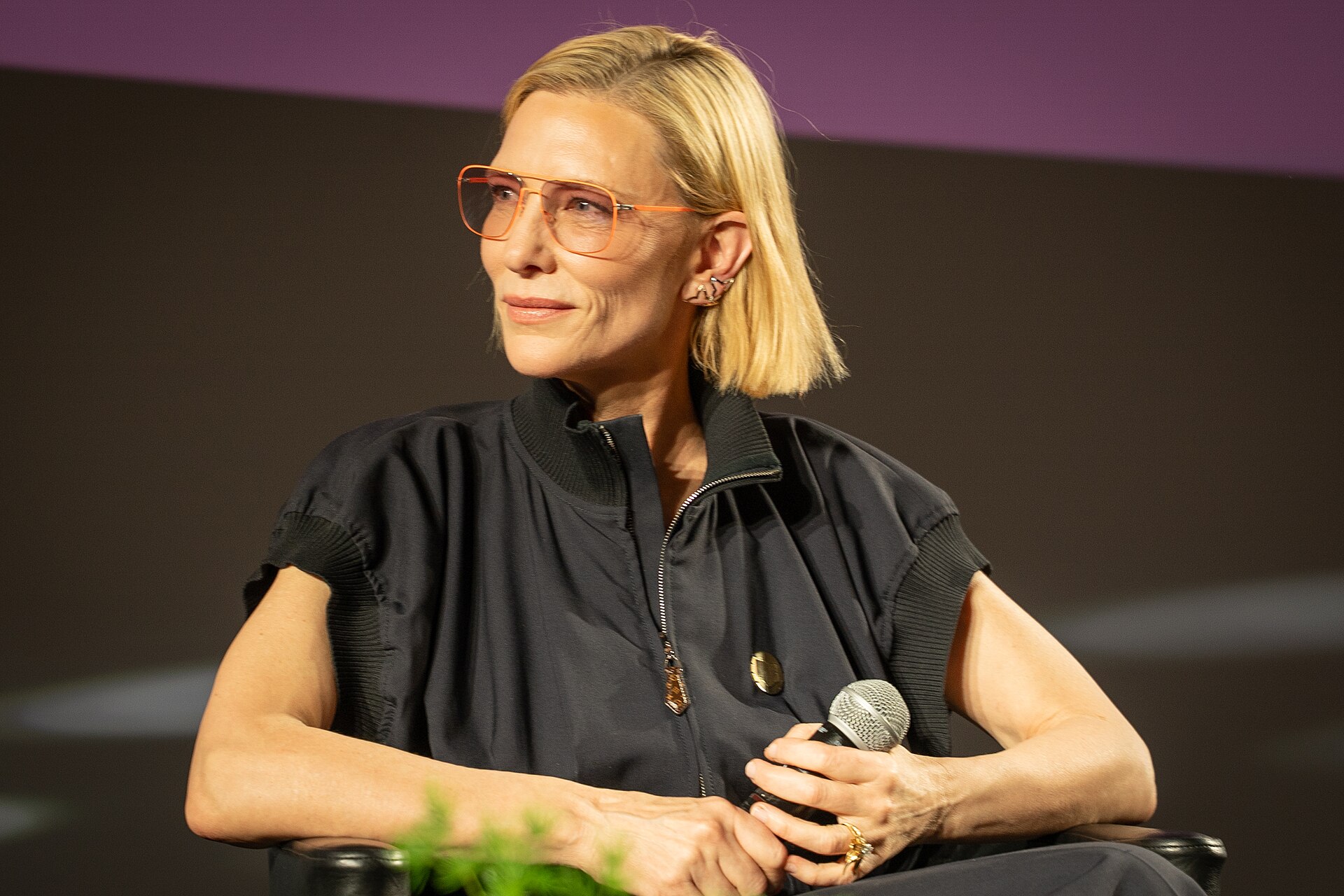
The Human Consent Foundation, a nonprofit organization supported by Cate Blanchett, has joined a legal effort to protect the likenesses of individuals from unauthorized use by artificial intelligence models. The group filed an amicus brief in the Southern District of New York late Friday, supporting the New York Times in its ongoing lawsuit against OpenAI and Microsoft.
The 31-page filing argues that the tech companies’ defense, which claims it is too difficult or expensive to clear rights for the content used in training AI models, is factually incorrect. The brief asserts that the creative industries already possess a proven infrastructure and established workflows to clear rights for dispersed works at scale and in a cost-effective manner.
Hollywood Coalition Challenges Licensing Claims
The filing was not made by the foundation alone. It was joined by a significant coalition of industry representatives, including the Creative Artists Agency (CAA), the Music Artists Coalition, the National Association of Voice Actors, Writer, Inc, and the Creative Coalition on AI. These organizations collectively argue that the defendants’ position mischaracterizes the current state of the licensing market.
Defendants in the case have contended that licensing creative works for AI training is cost-prohibitive. They also claimed there is no settled method for valuing training data. The amicus brief directly counters these assertions, stating that the facts demonstrate the opposite. The creative sector has long operated with mechanisms to handle complex rights clearance efficiently.
The brief included an appendix listing numerous Hollywood stars who support the cause. The list of supporters includes Anne Hathaway, Emma Thompson, Dan Levy, Ron Howard, Madonna, and Olivia Wilde. Their names were attached to the filing to underscore the broad industry concern regarding the unauthorized use of their work and likeness.
Union Briefs Highlight Bargaining Power
The filing by the Human Consent Foundation and its allies came just one day after three major unions submitted their own briefs against OpenAI and Microsoft. The Screen Actors Guild-American Federation of Television and Radio Artists (SAG-AFTRA), the Writers Guild of America, and the American Federation of Musicians all urged the court to reject the tech companies’ fair use arguments.
The unions argued that accepting the defendants’ claim of fair use would effectively nullify the terms that the unions and the industry had carefully negotiated at the bargaining table. Their Thursday brief stated that such a ruling would harm not only the copyright owners but also the people who create the work.
The New York Times is seeking summary judgment against OpenAI and Microsoft. The amicus briefs filed by the Hollywood coalition and the unions support the Times’ request, providing the court with additional evidence that the licensing market is active and that the defendants’ claims of impossibility are unfounded. The legal battle continues in the Southern District of New York, with the court now reviewing these extensive arguments from the creative industry.
Source: Variety
