


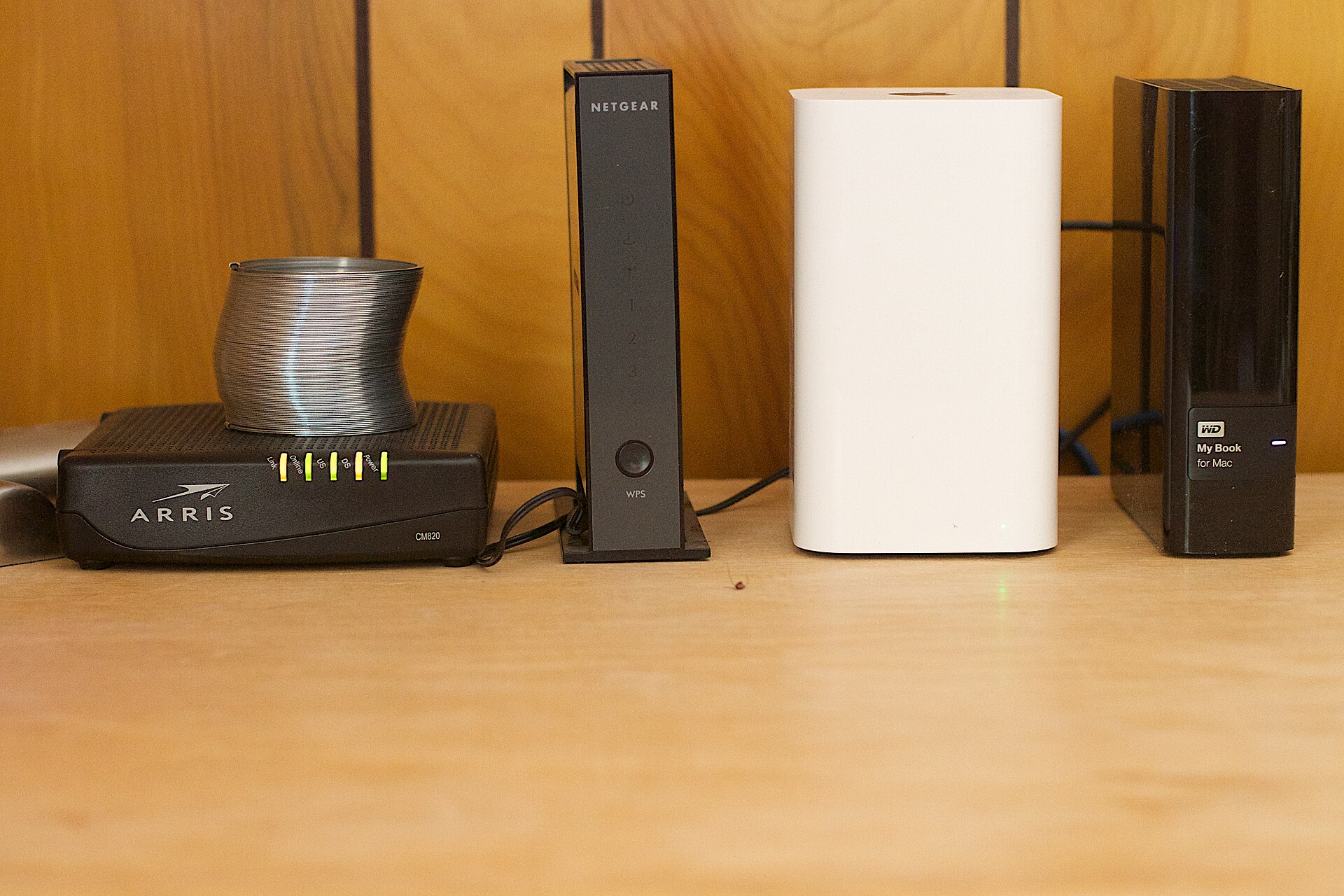
That dusty computer sitting in the basement might be worth more than scrap metal. For many households, the rising cost of digital entertainment and data storage is becoming a significant monthly burden. Repurposing an old PC into a home server offers a practical way to reduce these expenses while extending the life of existing hardware.
Technology enthusiasts often accumulate unused equipment over the years. Instead of letting these devices gather dust, they can be transformed into functional media hubs. This approach allows families to create custom streaming solutions that replace multiple paid subscriptions. The process is straightforward and requires minimal technical expertise, making it accessible to a wide range of users.
Reducing Monthly Streaming Expenses
The modern entertainment landscape is fragmented across numerous platforms. Most major media companies now operate their own subscription services, leading to a phenomenon known as subscription fatigue. A typical household might pay for several different streaming services to access desired content, causing monthly bills to climb steadily.
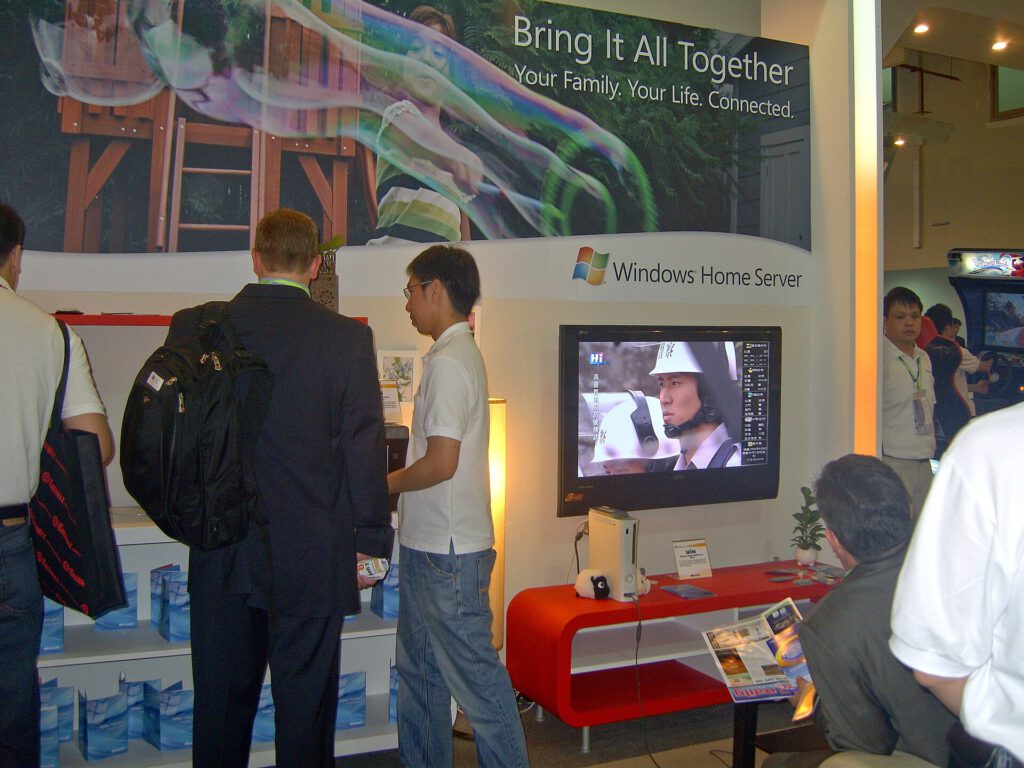
A dedicated media server addresses this issue by centralizing content. Software solutions like Plex or Jellyfin allow users to organize personal media libraries and stream them to various devices in the home. By consolidating viewing habits into a single, self-hosted platform, users can cancel redundant subscriptions. This shift can result in substantial savings over the course of a year.
The financial benefit extends beyond just entertainment. Many users also rely on third-party cloud storage services to back up photos, videos, and important documents. These services often charge recurring fees that increase as storage needs grow. A home server eliminates these ongoing costs by providing local, unlimited storage capacity.
Hardware Upgrades and Long-Term Value
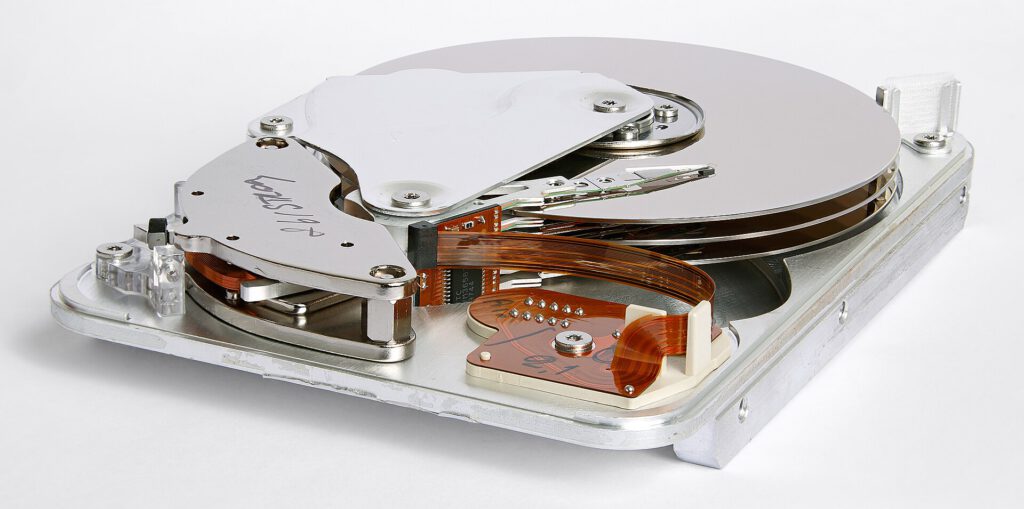
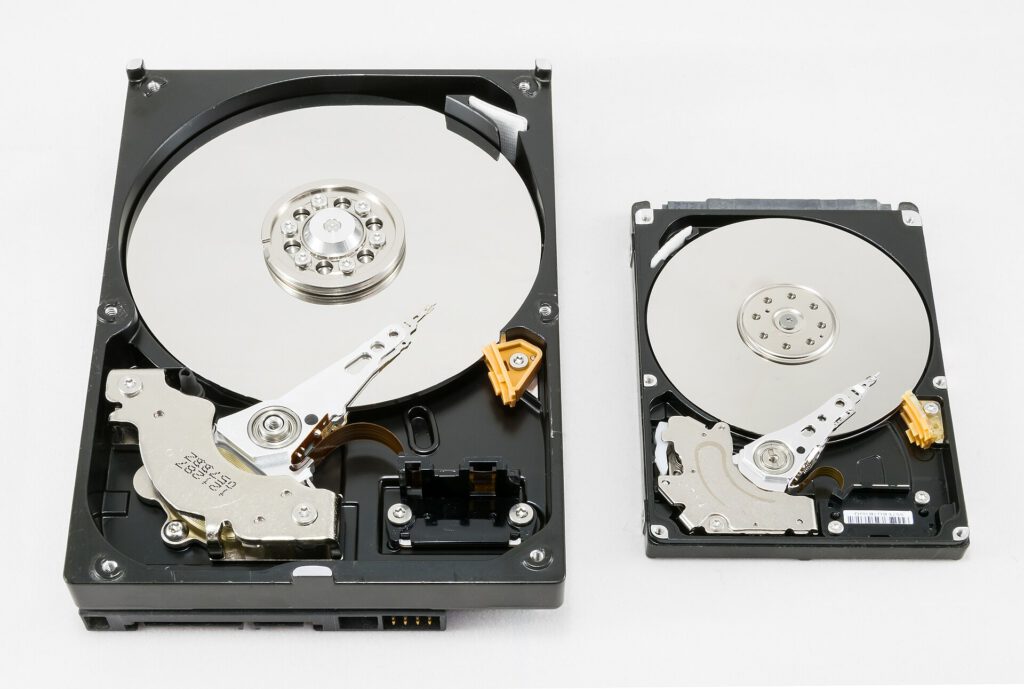
One of the primary advantages of a self-hosted setup is its scalability. Unlike fixed-capacity cloud plans, a physical server can be upgraded as data needs increase. Adding more hard drives is a simple process that allows users to expand storage without paying premium subscription rates.
Using an older computer for this purpose also serves as an educational stepping stone. Building and maintaining a server provides hands-on experience with hardware components and network configuration. This knowledge can be applied to future custom PC builds or IT projects, potentially saving money on professional services or new purchases.
The initial investment is minimal if the hardware is already owned. For those who do need to purchase components, the cost is typically lower than the cumulative fees of cloud services over a few years. This makes the project a financially sound decision for budget-conscious consumers.
As digital media consumption continues to rise, finding ways to manage costs becomes increasingly important. Transforming obsolete electronics into a functional home server provides a tangible solution to rising digital expenses.
Source: Engadget
