


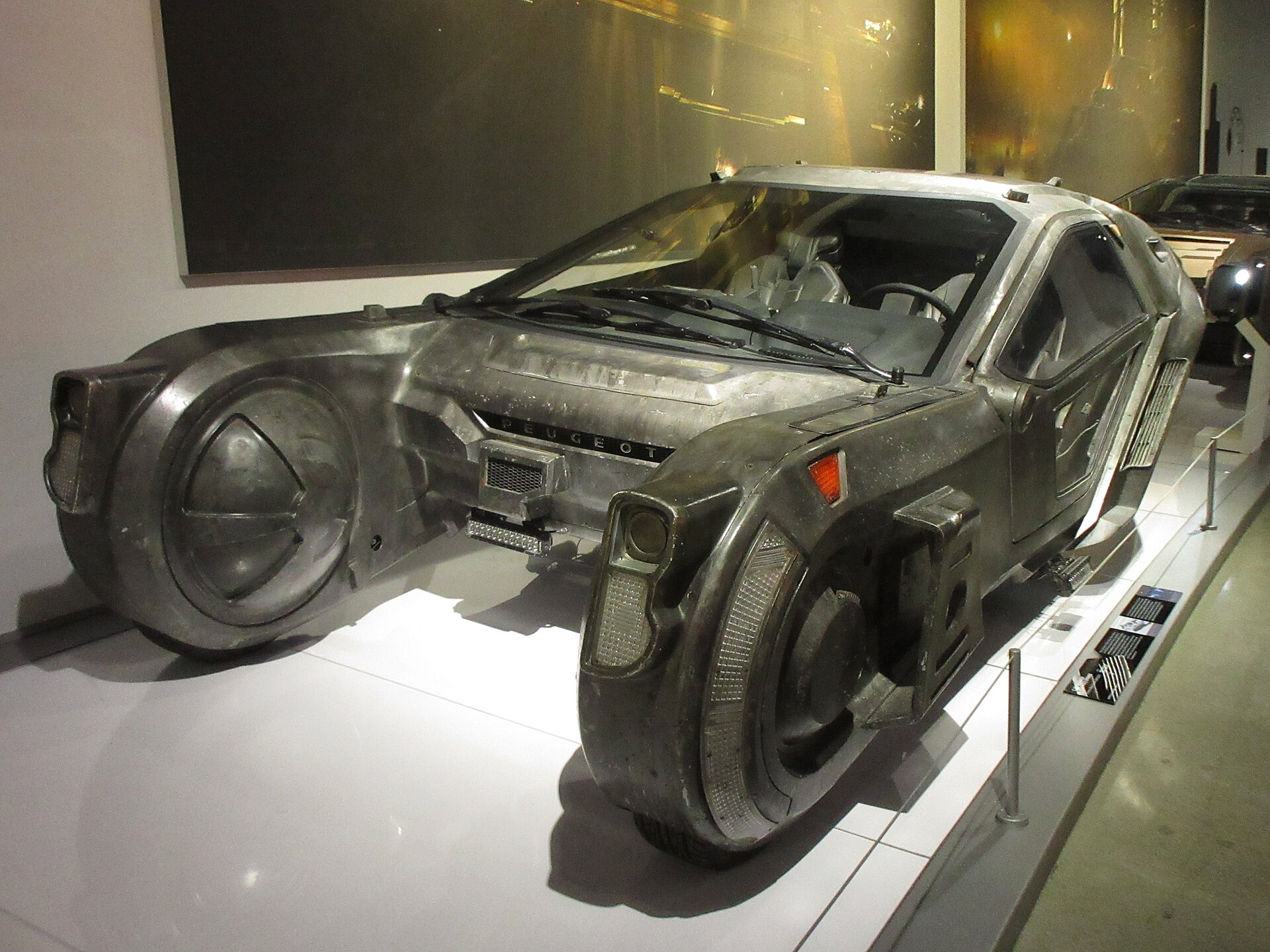
Ridley Scott’s 1982 science fiction film Blade Runner has reached its final form on digital platforms. The Blade Runner Final Cut is currently available for rent on major streaming services including Prime Video, YouTube, and Apple TV. This release marks the culmination of a long production history that saw the film undergo five different iterations before settling into the version Scott originally intended.
A Definitive Version After Years of Conflict
The journey to this specific cut of the film was marked by significant tension between the director and the studio. Scott has described the production as one of the most infamous struggles in Hollywood history. The original theatrical release in 1982 received mixed reviews and underperformed at the box office. Critics and audiences at the time struggled with the film’s contemplative pace and the mandatory voice-over narration, which Harrison Ford reportedly disliked recording.
Scott revealed in a recent interview with IndieWire that the initial reception created rifts within the creative team. He noted that Ford did not initially understand the film’s meaning, particularly the recurring origami motif that hints at the protagonist’s true nature. The screenwriter Hampton Fancher was also upset by the changes, telling Scott he had ruined the script. These conflicts led to a series of edits, including the addition of the voice-over and a more optimistic ending, which diverged from Scott’s noir-inspired vision.
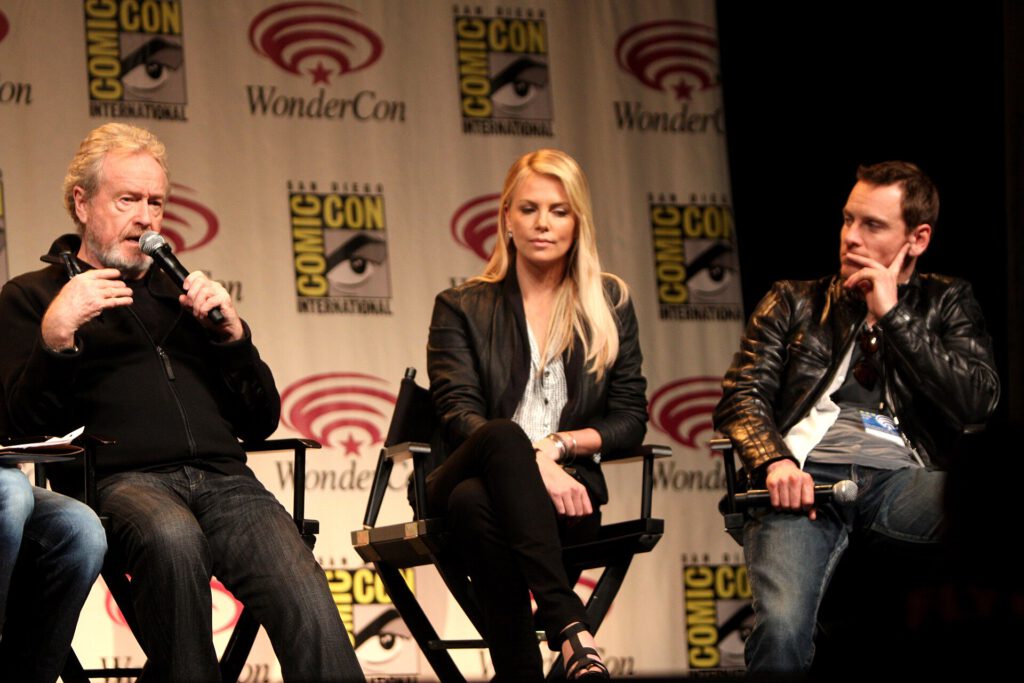
Over the following decades, various cuts were released to address these issues. The Director’s Cut in 1992 removed the voice-over, and subsequent versions refined the visual effects. The 2007 Final Cut removed the remaining theatrical alterations and restored Scott’s intended pacing and tone. It is now widely acknowledged as the definitive way to experience the story.
Impact on Cyberpunk and Modern Media
Despite its initial commercial struggles, the film reshaped the science fiction genre. It moved away from the optimistic pulp storytelling of the 1970s, such as Star Wars, and introduced a darker, more cynical perspective influenced by corporate anxiety and artificial intelligence. The film’s depiction of a polluted, neon-lit Los Angeles in 2019 helped define the cyberpunk aesthetic.
This visual and thematic influence persists in modern media. William Gibson’s novel Neuromancer, released two years after the film, helped solidify the genre’s literary foundation. Contemporary works like the Cyberpunk 2077 video game and its associated animation franchise draw heavily from Scott’s depiction of a dystopian future. The film’s exploration of bioengineered humanoids, known as replicants, and their quest for identity remains a central theme in science fiction.
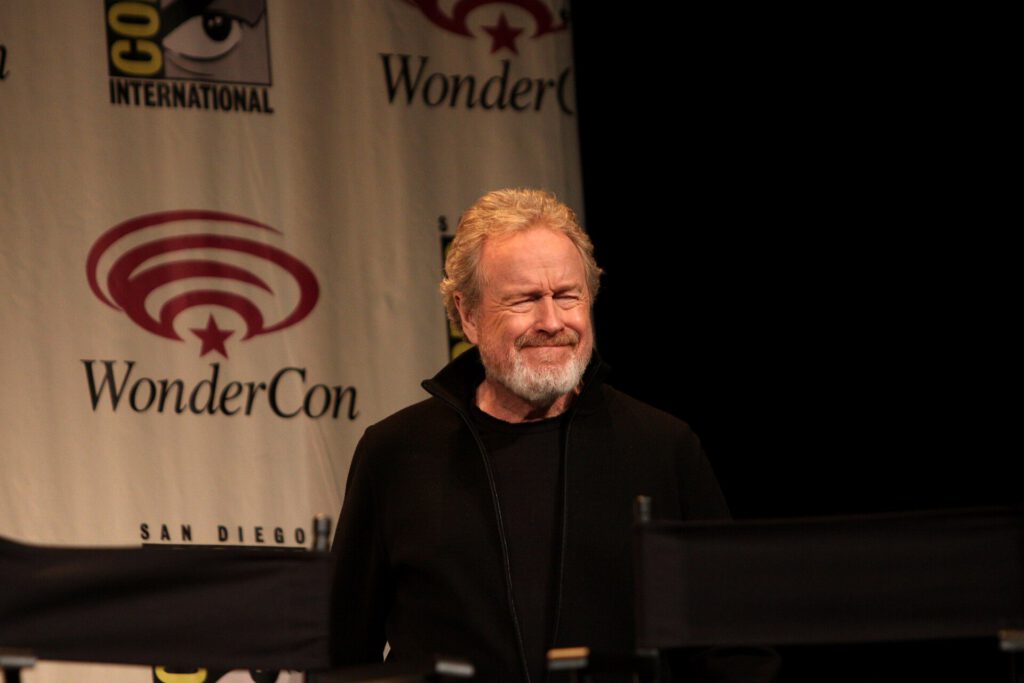
The plot follows Rick Deckard, played by Harrison Ford, a retired police officer tasked with hunting down fugitive replicants. These androids are stronger and smarter than humans but have a limited four-year lifespan. Deckard’s mission becomes complicated when he falls in love with Rachael, a replicant working for the Tyrell Corporation. The story culminates in a confrontation with Roy Batty, the leader of the fugitives, who questions the nature of his existence and his impending death.
Scott, known for his prolific output in Hollywood, has cited Blade Runner as one of his favorite films. The availability of the Final Cut allows new audiences to access the version of the movie that represents his complete artistic vision, free from the compromises made during its initial release.
Source: Polygon
