


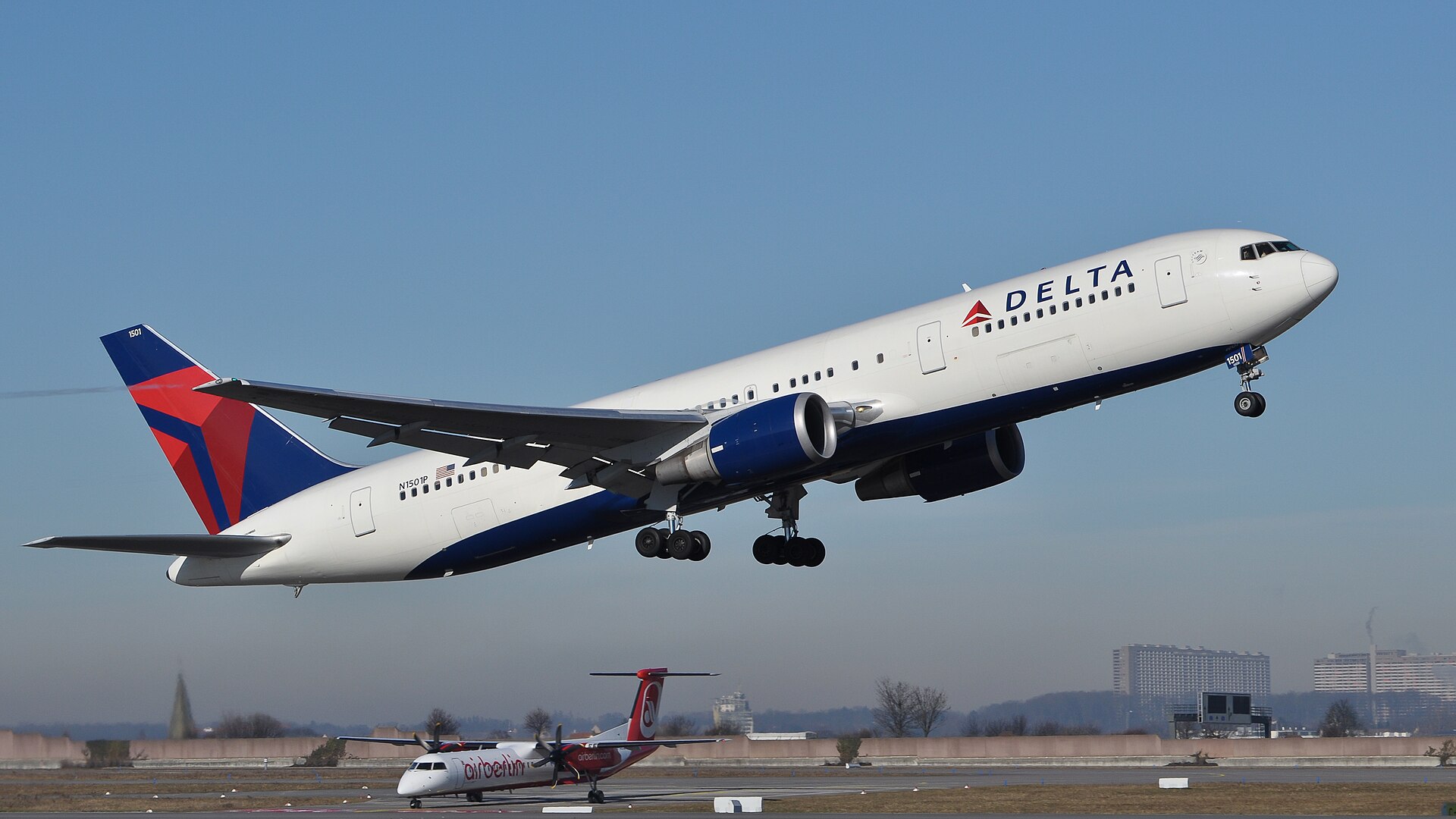
The US Federal Trade Commission has initiated a formal inquiry into Delta Air Lines, United Airlines, and JetBlue, requiring them to disclose how they determine ticket prices. The investigation centers on whether these carriers use personal customer data to set individualized fares, a practice critics have labeled as surveillance pricing.
Under Section 6(b) of the FTC Act, the three airlines have 45 days to provide detailed explanations of their pricing methodologies. The commission aims to scrutinize the opaque systems that tech companies and service providers often use to calculate costs for consumers. This action is part of a broader review involving nine companies, including ride-hailing giants Uber and Lyft, delivery services DoorDash and Instacart, and retailers Target and Walmart.
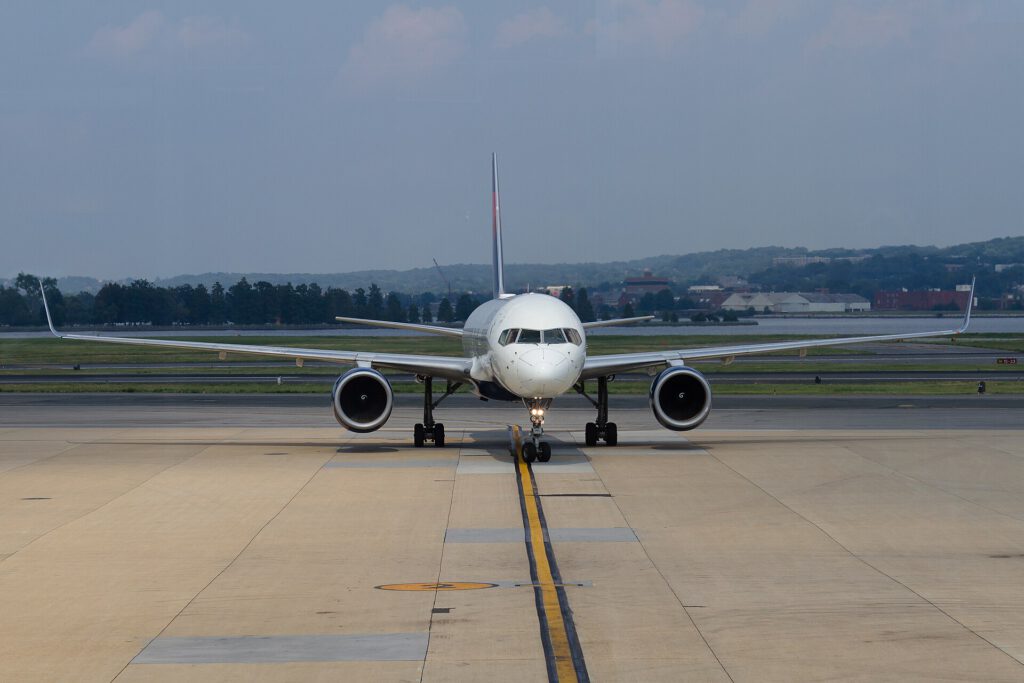
Delta and JetBlue Face Specific Scrutiny
Delta Air Lines has drawn particular attention for its partnership with Fetcherr, an Israeli artificial intelligence firm. The airline utilizes a dynamic pricing tool developed by the company to adjust fares based on market conditions. Delta has firmly denied that this system uses personal data to target specific customers with higher prices. Peter Carter, Delta’s Executive Vice President and Chief External Affairs Officer, stated that the AI tool only receives route-level demand and market information. He emphasized that the final fares published by the airline do not account for any individual customer’s personal data.
JetBlue is also under the microscope following a class action lawsuit. The legal challenge stems from a viral social media interaction where the airline advised a customer who saw a significant fare increase to clear their browser cookies or use an incognito window. JetBlue maintains that its fares are determined solely by demand and seat availability, ensuring that all passengers booking through its website or app see the same prices. The airline has rejected the allegations made in the lawsuit.
Regulatory Limits and Legislative Push
FTC Chairman Andrew Ferguson highlighted the core concern driving the probe. He stated that consumers deserve to know whether companies use web surfing habits or other personal data to estimate the highest price they can charge each consumer. The investigation extends beyond base ticket prices to include how discounts, promotions, paid upgrades, and loyalty program memberships like Delta SkyMiles, United MileagePlus, and JetBlue TrueBlue influence final costs.
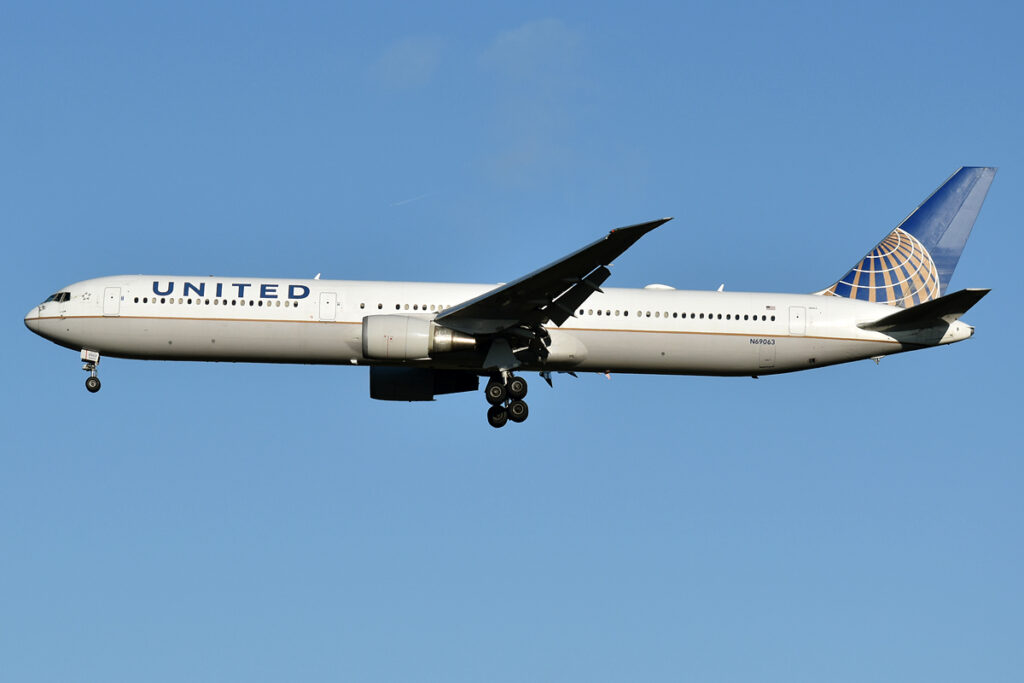
While the FTC is gathering information, it lacks direct enforcement power over airlines if wrongdoing is found. Any penalties for unfair or deceptive practices would fall under the jurisdiction of the US Department of Transportation. Transportation Secretary Sean Duffy has previously indicated that the DOT would engage strongly if any airline used AI to individually price seats.
Legislative efforts are also underway to address these concerns. Senator Ruben Gallego introduced the One Fair Price Act last December, which seeks to ban surveillance pricing and grant the FTC enforcement powers over airlines. The bill is currently under review by Congress.
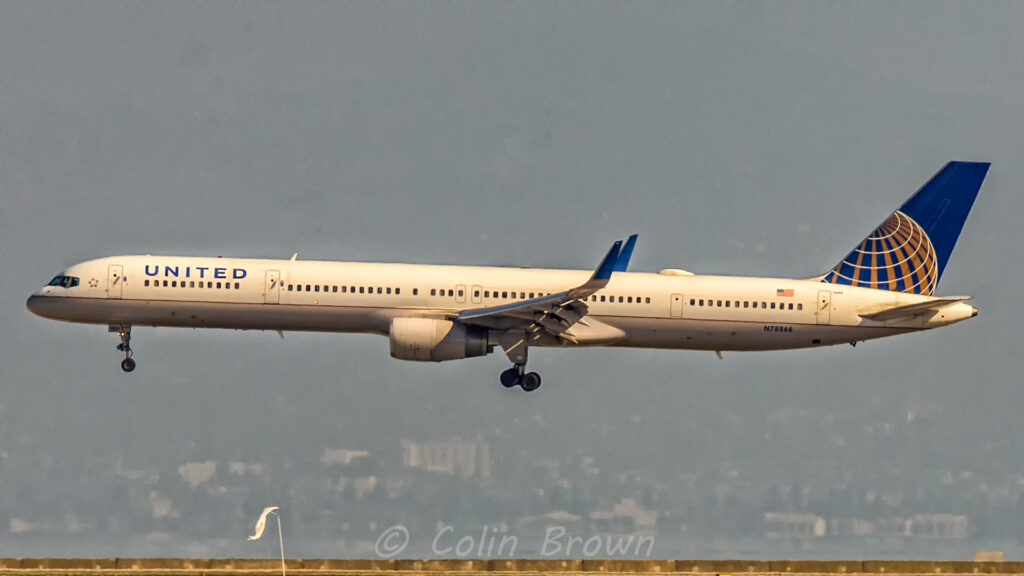
American Airlines is not included in this specific FTC investigation. CEO Robert Isom stated last year that using AI to determine fares was not appropriate and constituted a bait-and-switch approach. He added that the airline would not use AI systems to set or manipulate fares on an individual basis. United Airlines has not yet issued a public comment regarding the FTC order.
Source: Simple Flying
