


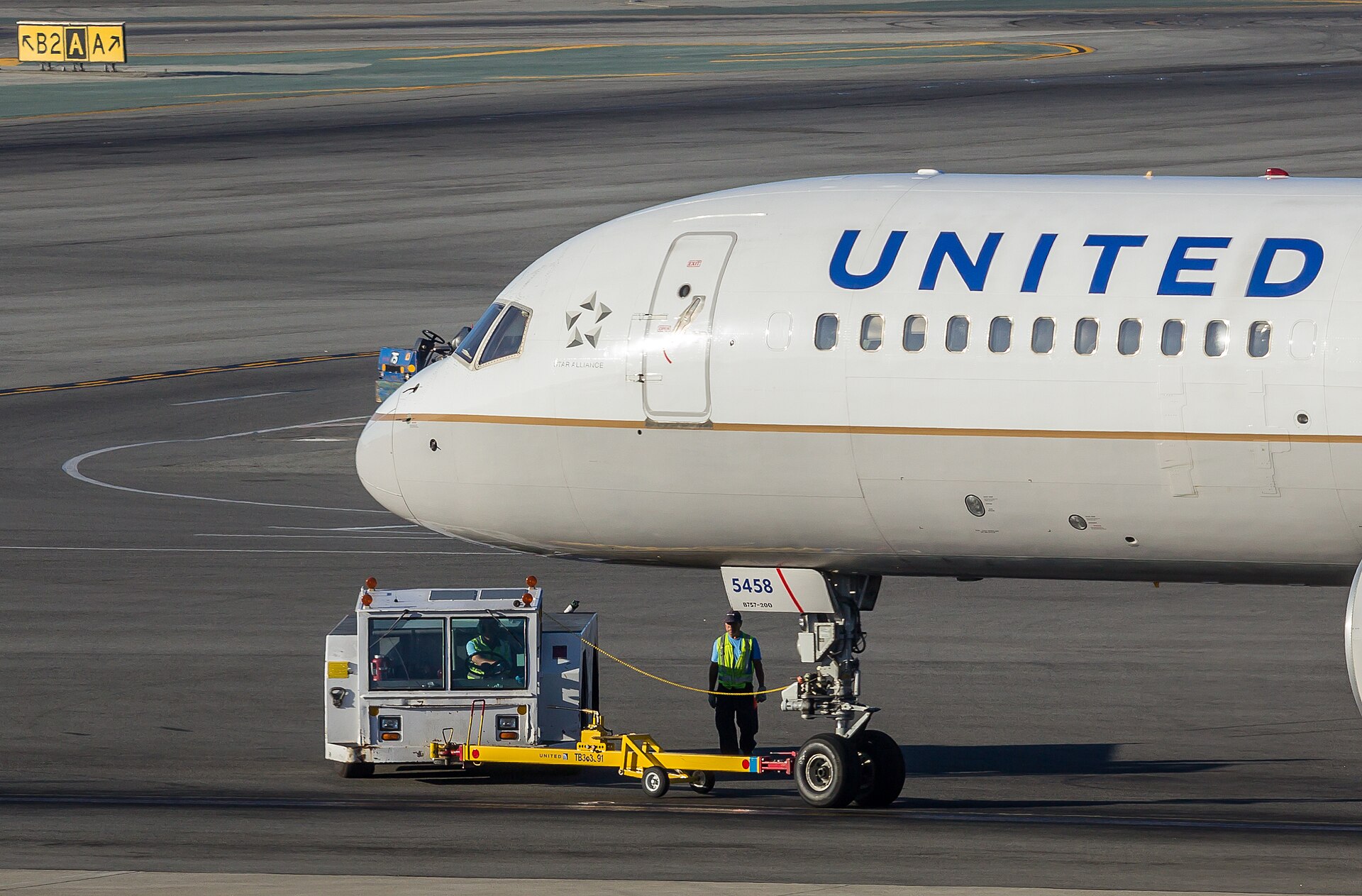
A United Airlines Boeing 757 declared a fuel emergency on Friday morning after aborting its landing approach at San Francisco International Airport (SFO). The aircraft, operating as flight UA1023 from Boston Logan International Airport, went around before climbing to a holding pattern and eventually landing safely.
The incident occurred around 11:11 AM local time. Air traffic control audio obtained by Simple Flying shows the controller cleared the aircraft to land on Runway 28R. The controller also warned the flight crew about wake turbulence from a Boeing 787 Dreamliner that had landed ahead of it, along with a slight five-knot tailwind.
Aborted Landing and Mayday Call
ADS-B data indicates the Boeing 757-200, registered as N19117, began climbing at approximately 75 feet above the runway threshold. The pilot initiated a go-around, later citing an unstable approach as the reason for the maneuver. Moments after climbing to 5,000 feet, the crew transmitted a “Mayday, Mayday, Mayday” call, reporting a fuel emergency.
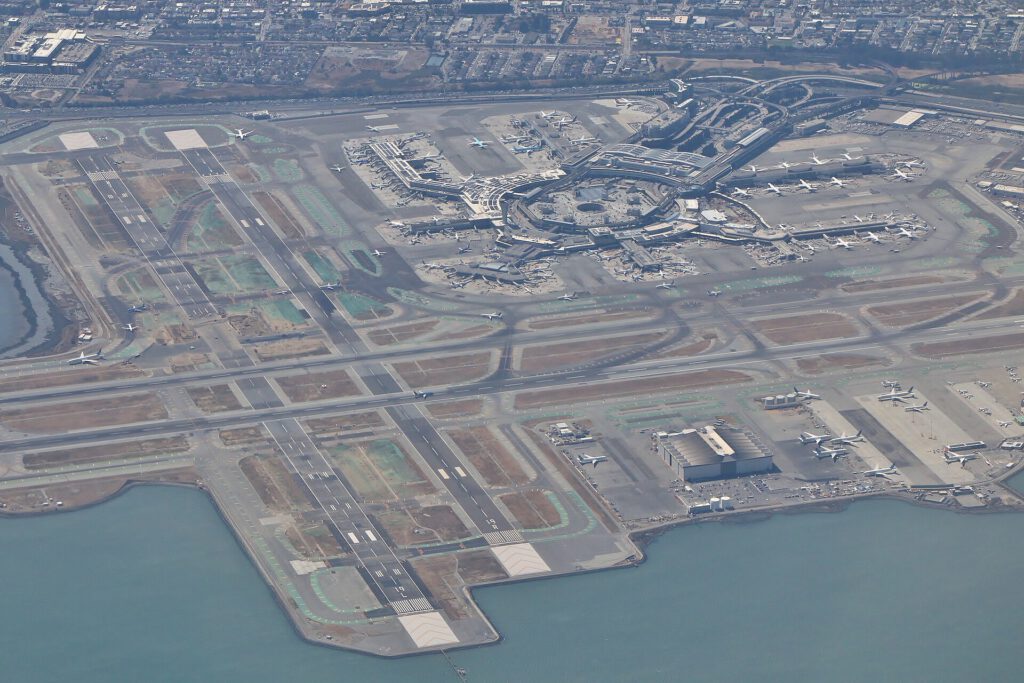
The flight crew reported having 5,200 pounds of fuel remaining. This amount is close to the minimum threshold for a Boeing 757-200, though it remains within operational limits. The aircraft, carrying 97 people, was cleared for a second landing attempt on Runway 28R. It touched down safely at 11:24 AM, 14 minutes after the initial go-around. No injuries were reported.
United Response and Emergency Protocols
Simple Flying contacted United Airlines for comment regarding the incident. A spokesperson stated that “the crew did not declare an emergency,” despite the audio recording clearly showing the use of the word “Mayday.” The spokesperson confirmed the flight carried 91 passengers and six crew members.
Under standard aviation protocols, a change to an emergency transponder squawk code is typical during emergencies. However, this is not strictly required if the crew has already communicated the situation via radio. In this case, the aircraft did not change its squawk code. Pilots have the discretion to declare an emergency based on their assessment of the situation.
FAA rules require US airlines on domestic flights to carry enough fuel to reach their destination and an alternate airport, plus an additional 45 minutes of flying time. Pilots can first declare “minimum fuel” to alert air traffic control that they cannot handle further delays. A “Mayday” call indicates the aircraft requires immediate assistance and prioritization for landing.
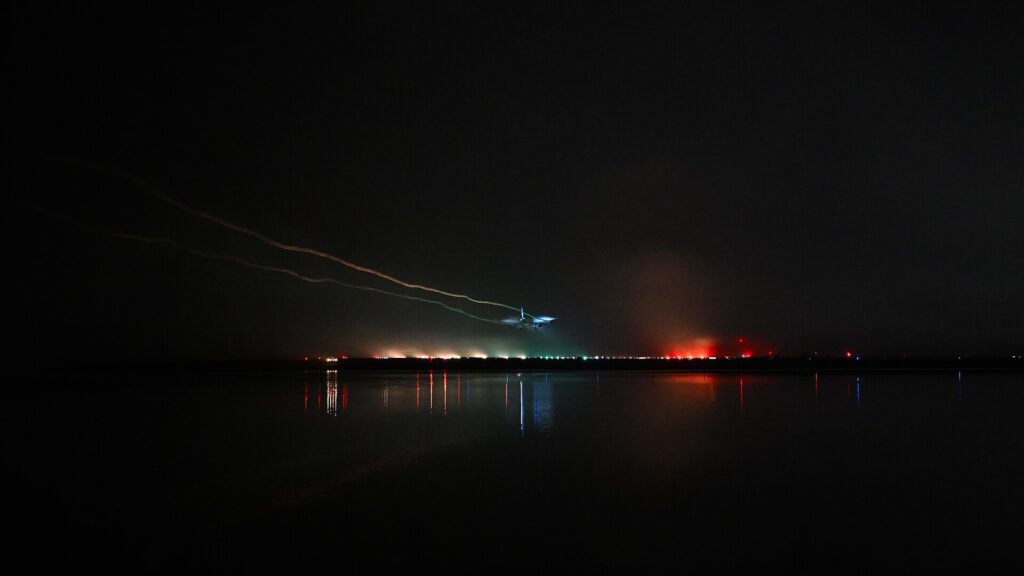
This event follows another low-fuel incident involving United Airlines just five days earlier. On Sunday, October 25, flight UA1854 from Grand Cayman to Houston declared an emergency after its right main landing gear failed to extend. Pilots on that flight reported having only 10 to 12 minutes of fuel remaining.
Fuel emergencies are among the most serious situations a crew can face. They leave pilots with limited time to reach an airport before fuel levels become critical. A fuel emergency does not necessarily mean the aircraft is moments away from running out of fuel. It signals that the remaining fuel requires immediate attention and that further delays cannot be accepted.
Source: Simple Flying
