


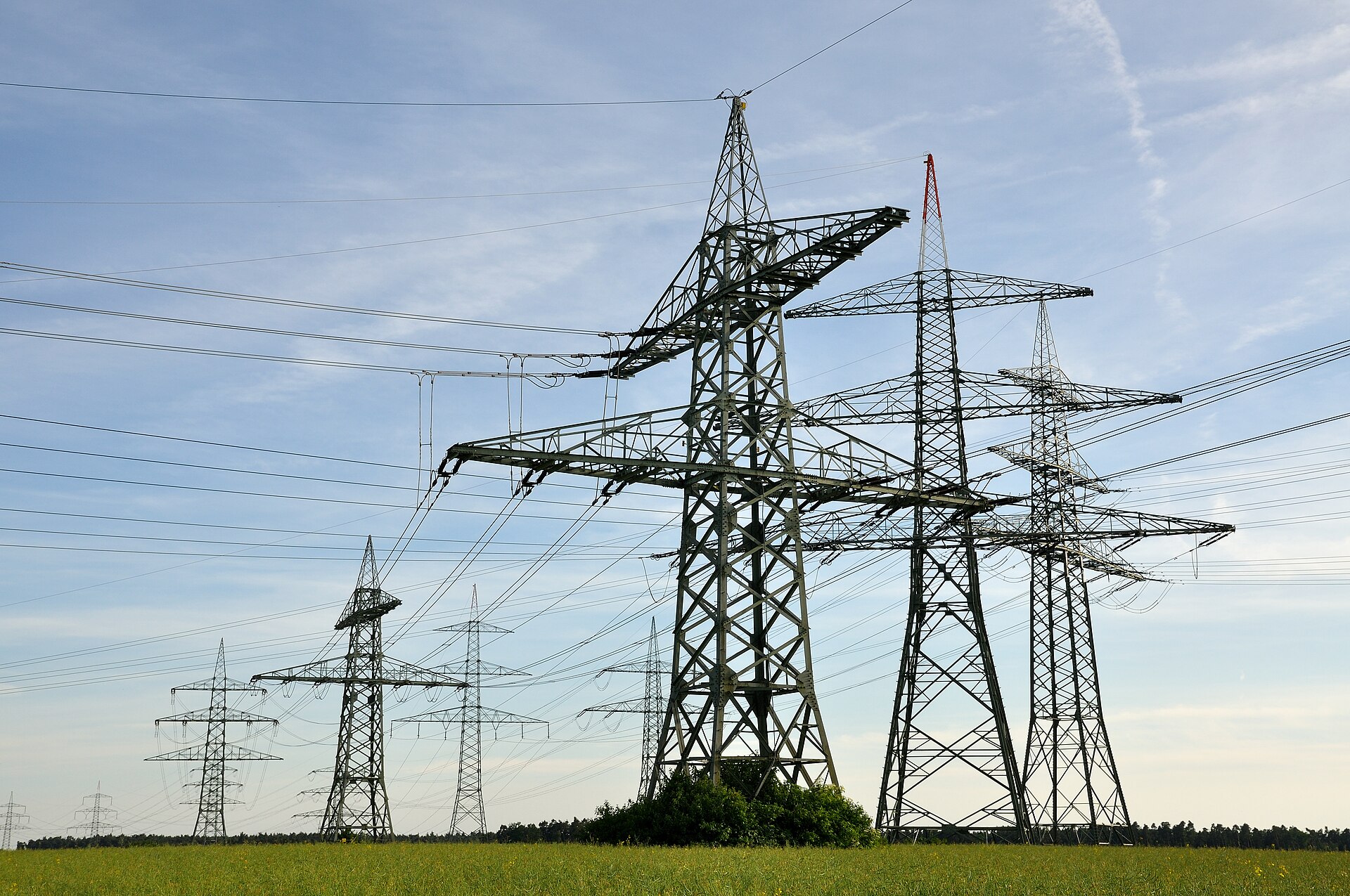
National Grid has moved forward with plans to construct the United Kingdom’s largest electricity substation on Teesside, a development aimed at supporting the country’s expanding artificial intelligence sector. The energy infrastructure company recently finalized an agreement to purchase 29.5 hectares of land at Dorman Point, a site managed by the Teesworks partnership.
Powering the AI Boom
The acquisition of the land at Dorman Point is a direct response to the growing demand for high-capacity energy supplies required by large-scale digital infrastructure. The substation is expected to provide up to 3.2 gigawatts of capacity, a figure that local officials argue is essential for competing in the global market for datacentre investment.
Ben Houchen, mayor of the Tees Valley combined authority, emphasized the strategic importance of this power capacity. He noted that the United Kingdom has historically lagged behind the United States, the Gulf region, and parts of Europe in securing datacentre projects due to power constraints. Having reliable access to such a massive amount of electricity allows the region to compete directly for these high-value industrial projects.
Houchen also highlighted the national security implications of the project. He argued that if the UK intends to maintain its own AI capabilities, the physical infrastructure for sensitive data must remain on British soil rather than being hosted in locations like Texas or Abu Dhabi.
Government Policy and Local Opposition
The project aligns with the UK government’s recent draft national policy statement on datacentres, which describes these facilities as fundamental to the economy, comparable to railways and electricity networks. The government has stated it intends to take greater control over datacentre development to ensure that host communities benefit from the economic activity.
However, the rapid expansion of datacentre infrastructure has faced significant resistance from local communities across the country. Campaign groups have organized protests against planned developments in various locations, ranging from Auchtertool in Scotland to Brick Lane in east London. Industry insiders have warned ministers that they have a limited window to address public concerns before opposition reaches the level seen in the United States, which could threaten construction timelines.
Matt Pearce, head of land at National Grid, described the land purchase as a result of constructive work between all parties involved. He stated that the project reflects a commitment to progressing the development as quickly as possible to support the growth of AI and digital technologies in the region.
Construction of the substation is expected to be delivered by Balfour Beatty, with utilities firm Steel River Power also playing a major role in the project. The site is located near a planned datacentre that would span nearly 500,000 square metres, a scale that underscores the immense energy requirements of modern AI computing.
Source: The Guardian
