


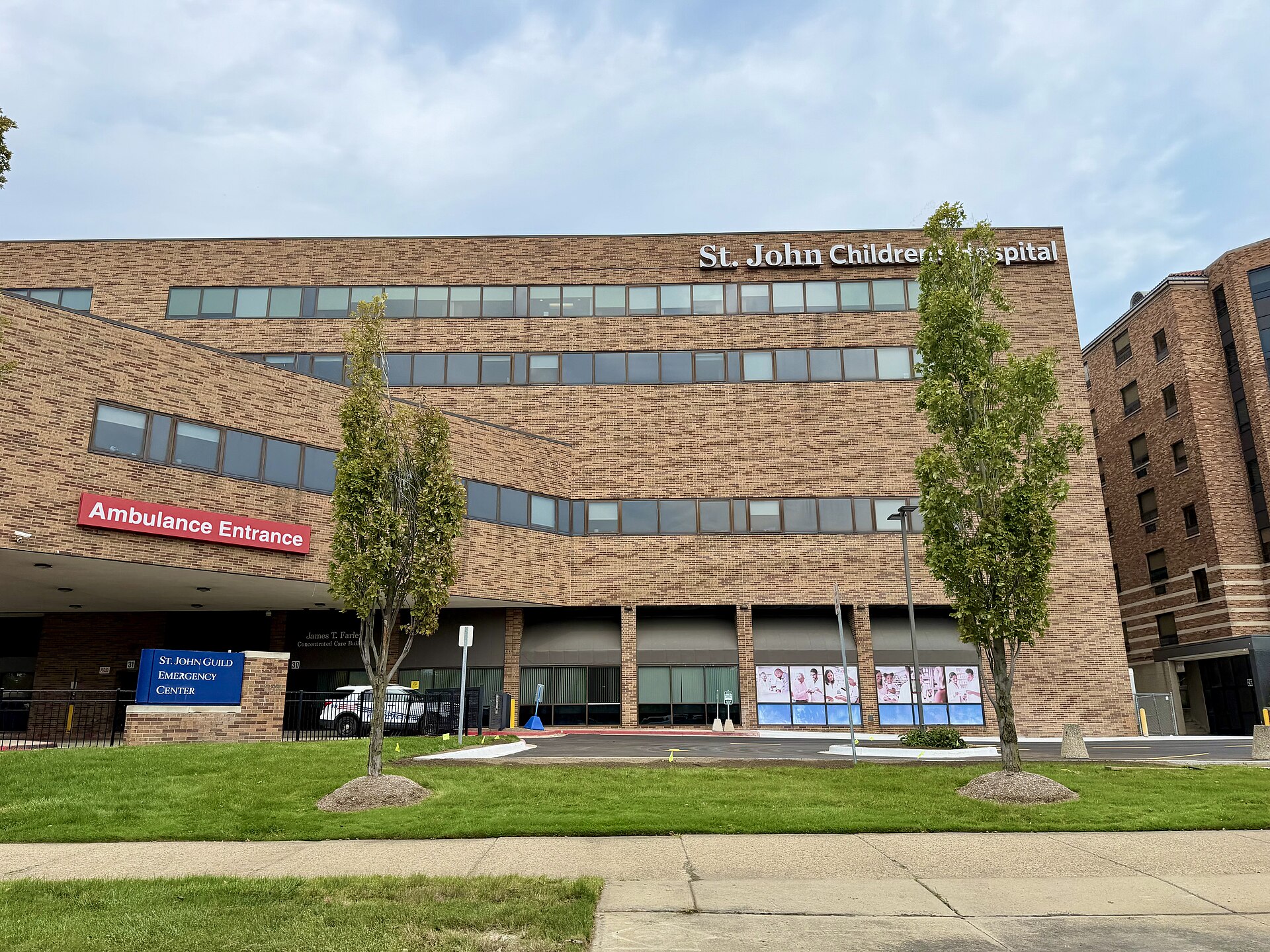
Betsi Cadwaladr University Health Board, which serves roughly a quarter of Wales’s population, has announced plans to close urgent primary care centres at three hospitals. The proposed closures affect facilities in Holyhead, Tremadog, and Bangor, with the shutdowns scheduled to take effect by April 2027.
The health board cited ongoing difficulties with funding and staff recruitment as the primary drivers for the consultation. The centres in question are located at Ysbyty Penrhos Stanley in Holyhead, Ysbyty Alltwen in Tremadog, and Ysbyty Gwynedd in Bangor.
Political and Medical Backlash
The announcement has triggered immediate criticism from local politicians and medical professionals. Members of the Senedd and Members of Parliament from across the political spectrum have written to the board to warn of “dire consequences” resulting from the cuts.
Janet Finch-Saunders, the Conservative MS for Bangor Conwy Môn, emphasized the critical role these centres play in the local healthcare infrastructure. She noted that the facilities help relieve pressure on accident and emergency departments for patients who cannot secure a standard GP appointment but require immediate attention.
“It is vital that [the health board] supports these centres to remain open,” Finch-Saunders said. “Without them, existing waiting times could increase, potentially leading to delays in treatment.”
Opponents argue that removing these centres will exacerbate the very strains on emergency services that the centres were originally designed to alleviate. The centres, which opened across Wales in 2020, are staffed by general practitioners, advanced nurse practitioners, and physiotherapists.
Systemic Financial Pressures
The proposal comes against a backdrop of severe financial strain across the Welsh NHS. The health board has been under special measures since 2015 due to longstanding concerns regarding care quality, patient safety, and leadership. In June, officials were given a “final chance” to improve their performance metrics.
NHS spending now consumes nearly half of the Welsh government’s £27.5bn budget. Despite significant funding increases, the Welsh NHS has fallen behind other UK nations in several key performance indicators. A recent audit found that six of the country’s seven health boards failed to meet their statutory duty to break even over a three-year period.
Carol Shillabeer, the chief executive of Betsi Cadwaladr, stated in a release that access to urgent and emergency care remains a priority for the board. However, the financial reality has forced difficult decisions. In September, Powys health board announced similar consolidation plans, including the potential closure of 100 community hospital beds and the merging of minor injury services.
Public opinion polls indicate that the NHS is the top concern for Welsh voters. Turning around the health service is viewed as the most significant fiscal challenge facing the new Plaid Cymru government, which took office in May.
Source: The Guardian
