


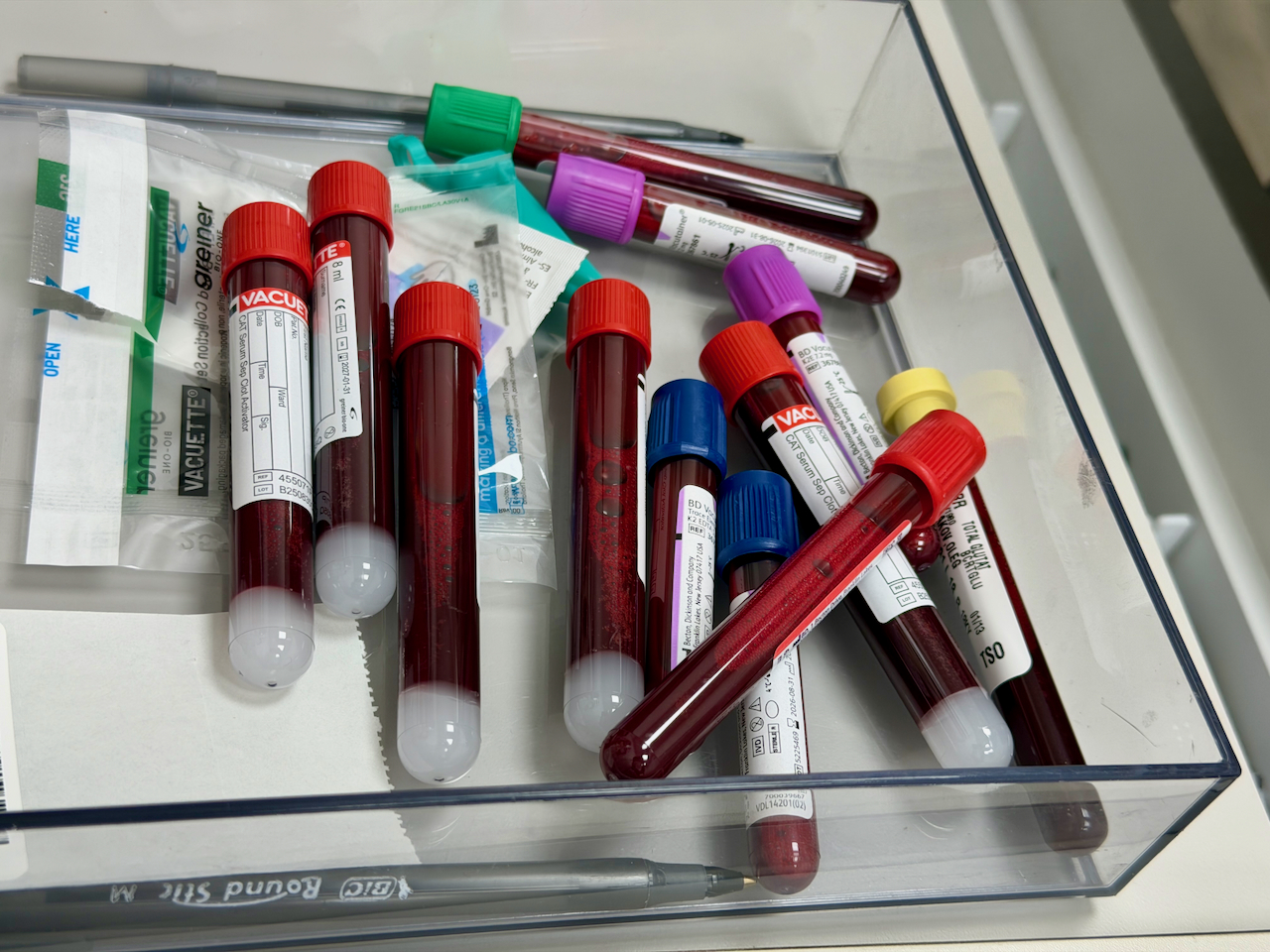
The National Health Service in England has begun a trial offering multi-cancer blood tests at approximately 200 general practitioner surgeries. The initiative, known as the STRIDE-RCT trial, is designed to identify hard-to-diagnose abdominal cancers at an earlier stage than is currently possible with standard diagnostic methods.
Targeting Abdominal Cancers
The primary goal of the trial is to catch cancers of the abdomen, including those affecting the liver, ovaries, and pancreas, before they spread. These specific diseases are often diagnosed only after symptoms become severe, which significantly reduces the chances of successful treatment. According to government data, around 71,000 people in England are diagnosed annually with pancreatic, stomach, liver, ovarian, or bowel cancer, and nearly 35,000 die from these diseases each year.
Professor Peter Johnson, the national clinical director for cancer at NHS England, noted that detecting abdominal cancer is notoriously difficult. He explained that symptoms such as pain or persistent bloating are frequently mistaken for less serious conditions, leading to delayed referrals for further investigation.
The trial will enroll more than 20,000 patients aged 45 and over who present with these vague symptoms. Participants will provide one or two tubes of blood during their routine GP visits. Scientists will then analyze these samples for proteins or fragments of DNA that may signal the presence of cancer.
Testing Accuracy and Scope
The STRIDE-RCT trial, led by the University of Birmingham, will assess whether these tests are accurate enough for wider adoption across the NHS. The tests aim to pinpoint the location of tumors in the body, covering a wide range of cancers including bowel, small bowel, stomach, esophageal, pancreatic, liver, bile duct, gallbladder, ovarian, endometrial, kidney, bladder, and prostate cancer.
Health Secretary Yvette Cooper stated that she hopes simple blood tests like these will help identify patients needing urgent investigation much sooner. Michelle Mitchell from Cancer Research UK described the trial as an important step toward giving GPs better tools to navigate diagnostic uncertainty.

Researchers emphasize that a positive result does not automatically confirm cancer, nor does a negative result guarantee a patient is cancer-free. The trial is strictly observational and aims to determine if these tests can reliably guide doctors in deciding which patients require further, more invasive investigations.
This effort follows a separate NHS trial of a test called Galleri, which recently failed to meet its main goal of reducing late-stage cancer diagnoses. However, researchers are still assessing the potential benefits of that earlier study. The current STRIDE-RCT trial represents a continued effort to refine early detection methods for cancers that remain challenging to diagnose in their initial stages.
Source: BBC
