


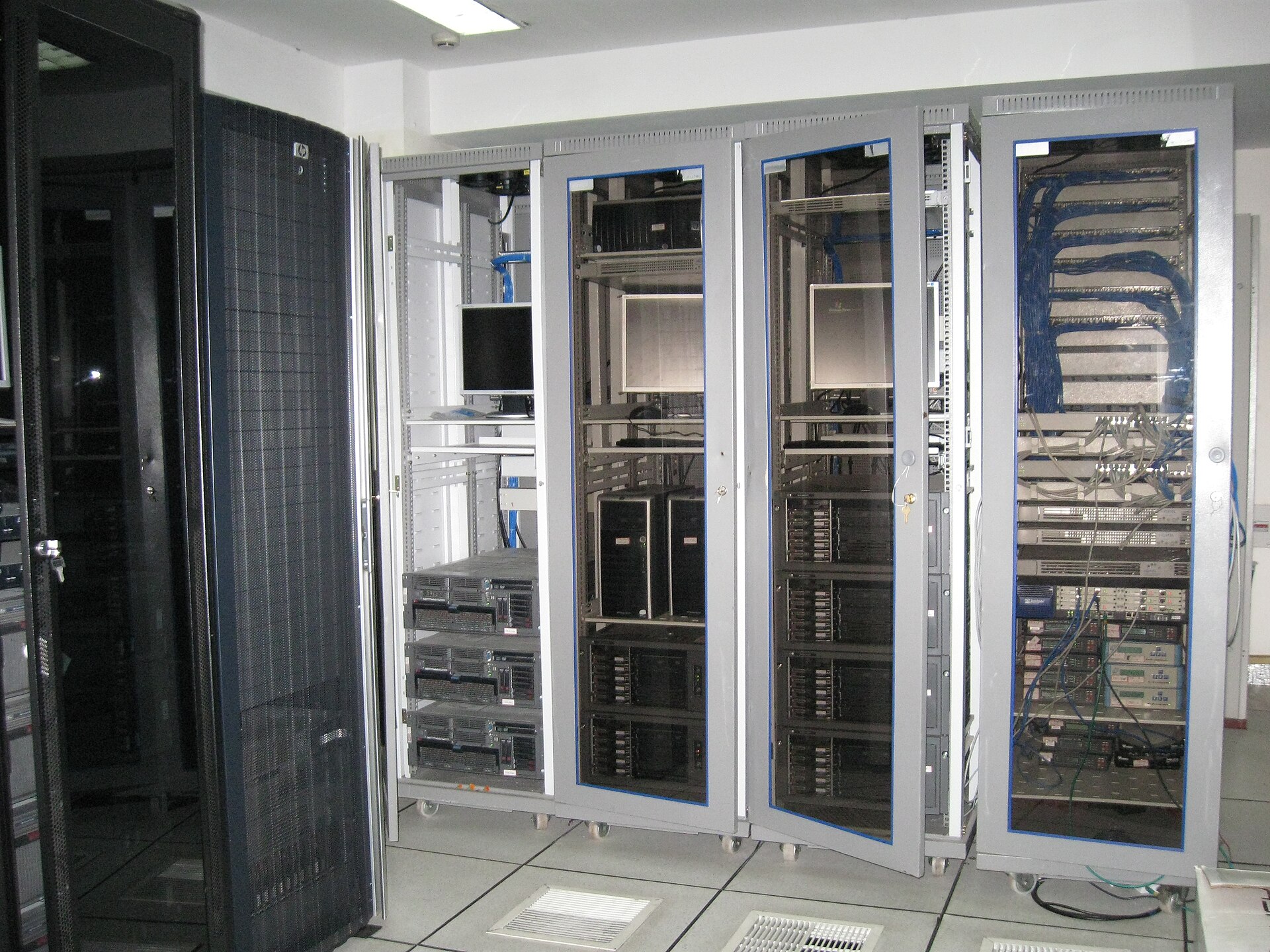
Russian technology companies are racing to harden their digital infrastructure following a series of Ukrainian drone strikes that damaged facilities housing artificial intelligence supercomputers and disrupted cloud services for millions of users. In response to these vulnerabilities, the Kremlin has issued new decrees requiring data center operators to reserve computing capacity for emergency state needs and has authorized the potential use of foreign data centers.
Putin Decree Reserves Capacity and Allows Foreign Cloud Use
On November 2, President Vladimir Putin signed a decree ordering Russian data center operators to set aside 10 percent of their available space and capacity for government use, according to the independent Russian news outlet Meduza. This move signals growing concern within the Kremlin regarding the fragility of Russia’s cloud computing infrastructure during its ongoing war with Ukraine.
The decree also empowers a special government commission to authorize the use of foreign data centers in consultation with the Federal Security Service. This represents a significant shift in policy, as Putin and the Russian parliament previously enacted the “Sovereign Internet Law,” which blocked Russian companies from using cloud computing infrastructure located outside Russia’s borders.
Yandex Supercomputers Relocated After Strikes
The push for hardened infrastructure comes after Ukrainian drone strikes specifically targeted key Russian data centers, degrading or knocking out services operated by major entities including the tech giant Yandex, the state-owned bank Sberbank, social media platform VKontakte, and the Russian Ministry of Finance. These attacks have caused widespread disruptions for popular payment apps, digital banking services, e-commerce platforms, video streaming services, and ride-hailing applications.
Yandex has been forced to relocate all three of its main supercomputers after Ukrainian drone strikes targeted the AI data centers where they were originally housed, Meduza reported. This relocation highlights the immediate operational impact of the strikes on Russia’s most prominent technology companies.

Plans for Underground Facilities and Camouflage
In an effort to protect critical assets, state-owned telecommunications company Rostelcom has raised the possibility of moving some Russian data centers underground in talks with the nickel and palladium mining company Norilsk, according to the Russian newspaper Vedomosti. The industry publication Data Center Dynamics also noted a recent proposal by a Russian regional governor to build data centers within open-pit coal mines while planting green public parks above as camouflage.
These measures contrast sharply with Ukraine’s approach to digital resilience. Ukraine’s decentralized digital services have proven more resilient despite years of Russian drone and missile attacks, particularly as the government has taken steps to disperse crucial energy and telecommunications nodes and bury more supporting infrastructure underground. A major boost to this resilience came from US tech giants Amazon and Microsoft, which helped Ukraine migrate government resources and other crucial digital services to cloud regions elsewhere in Europe shortly after Russia launched its full-scale invasion in February 2022. The Ukrainian government has also utilized SpaceX’s Starlink satellite terminals, paid for by the United States and European countries such as Poland and Germany, as a backup communications system.
Russia’s previous push for a sovereign and increasingly closed internet resulted in a highly centralized system under a few Russian tech companies like Yandex. This hyper-centralized structure has now proven vulnerable during wartime, as the concentration of infrastructure made it a prime target for Ukrainian retaliation.
Source: Ars Technica
