


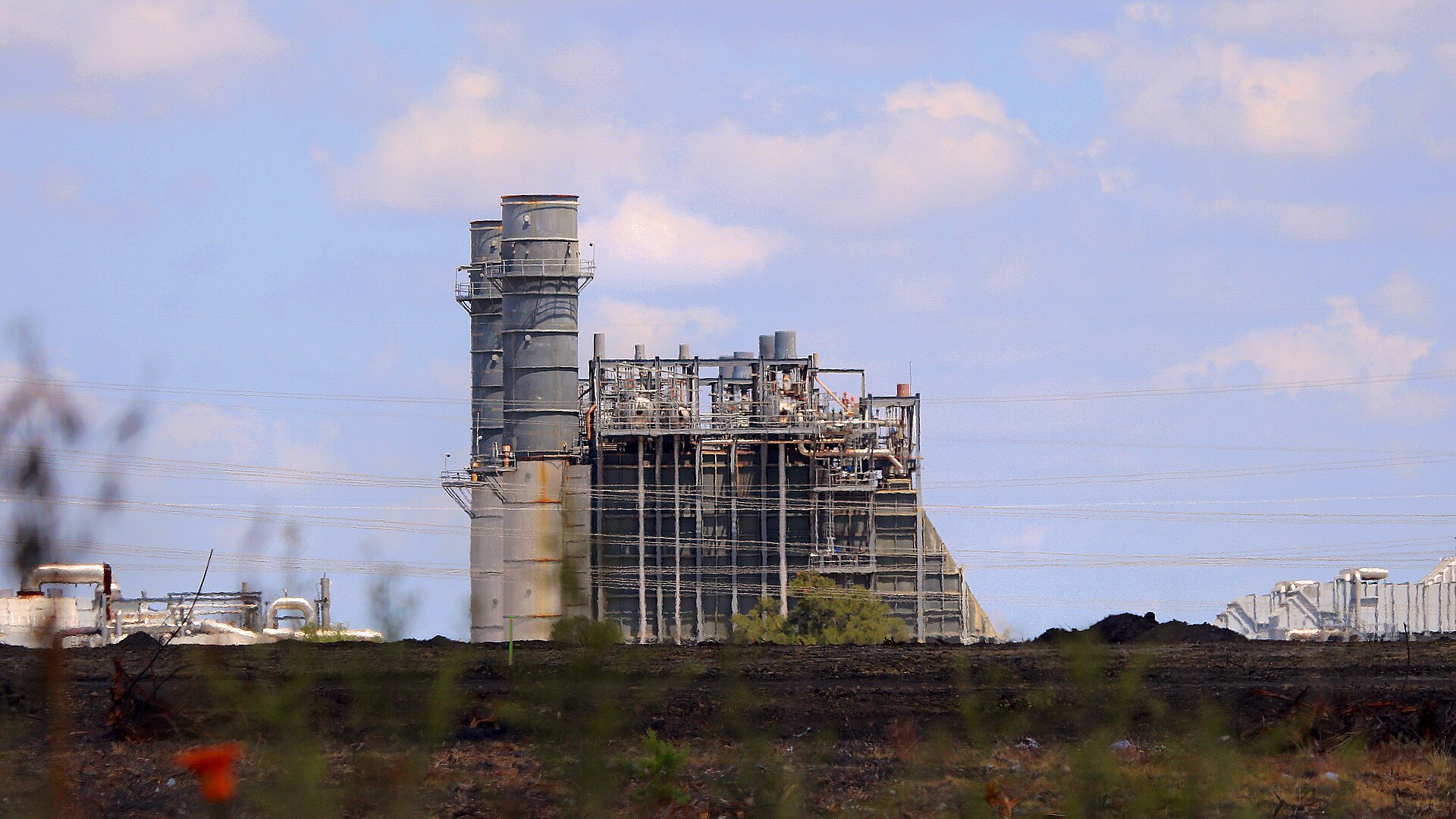
AI data centers are increasingly turning to converted jet engines to generate their own electricity, a move driven by years-long delays in connecting to the power grid. According to a New York Times report published Tuesday, this workaround highlights how far power supply has fallen behind the rapid expansion of artificial intelligence infrastructure.
The engines are pulled from retired aircraft and rebuilt to burn natural gas. While they are not designed to be permanent power plants, they offer a critical advantage: speed. Rystad Energy analyst Audun Martinsen told the Times that the primary goal is getting power online as quickly as possible. With these jet-powered units, a data center can be operational in 24 months.
Grid Connection Bottlenecks
The urgency stems from severe bottlenecks in traditional power infrastructure. Hooking up 100 megawatts of capacity to the grid in Northern Virginia takes approximately seven years, according to the International Energy Agency. Most new power capacity is not expected to come online until 2031, an executive at Mitsubishi Power told Bloomberg last week.
These delays are already impacting business deals. Last month, Microsoft withdrew as the anchor customer for Nscale’s data center in Loughton, England. The local utility stated it could not deliver sufficient power until the early to mid-2030s.
Several major technology firms are already deploying these engines. Elon Musk’s xAI has installed eight converted jet-engine turbines in Mississippi to help power its Colossus 2 data center in Memphis, according to state permits and satellite imagery cited by the Times. The units come from ProEnergy, which rebuilds a GE engine commonly found on Boeing jets.
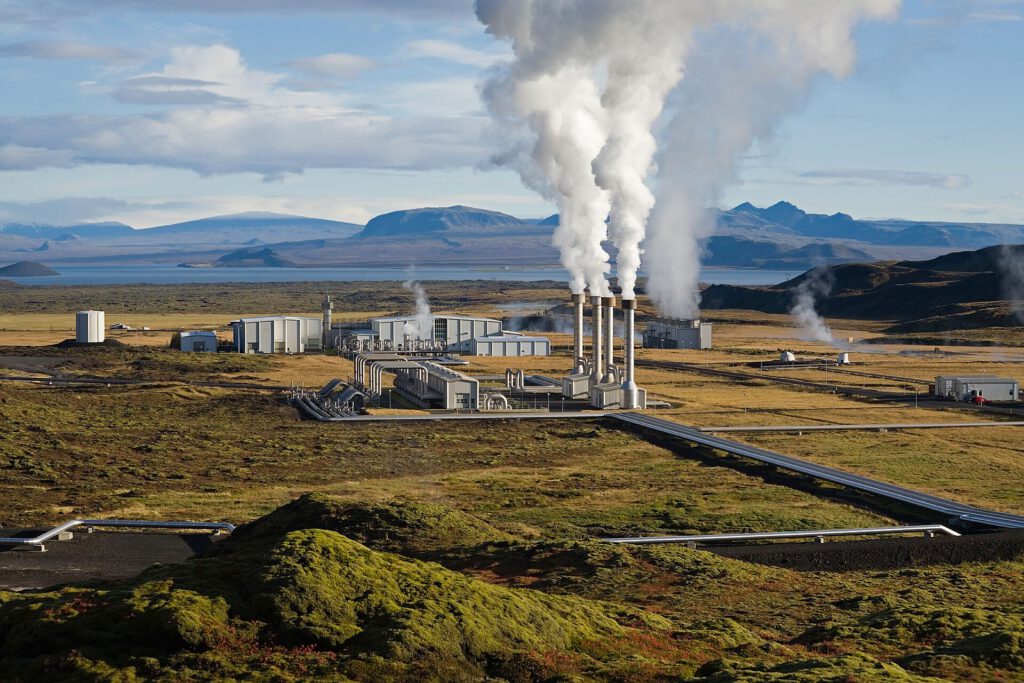
In 2025, OpenAI followed a similar path with gas turbines at its first Stargate site in Abilene, Texas. Crusoe, a Denver-based startup building AI data centers, is constructing that Abilene campus and ordered 13 of ProEnergy’s converted units in April.
Trade-offs and Future Plans
Crusoe recently walked away from a $1.25 billion deal to buy 29 natural gas turbines from Boom Supersonic, a startup that had begun selling a version of its jet engine as a power plant for data centers. A Crusoe spokesperson told TechCrunch at the time that the company still plans to use turbines, indicating that the shift to jet engines is part of a broader strategy to secure power sources rather than a total abandonment of traditional turbine technology.
Converted jet engines come with significant trade-offs. They are less efficient and produce more pollution than turbines designed for conventional gas plants. It also takes more of these units to generate the same amount of power. Some experts suggest that efficiency and environmental concerns may become more important in a year or two, potentially limiting the long-term viability of this approach.
The Trump administration is currently adding pressure on data centers to generate their own electricity, further encouraging this trend. As the wait for grid power continues, converted jet engines remain a short-term solution for companies needing immediate capacity.
Source: TechCrunch
