


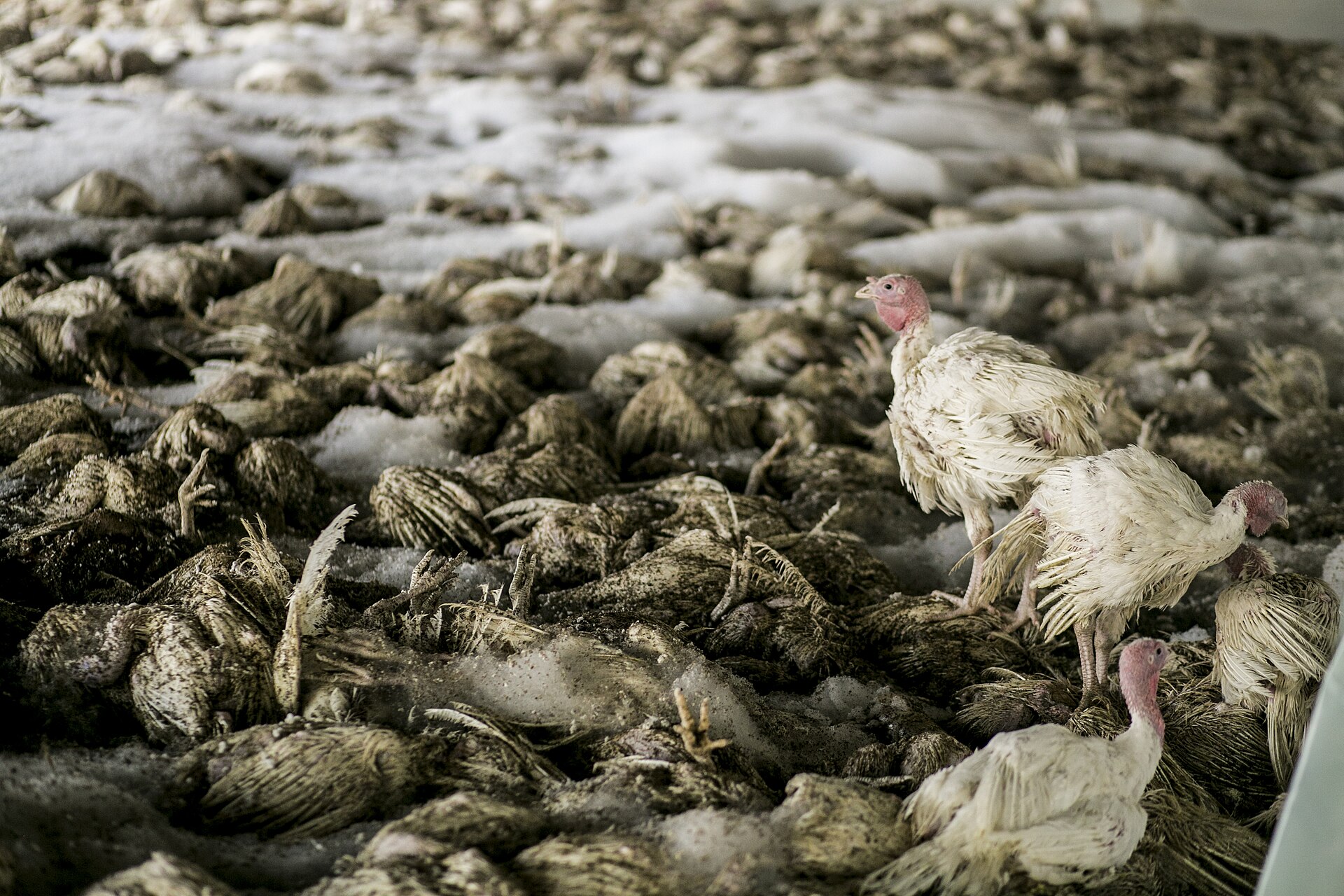
A ProPublica investigation has revealed that bird flu has been circulating in a Utah mink farm since August, with state officials taking limited action to contain the virus. The report highlights a significant gap between public health protocols and the management of the outbreak, sparking concerns about the potential for a more dangerous viral variant to emerge.
Delayed Response in Utah
According to the investigation, public health officials in Utah have not tested farm workers for symptoms or tracked their contacts, despite daily exposure to infected animals. Workers often handle the mink directly and are frequently bitten or scratched. State authorities cited complaints from the agriculture department that farmers were annoyed by testing requirements as a reason for the lack of immediate intervention.
Utah State Veterinarian Amanda Price described the outbreak as devastating, but clarified that her concern was focused on the financial impact on the farmer rather than public health risks. She stated that the situation represents the destruction of the farmer’s life work and expressed hope that officials would understand the humanity behind the business losses. Price also noted that there are few options available other than waiting to see how the virus evolves.
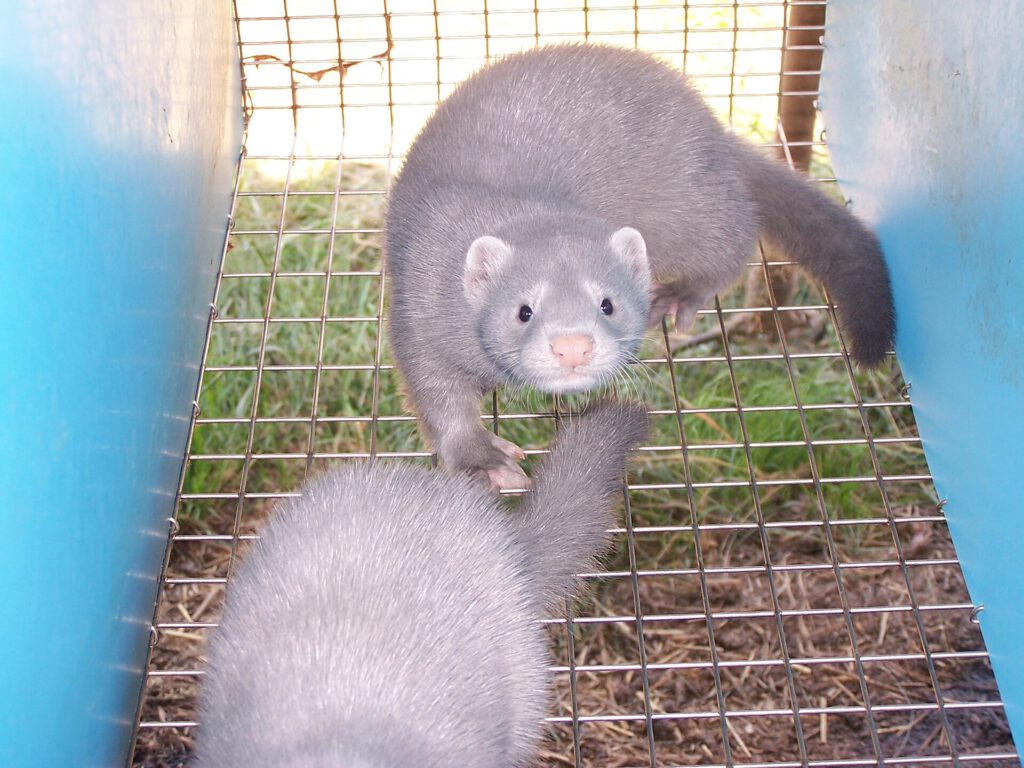
The state has not declared a public health emergency. Officials reasoned that such a declaration might alert animal rights groups and other organizations. This decision comes as the region enters flu season, a period that typically increases the risk of viral transmission and mutation.
Zoonotic Risks and Industry Influence
Mink farms are considered high-risk environments for the development of new flu strains. The animals are fed offcuts from chickens, cows, and other livestock, which can carry different viral variants. Mink can host both avian and human flu viruses, allowing the genetic material to mix. This process can transform a bird-specific disease into one that is transmissible to humans.
Historical data shows that avian flu variants that jump to humans have a high mortality rate. Since 1997, nearly half of the people known to have contracted the H5N1 variant have died. While current transmissibility between humans remains low, the combination of high lethality and increased transmission potential in a mink farm creates a significant threat.
The report also points to broader issues within the US agricultural sector. US Health Secretary Robert F. Kennedy Jr. has suggested that chicken farmers might allow bird flu to run through flocks to identify immune birds. This approach has been criticized as dangerous and ineffective, given the genetic uniformity of modern poultry. Kennedy has also claimed that wild birds have immunity to the virus, a statement contradicted by evidence of significant mortality in wild bird populations.
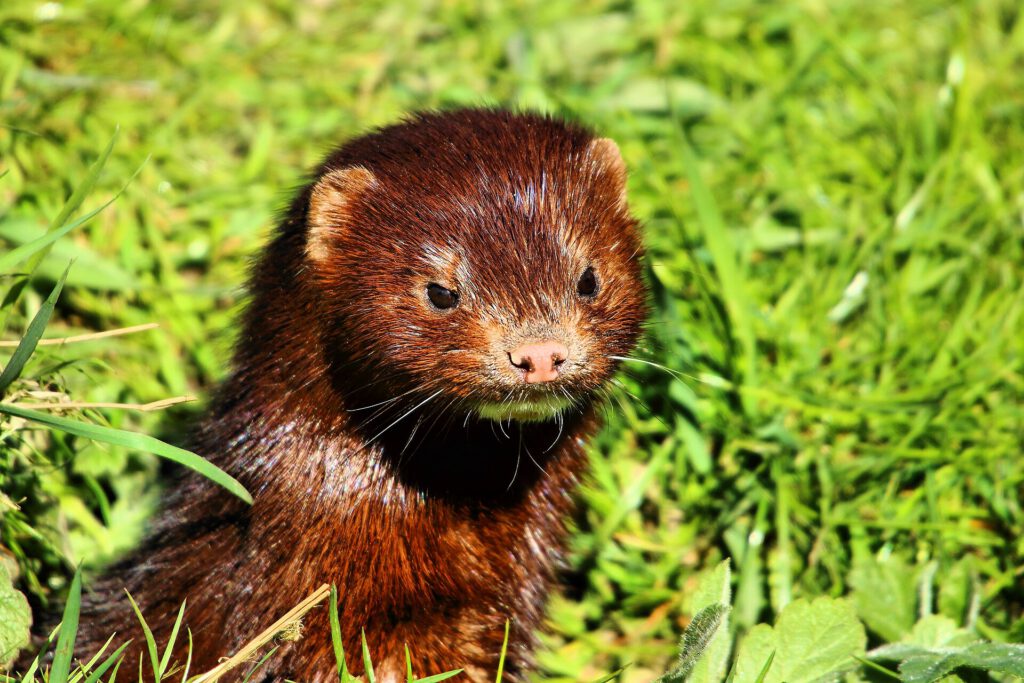
Experts warn that the livestock industry acts as a disease amplifier. The close confinement of animals and the mixing of different species create ideal conditions for pathogens to mutate. The influence of commercial interests in public health decisions is a recurring concern, with parallels drawn to the historical impact of the tobacco and sugar industries on health policy.
The lack of immediate culling or strict containment measures in Utah has drawn criticism from public health advocates. Critics argue that the priority given to business continuity over human safety could have severe consequences if a highly transmissible variant emerges. The situation underscores the need for stricter regulations on mink farming and more robust surveillance systems for zoonotic diseases.
Source: The Guardian
