


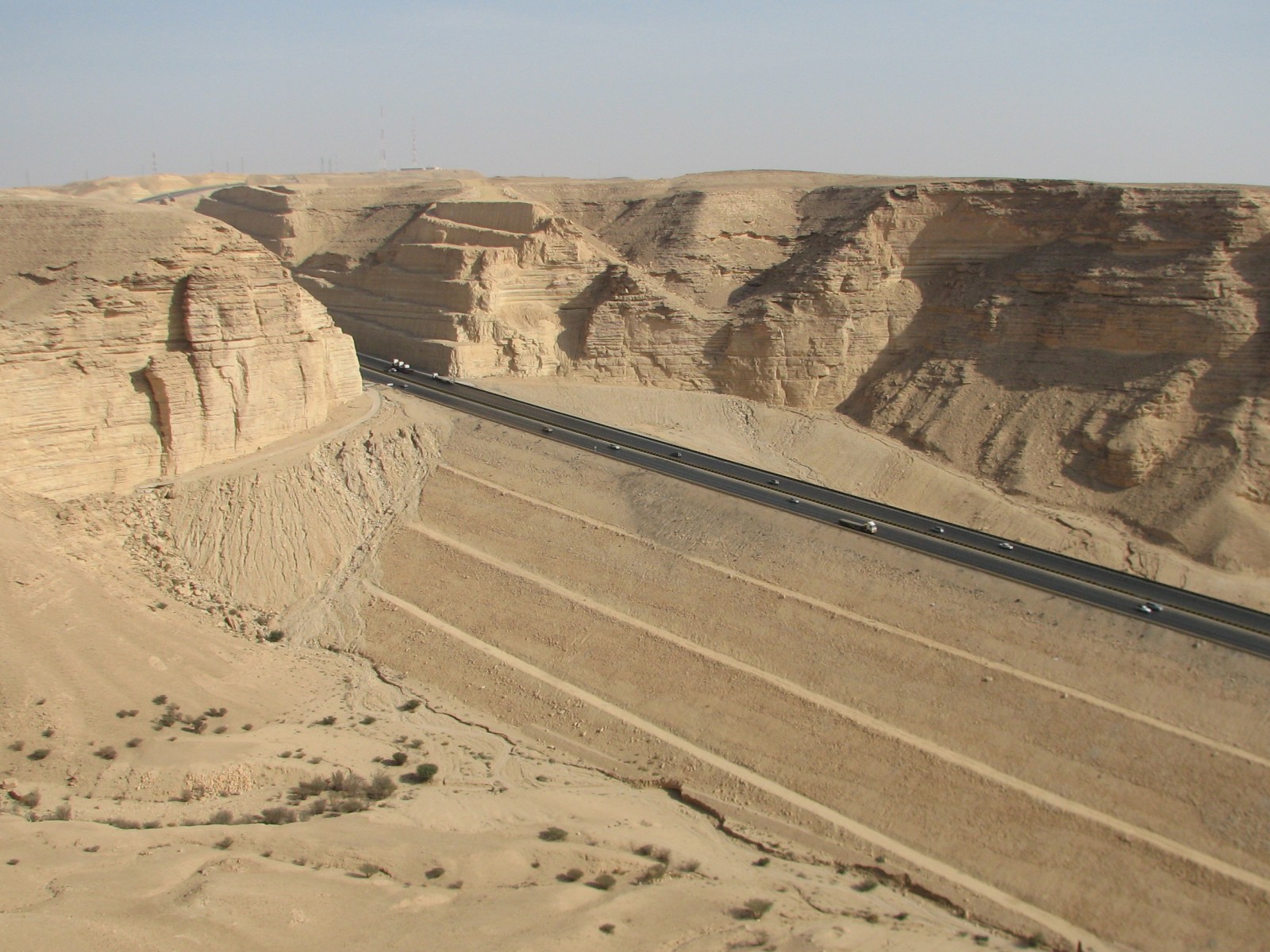
Qatar’s tourism sector is experiencing a partial recovery from the disruptions caused by the U.S.-Iran war, but the nature of this rebound is shifting significantly. According to a Skift analysis of data from Qatar Tourism, the increase in visitor numbers is being carried almost entirely by road traffic crossing the border from Saudi Arabia, while air arrivals continue to decline.
Land Arrivals Surge as Air Travel Falls
International visitor arrivals in October totaled 336,000, representing a 10% decrease compared to the same month last year. This figure follows a slight 1% increase in September. The current levels mark a sharp improvement from March, when arrivals plummeted 82% year-over-year to just 63,000.
For the first ten months of 2026, Qatar received 2.95 million visitors, down 24% from the 3.9 million recorded during the same period last year. However, land arrivals tell a different story. Traffic through Qatar’s sole land border with Saudi Arabia rose 18% year-over-year in October. These land visitors now account for 31% of all arrivals, up from 24% a year earlier.
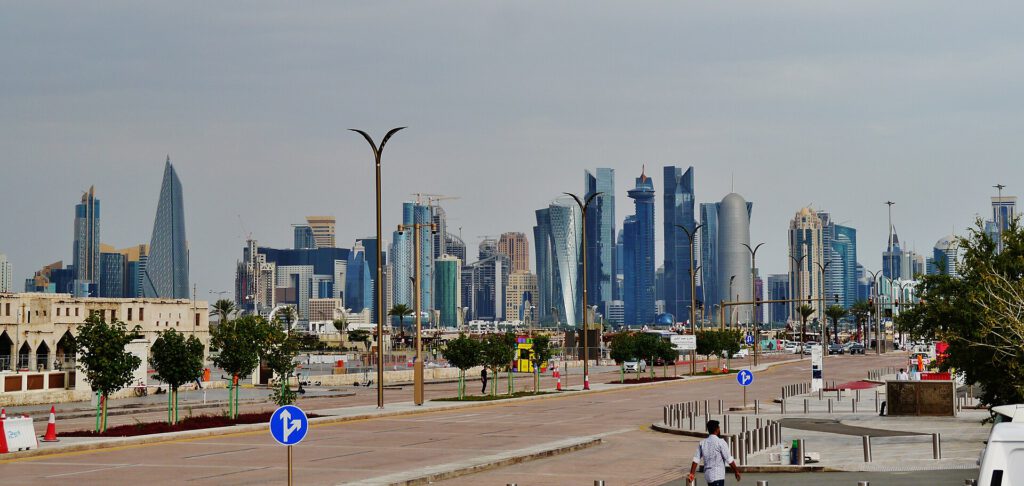
In contrast, air arrivals fell 19% in October, marking the eighth consecutive month of decline. This drop follows a severe collapse of 90% in March. Sea arrivals have remained near zero since March, leaving the upcoming cruise season as a key indicator of whether maritime tourism will return.
Impact on Hotels and Revenue
The shift toward road-based travel has direct implications for the hospitality industry. Visitors flying in from long-haul markets typically stay longer and spend more than weekend drive-in travelers from Saudi Arabia. The shorter duration of road trips limits the amount of revenue these visitors generate for hotels and local businesses.
Hotel occupancy in September stood at 61.5%, down three percentage points from the previous year. While this is a significant improvement from the 44.5% low recorded in April, it still reflects a challenging market. Revenue per available room (RevPAR) was down 4% during the same period.
Siddhartha Chowdhry, general manager of Shaza Doha, noted that several pre-war source markets have yet to return. He cited ongoing travel advisories, reduced airline seat capacity, higher travel insurance costs, and weaker traveler confidence as primary barriers to recovery.

Events Offer a Boost
Qatar is once again relying on major sporting events to stimulate tourism. The country hosted MotoGP in early November and is scheduled to host Formula 1 from November 27 to 29. Last year’s F1 weekend drove an average daily rate (ADR) of approximately $241 and achieved roughly 92% occupancy on its opening Friday.
Saad Lodhi of ValuStrat expects cooler weather and the F1 event to lift performance metrics. However, he warned against counting on a repeat of last year’s peaks, suggesting that the market may not return to previous highs immediately.
Source: Skift
