


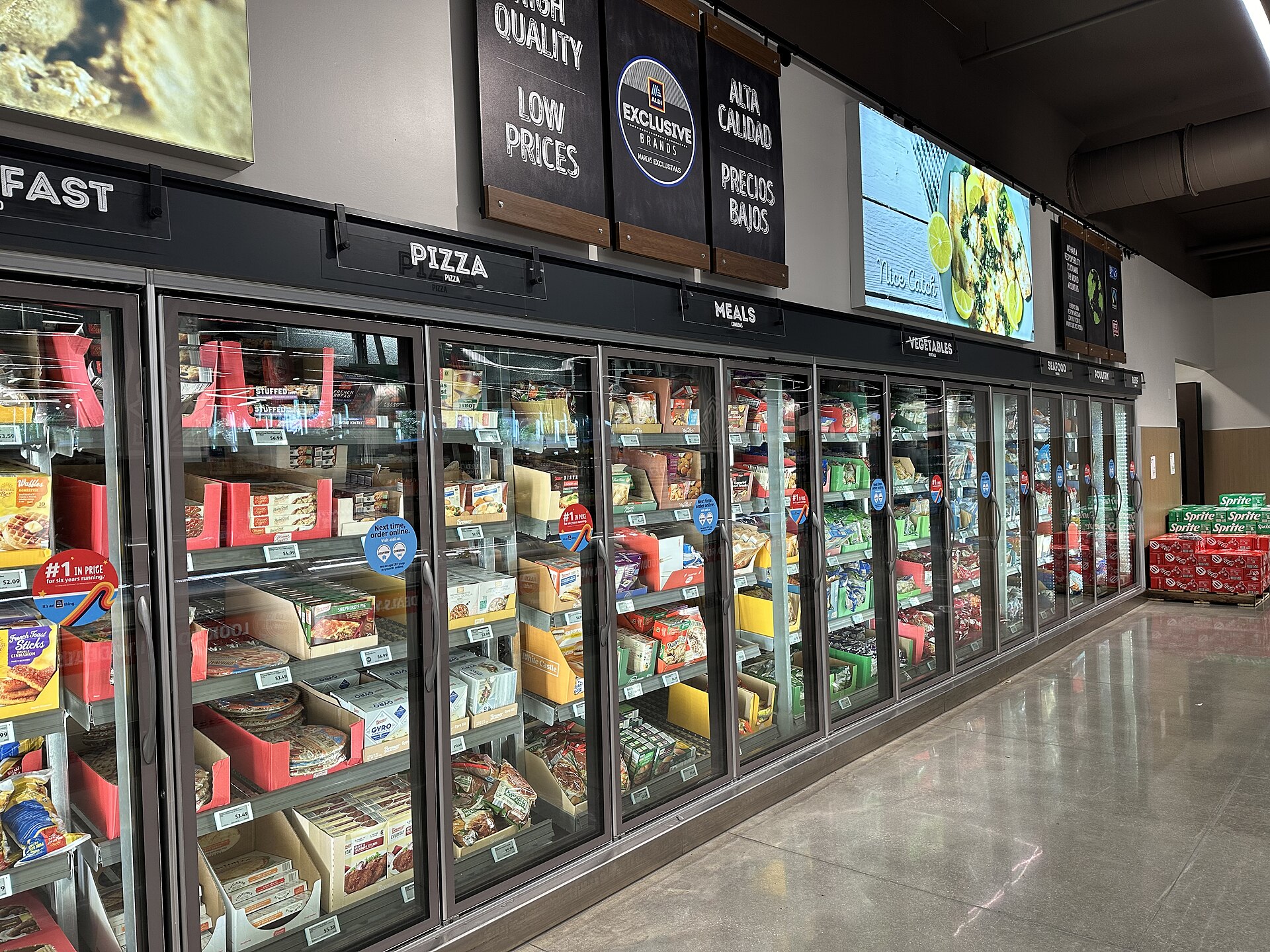
Widespread attacks on connected refrigerators in Europe and the US expose critical flaws in cold chain security and internet of things security. The incidents, which spanned multiple countries and affected both commercial supermarkets and medical facilities, highlight how basic cybersecurity failures can disrupt essential services.
On November 2, the Établissement Français du Sang (EFS) confirmed that cold rooms storing blood and plasma at three French sites were raised to very high temperatures. The organization stated that alarm systems and staff detected the changes quickly, allowing them to implement fail-safe measures before any blood samples were damaged.
This event is part of a broader wave of disruptions affecting supermarket chains in at least 11 European nations. Pictures from across the continent show massive volumes of food being discarded after temperature spikes. Similar incidents occurred in October, forcing hundreds of French stores to throw away spoiled goods. In August, roughly six commissaries and grocery stores on United States military bases experienced comparable failures, resulting in significant food waste.
Exploiting Outdated Firmware
Investigators point to vulnerabilities in temperature controllers made by the Danish firm Danfoss as a primary vector for these attacks. Many of the hacks stem from attackers exploiting unpatched refrigeration controllers exposed to the internet. Some software versions allegedly used weak passwords formulated based on the date, making them easy to guess.
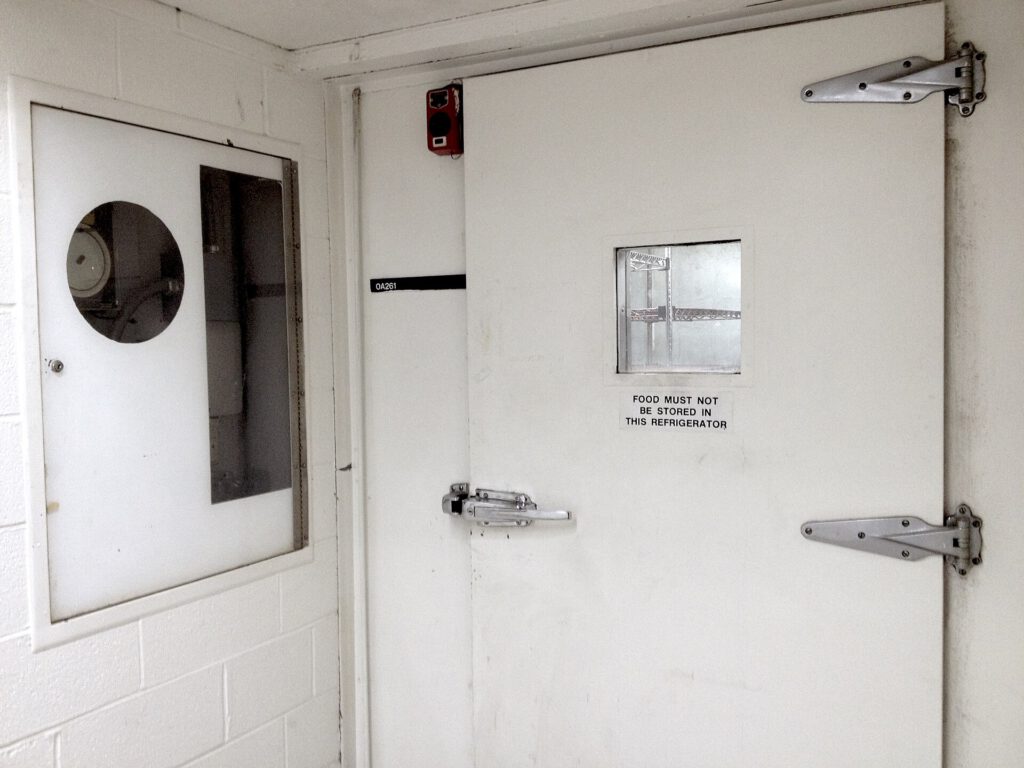
Danfoss stated in a recent alert that impacted systems were running outdated firmware and urged customers to keep products updated. The US Cybersecurity and Infrastructure Security Agency issued an alert on Thursday warning that attacks could exploit flaws in cold storage systems via authentication bypasses, arbitrary code injections, and weak configurations.
Josh Corman, a critical infrastructure researcher and executive in residence for public safety and resilience at the Institute for Security and Technology, noted that dependence on connected technology has grown faster than the collective will to protect it. He described fragile cold-chain systems as too critical to fail, yet prone to hard lessons due to these persistent weaknesses.
Attribution and Historical Context
The identity of the attackers remains unclear. Russian hacktivists attempted to claim responsibility for some of the attacks but failed to provide credible evidence. The Kremlin denied involvement. However, researchers have identified potential ties to Iran-linked actors. NextGov/FCW reported last week that unnamed US officials suspect Iran-linked attackers may have been behind the freezer attacks on US military bases, though investigations are ongoing.
This type of refrigerator attack is not new. In 2022, 16 supermarkets in Russia were targeted at the start of the country’s full-scale war with Ukraine. A 2025 report by Danfoss noted that 40 stores in Israel were similarly attacked that same year.
Sweden’s National Cyber Security Center issued an advisory highlighting that many businesses use older technology while systems become increasingly connected. The agency recommended that companies inventory which devices are connected to the internet, disconnect them whenever possible, and ensure they are access-controlled, patched, and monitored if connection is necessary.
As the Pentagon collaborates with French law enforcement to investigate these incidents, the focus remains on securing the foundational elements of digital defense rather than solely addressing advanced AI-assisted threats.
Source: Wired
