


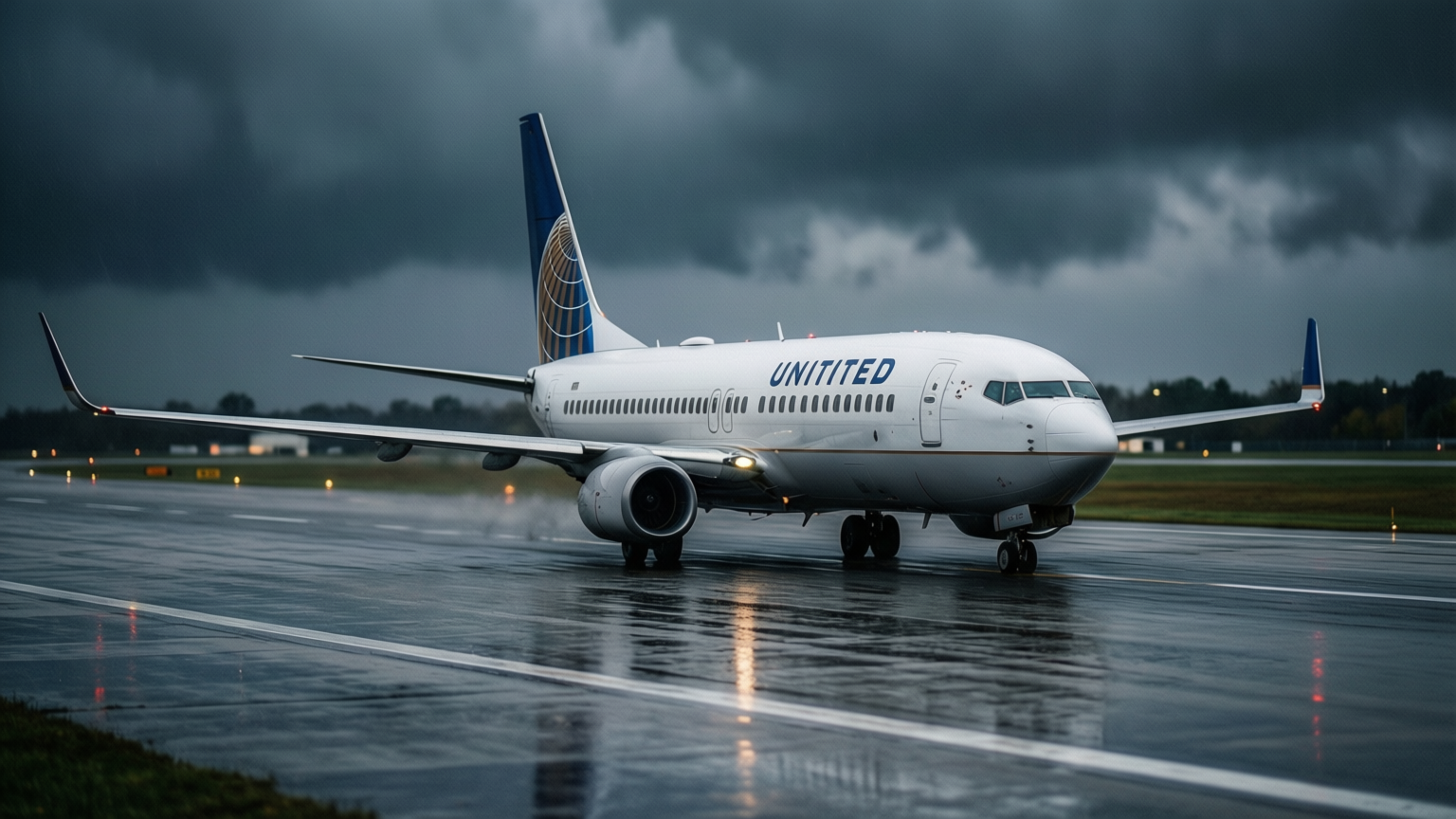
United Airlines pilots operating a flight from San Antonio to Washington Dulles refused to follow an air traffic control routing that would have taken them directly through a severe thunderstorm. The incident highlights the final authority pilots hold over flight safety, even when it means challenging instructions from ground controllers.
Refusing the Clearance
The flight, identified as UA471, was preparing for departure from San Antonio International Airport on a Friday. As the Boeing 737-700 pushed back from the gate and taxied, the crew reviewed the proposed flight path. Air traffic control had initially rerouted the aircraft to depart south, aiming to bypass the worst of the weather. However, the subsequent clearance suggested a trajectory that would lead the jet through the heaviest rain and thunderstorms.
The pilot in command questioned the clearance, noting that the new route would expose the aircraft to up to four hours of challenging weather conditions. The crew also considered the impact on passenger comfort, which would be significantly reduced by flying through such turbulence. The pilot informed air traffic control that he intended to speak with United dispatch before proceeding.
United dispatch backed the pilots’ concerns, confirming that the aircraft should not be flying through the adverse weather. With this support, the crew formally rejected the clearance and requested the initial routing that would take them south of the storm system. Air traffic control reevaluated the situation and permitted the alternative route.
Pilot Authority and Safety Protocols
This event underscores the operational responsibility held by the pilot in command. While air traffic control provides instructions and proposed flight paths, the pilot in command has the final say on whether a flight can operate safely. They can challenge or disagree with air traffic control or airline dispatch if they believe a situation is unsafe.
Pilots have specific rights and protocols to ensure safety. These include rejecting clearance and requesting an alternative path. In extreme cases, they can declare an emergency and deviate from any air traffic control clearance without prior permission if safety is compromised. In this instance, the crew exercised their right to request a safer route, which was granted after dispatch confirmed the danger.
United Airlines confirmed to Simple Flying that the flight landed safely. The incident serves as a reminder of the checks and balances in place to protect passengers and crew from unnecessary risks. The usual flight duration for UA471 is two hours and 45 minutes, but flying through the storm would have added almost an hour to the journey.
United and United Express maintain regular scheduled flights from San Antonio to several major hubs, including Chicago O’Hare, Denver, Houston, Newark, San Francisco, and Washington Dulles. The airline continues to monitor weather patterns closely to ensure the safety of its operations.
Source: Simple Flying
