


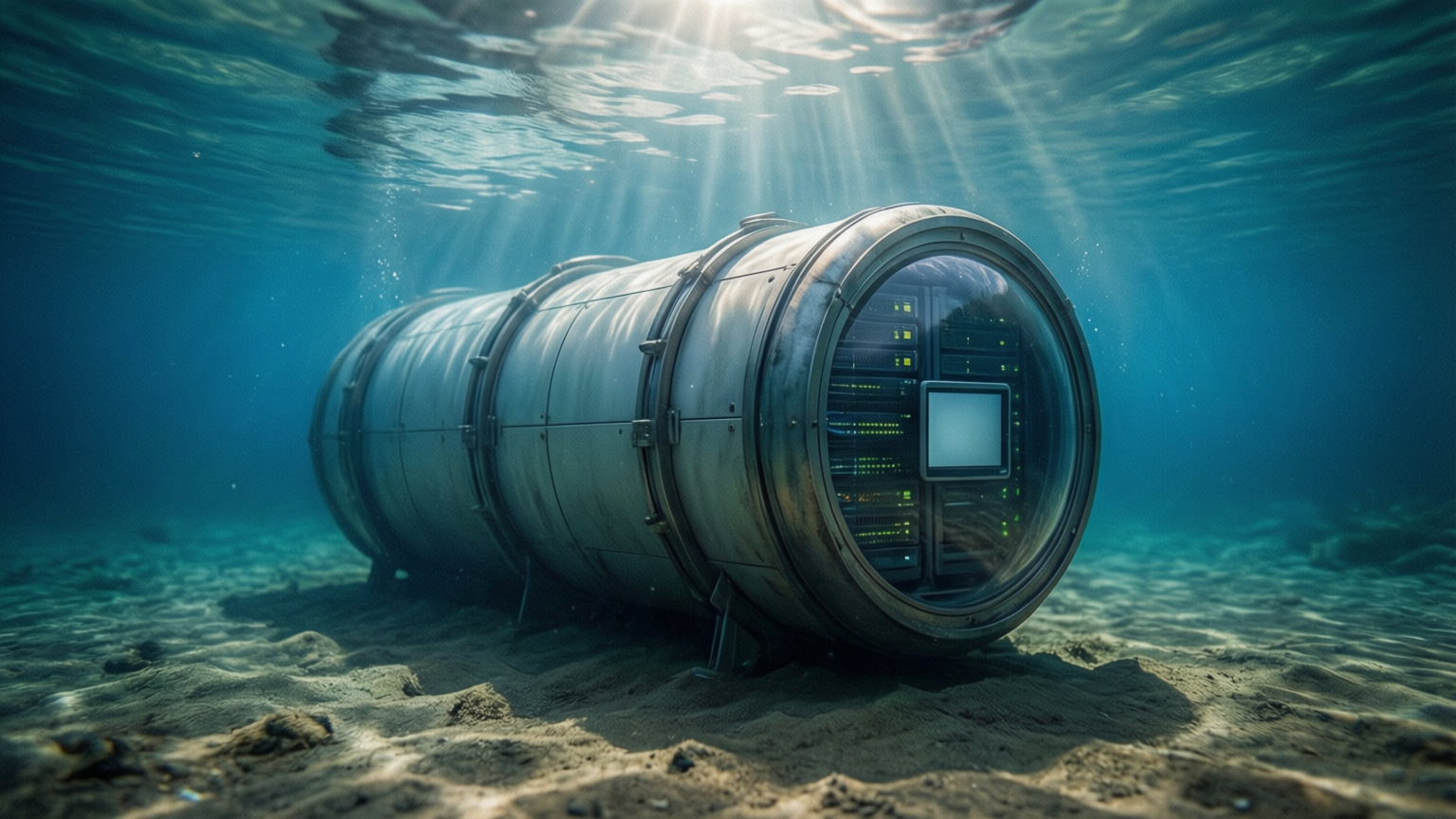
Tech companies are increasingly looking to the bottom of the Great Lakes for new server farms. The concept of underwater datacenters offers a way to bypass local opposition to land-based facilities while significantly reducing energy costs for cooling. However, environmental advocates in the region are already mobilizing to prevent these projects from harming the freshwater ecosystem that supplies drinking water to 30 million people.
Environmental Concerns in Lake Erie
The Lake Erie Foundation, an Ohio-based non-profit, has contacted state legislators in New York, Ohio, and Michigan to discuss potential regulations. John Lipaj, a representative for the foundation, stated that the group wants to establish rules before developers submit proposals. He emphasized that the Great Lakes states should take the lead in writing these regulations to avoid scrambling later.
Lipaj highlighted the risk of thermal pollution. Lake Erie is already the warmest of the five Great Lakes and struggles with harmful algal blooms. He noted that datacenters release significant heat, which could worsen these conditions. The foundation is also concerned about potential leaks of batteries, electrical fluids, and other hazardous materials into the water.
Helena Volzer of the Alliance for the Great Lakes explained that aquatic organisms are highly sensitive to temperature changes. A rapid increase of just two to five degrees Fahrenheit can cause thermal shock. This shift can alter metabolism, reduce dissolved oxygen, and disrupt food webs. Volzer warned that such changes could force fish to abandon their preferred habitats.
Industry Appeal and Regulatory Hurdles
Proponents argue that underwater facilities solve major logistical problems. Nir Kshetri, a professor of emerging technologies at the University of North Carolina Greensboro, pointed out that cooling is one of the biggest expenses for traditional datacenters. Submerged units can use the surrounding water for cooling, lowering costs. He also noted that these facilities can be built close to population centers, avoiding latency issues associated with remote locations.
Microsoft previously tested an underwater datacenter off the coast of Scotland in 2018. The project reported an 87% reduction in server failures compared to land-based equivalents. However, a Microsoft spokesperson stated that the company has no current plans to deploy underwater units anywhere. The company said its focus remains on building and operating datacenters responsibly on land.
Regulatory landscapes vary across the region. Ohio’s state government previously proposed a law to make it easier for datacenters to discharge wastewater into public waterways. That measure was denied by the state’s Environmental Protection Agency following public outcry. Currently, only New York has a temporary moratorium on datacenter construction, which is set to end in mid-2027.
Local communities are also taking action. In November, residents of Conneaut, Ohio, voted to prohibit the construction of large datacenters in their area. Mariana Branch, a Conneaut council member, said she supports protecting the lake as one of the world’s largest freshwater sources. She acknowledged that technology moves quickly, making it difficult for cities to keep up with new developments.
The federal Environmental Protection Agency stated that it supports essential data center infrastructure while using its authorities to protect water quality. An Ohio EPA spokesperson confirmed that the agency has not yet received any applications to permit an underwater datacenter in its part of Lake Erie. Despite the lack of active proposals, the Lake Erie Foundation continues to push for preemptive regulatory frameworks.
Source: The Guardian
