


The rapid expansion of artificial intelligence is placing unprecedented strain on global energy infrastructure. As data centers consume vast amounts of electricity and water, a new approach in Denmark is turning a major byproduct into a valuable resource. Engineers are now capturing the thermal energy generated by AI servers and channeling it directly into municipal heating networks.
Turning Thermal Energy into District Heat
Data centers are responsible for significant energy consumption. The International Energy Agency reported that in 2024, these facilities used 485 terawatt hours of electricity. This figure represents 1.5 percent of the world’s total energy supply, equivalent to the entire electricity generation of Germany. Projections indicate this demand will double to 3 percent by 2030, driven largely by the exponential growth of AI development.
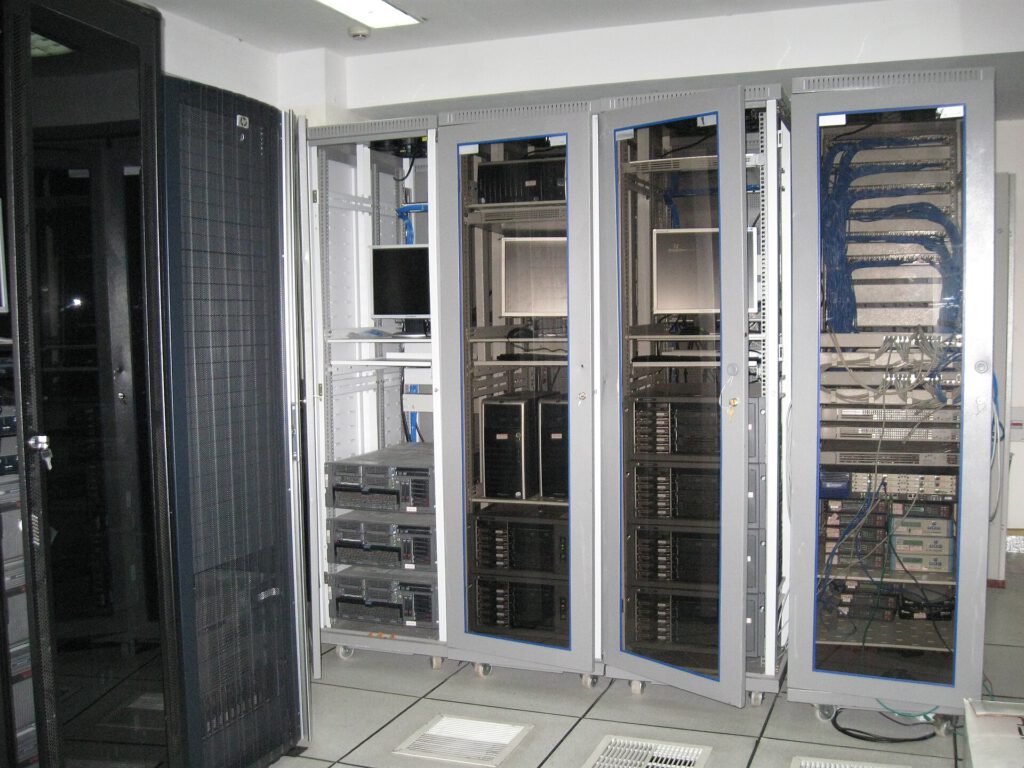
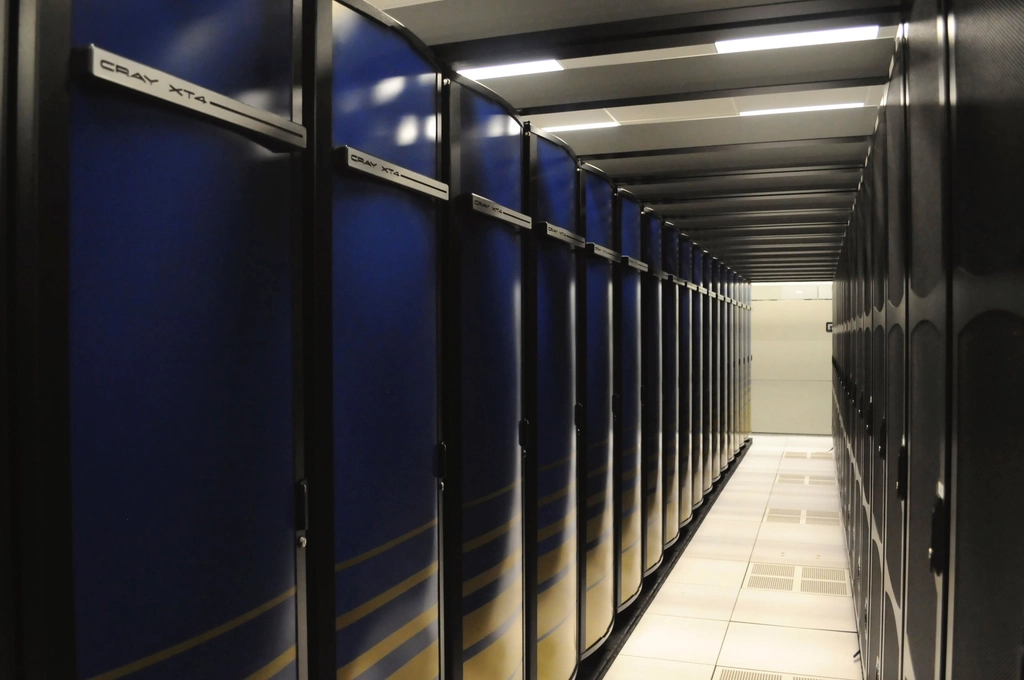
Traditionally, the heat generated by high-performance processors is vented into the atmosphere. In Denmark, however, this thermal energy is being recovered. At the University of Southern Denmark in Sonderborg, the Bitten supercomputer utilizes advanced liquid cooling technology designed by the engineering company Danfoss. Instead of using traditional air conditioning and fans, the system pumps coolant directly over the processing chips. This process absorbs the waste heat, which is then pumped into the town’s district heating network.
This system serves the 75,000 residents of Sonderborg. Kristian Strand, president of Danfoss Climate Solutions, explained the mechanism to Al Jazeera. He noted that every digital interaction activates processing in a data center, creating heat that must be removed. With the new recovery system, the facility produces hot water that can heat homes and support industrial processes.
Addressing the Global Energy Crisis
The push for heat recovery comes as nations seek energy independence and attempt to cut carbon dioxide emissions. The United Nations Economic Commission for Europe has warned that the expansion of hyperscalers and their data centers poses a growing threat to electricity systems worldwide. Public frustration is also rising. In the Netherlands, police arrested protesters opposing a new Microsoft data center near Amsterdam. In Texas, residents expressed anger over Elon Musk’s operations, contributing to a historic Democratic victory in recent midterm elections.
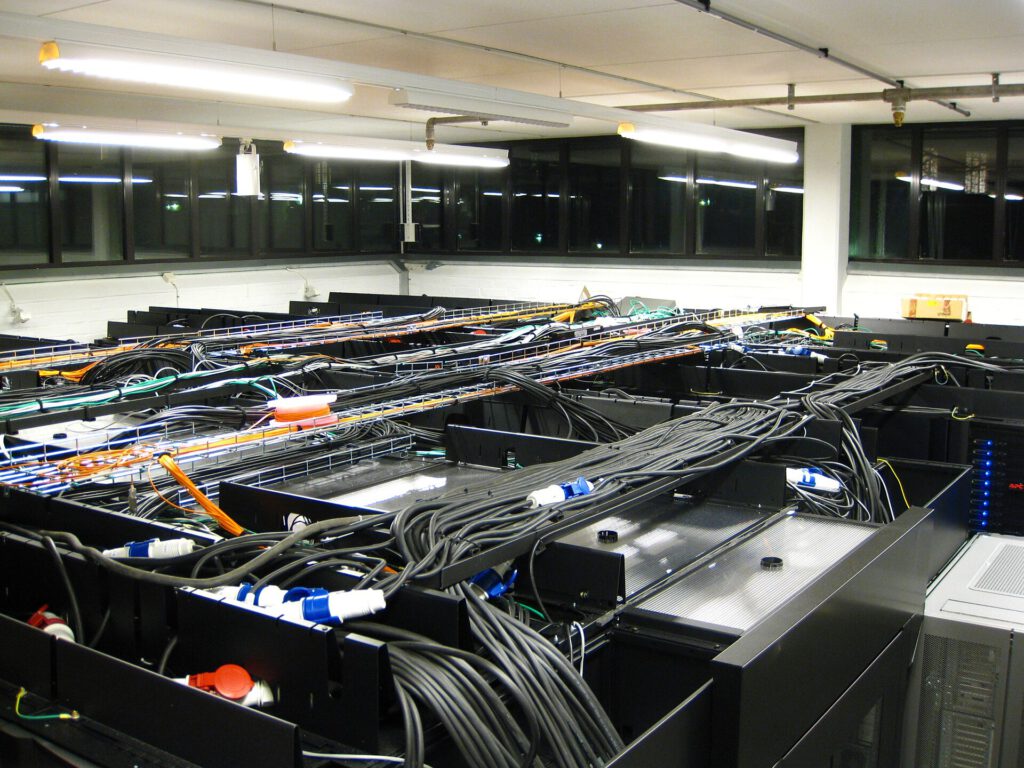
Scandinavia has emerged as a leader in this sector. Jan Rosenow, a professor of energy and climate policy at the University of Oxford, noted that Meta’s data center in Odense, Denmark, recovers approximately 100 gigawatt hours of heat annually. This amount is sufficient to heat 6,900 homes. Stockholm has been feeding data center heat into its network since 2014.
Strand highlighted the scale of the opportunity. He stated that the heat wasted across Europe in a single year could power the entire city of Paris for 48 years. Roughly two-thirds of the world’s energy is expelled as excess heat. Rosenow argued that data centers should be built where their heat can be utilized, rather than solely based on land costs.
Broader Applications and Economic Benefits
The technology extends beyond AI servers. Danfoss engineers recently replaced gas boilers at Sonderborg Hospital with a heat pump system. This system captures waste heat from medical equipment like MRI scanners and temperature regulation systems in operating theatres. The hospital has become energy independent for nine months of the year and feeds excess heat back into the district network.
Lasse Bo Madsen, head of technical services at Sonderborg Hospital, emphasized the financial viability of the project. He stated that the investment will pay for itself within two years, allowing the facility to redirect funds toward patient care and new equipment. Strand added that utilizing waste heat reduces reliance on fossil fuels while making business sense. As the AI boom accelerates, Danfoss believes this scalable technology can help ease the soaring energy demand stretching global supply.
Source: Al Jazeera
