


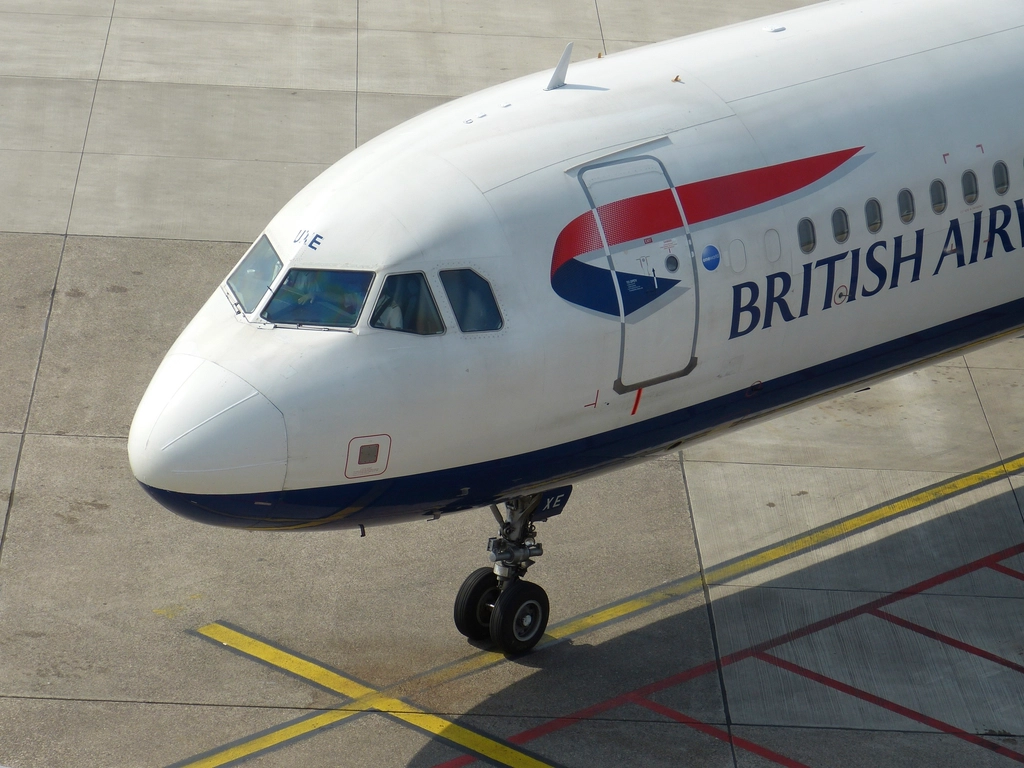
British Airways Flight BA252 experienced a transatlantic overspeed incident on November 4, 2026, as powerful upper-level winds pushed the aircraft beyond its operational speed limits. The Boeing 777-200, registered as G-VIID, was traveling from Nassau, Bahamas, to London Heathrow Airport when it encountered the severe atmospheric conditions.
According to reports from AIRLIVE, the aircraft reached approximately 282 knots while cruising at 38,000 feet. This speed exceeded the applicable operational limit by roughly 7 to 10 knots. The incident occurred during a period of heightened jet stream activity that affected multiple flights along the North Atlantic corridor between November 3 and 4.
Flight Crew Adjusts Altitude to Stabilize
The flight crew responded to the speed anomaly by altering the aircraft’s flight path. They initially climbed to 39,000 feet and subsequently reached 41,000 feet in an effort to find more favorable atmospheric conditions. These adjustments allowed the crew to stabilize the aircraft’s speed and continue the journey without further complications.
The flight landed at Heathrow at 11:13 GMT on November 4, completing the seven-hour and 57-minute trip. No injuries or structural damage were reported in connection with the event. While open-source information confirms the BA252 incident, details regarding other aircraft that experienced similar overspeed alerts during the same period remain unavailable.
Jet Stream Impact on Aviation
The UK Met Office describes the jet stream as a narrow band of powerful winds located five to seven miles above the Earth’s surface. These winds generally travel from west to east and form near the boundary between colder polar air and warmer tropical air. The temperature difference between these regions plays a significant role in the strength of the jet stream, which typically intensifies during autumn and winter months.
Eastbound flights often benefit from these strong tailwinds, which can reduce flight times and fuel consumption. However, the same winds that provide efficiency can also create challenges. Sudden changes in wind direction or velocity, known as wind shear, can temporarily affect indicated airspeed. This dynamic explains why aircraft might trigger overspeed alerts even when the aerodynamic speed relative to the surrounding air remains within safe parameters.
Historical data shows the potential impact of these winds. In February 2024, two Boeing 787 Dreamliners operated by Virgin Atlantic and United Airlines recorded ground speeds exceeding 800 mph. These figures highlight the extreme capabilities of the jet stream but do not necessarily indicate that the aircraft exceeded their aerodynamic operating speeds.
Another concern associated with jet stream activity is clear-air turbulence. This phenomenon occurs without visible clouds or thunderstorms and is frequently linked to differences in wind speed and direction at cruising altitude. Conventional onboard weather radar cannot directly detect clear-air turbulence, meaning pilots must rely on forecasts and reports from other aircraft to anticipate dangerous conditions. A study cited by the Air Traveler Club indicates that severe clear-air turbulence over the North Atlantic increased by 55% between 1979 and 2020.
Source: Simple Flying
