


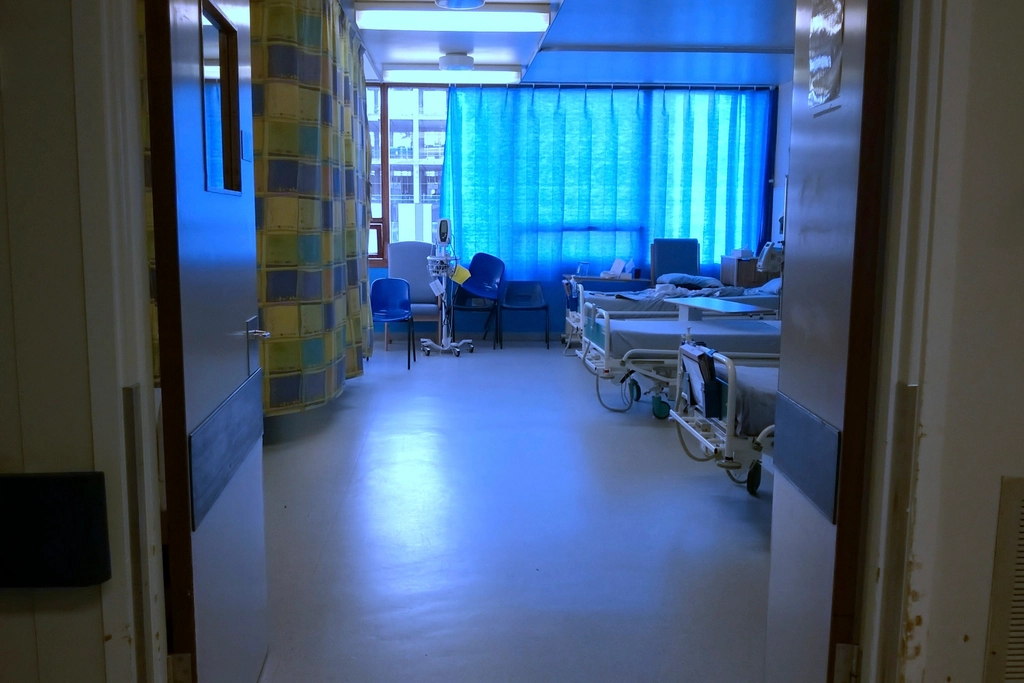
Only 6.4% of stroke survivors in England, Wales, and Northern Ireland are receiving the amount of rehabilitation therapy they are entitled to, according to a new report from the Stroke Association. This figure represents a decline from 7.5% in the final quarter of 2024 and highlights a significant stroke therapy gap that experts warn is hindering patient recovery.
The data comes from the Sentinel Stroke National Audit Programme (SSNAP), which analyzed care standards across hospitals in the three countries. The audit found that during the first quarter of this year, the average patient received just 40 minutes of therapy per day. This is six minutes less than the average recorded in late 2024. Some patients received as little as 15.2 minutes, while the maximum recorded was 57.3 minutes.
Rehabilitation Standards and Patient Outcomes
National Institute for Health and Care Excellence guidelines recommend that all stroke patients receive three hours of physiotherapy, speech and language therapy, and occupational therapy daily. This care is intended to help patients regain physical and mental function after a brain injury, whether they are still in the hospital or have returned home.
Despite these clear standards, the SSNAP audit shows that the vast majority of patients are falling short of this target. Furthermore, the report indicates that only 68% of patients continue to receive rehabilitation support after being discharged from the hospital. This drop-off in care during the transition from hospital to home is a critical point where many survivors lose access to essential services.
Stroke remains the single largest cause of complex disability in the UK. It affects approximately 100,000 people annually and can leave survivors struggling with basic functions such as walking, talking, and swallowing. The Stroke Association warns that the number of strokes could rise to 115,483 by 2030 due to an ageing population and increasing rates of high blood pressure and diabetes.
Financial and Social Impact of Care Shortfalls
Juliet Bouverie, chief executive of the Stroke Association, described the findings as a “damning” indictment of the current system. She emphasized that the brain injury caused by a stroke changes every aspect of a person’s life instantly and often permanently.

“These damning figures expose the deeply troubling reality that too many vulnerable stroke survivors are being left without the care and support they need, both in the critical days after their stroke and in the months and years that follow,” Bouverie said. She noted that services are already overstretched to breaking point.
The financial burden of this care gap is substantial. The Stroke Association estimates that stroke costs the UK economy £25.7 billion annually. More than half of this sum, £13.7 billion, is spent on social care costs to support survivors. An additional £6.7 billion is attributed to wider societal costs, including lost wages for patients and their relatives who stop working to provide care. Welfare benefits and lost income tax account for another £2.4 billion.
The Department of Health and Social Care did not directly address the low therapy rates. Instead, a spokesperson highlighted ongoing efforts to improve cardiovascular care. The government pointed to its 10-year health plan, which aims to reduce premature mortality from heart disease and stroke by a quarter within a decade. They also cited a modern service framework published in July designed to accelerate progress and increase the delivery of thrombolysis and thrombectomy treatments.
As the number of stroke cases is projected to increase, the disparity between recommended care and actual provision remains a central challenge for the NHS and social care providers. The SSNAP data provides a clear benchmark for the urgent need to expand rehabilitation capacity to meet the growing demand.
Source: The Guardian
