


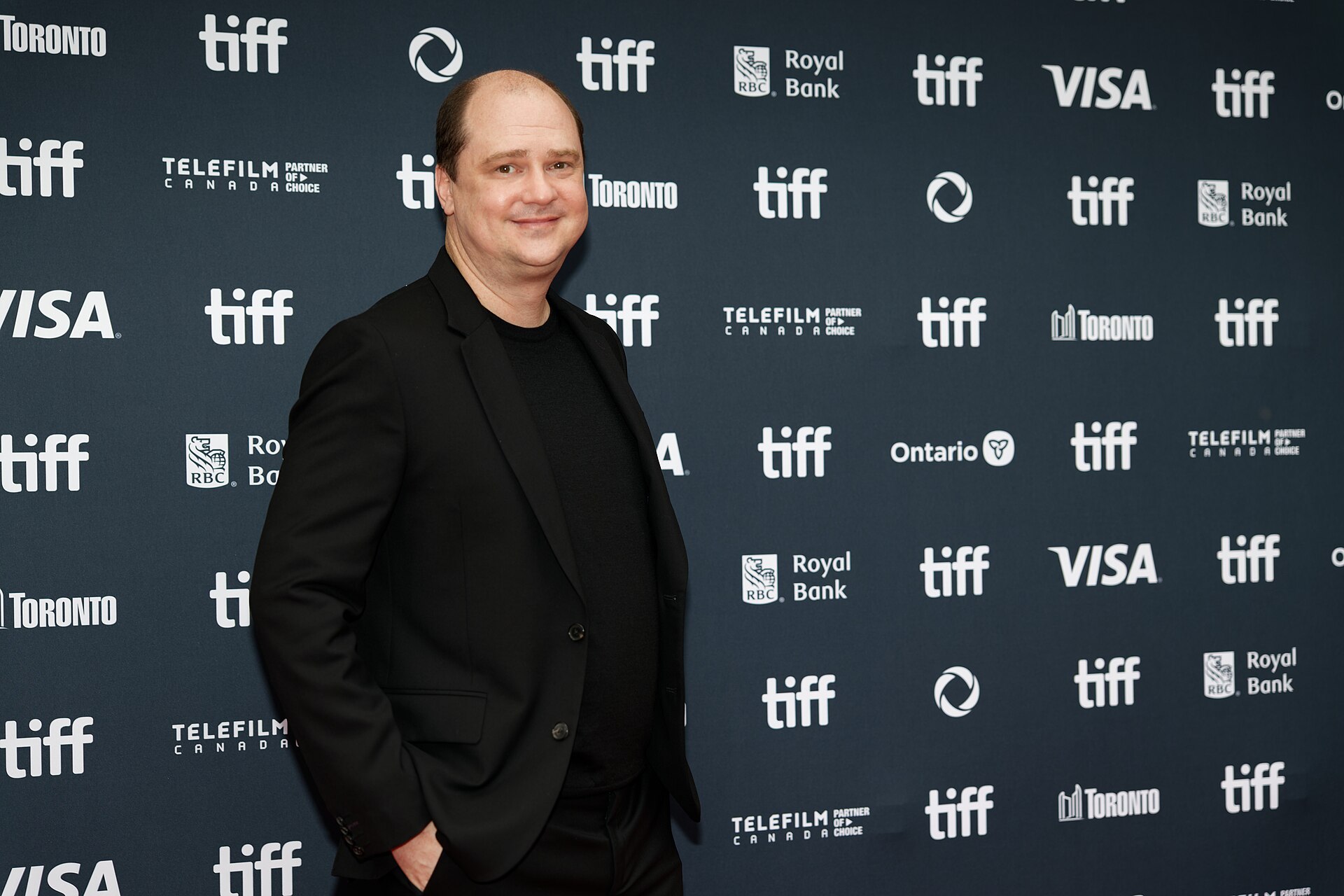
Mike Flanagan has established a distinct reputation in modern horror, blending serialized television storytelling with deep character studies. His recent adaptation of Stephen King’s Carrie, released in October 2026, has sparked significant conversation. While many praised the show for updating the 1970s novel for a contemporary audience, a major criticism has emerged: the series is not scary. This stands in stark contrast to Flanagan’s previous work, particularly The Haunting of Hill House, which is widely regarded as a masterclass in building dread.
The Haunting of Hill House Approach
Released on Netflix in 2018, The Haunting of Hill House was Flanagan’s first television series. Based on Shirley Jackson’s landmark novel, the show took significant creative liberties. Jackson’s original story gathered a group of strangers to explore their traumas, but Flanagan reimagined them as siblings, turning the haunted location into their childhood home. This adaptation choice has not been universally forgiven by fans of the source material.
However, the show succeeded in its primary goal: delivering fear. Flanagan moved away from cheap jump scares, relying instead on a pervasive sense of dread. He achieved this by hiding ghosts in plain sight within the background of scenes. In an interview with Bloody Disgusting, Flanagan noted that each episode likely contains eight to ten ghosts that viewers might miss on a first watch. He also revealed that some of these entities had personal origins, such as the tall man with the bowler hat, which was included because one of the writers had a specific fear of people on stilts.
The horror in Hill House was intimate. Flanagan split the character of Eleanor from the novel into two figures: the mother, Olivia, and the daughter, Nell. The standout episode, “The Bent-Neck Lady,” reveals that the ghost haunting Nell is actually herself, driven mad by the house. This twist makes the horror personal and inescapable.
Changes in the Carrie Prom Scene
Carrie sticks much closer to King’s original text, maintaining the mythology and character identities. However, it diverges significantly in its climax. The series spends its entire season building toward the famous prom massacre, but the execution differs from the novel. In the show, Carrie’s friend Emaline, played by Thalia Dudek, takes over Carrie’s body for most of the violence. This shift removes the agency from Carrie herself, leading to criticism that the show flinches at the moment Carrie should become a horror icon.
Flanagan addressed these changes in an interview with Polygon. He explained that he and his writing team wanted Carrie to be solely responsible for the deaths of key characters, including Tommy Ross, Billy Nolan, and Chris Hargensen. However, they drew a line at the prom massacre. Flanagan stated that the team did not believe their version of Carrie White would consciously choose to kill Principal Grayle, Ms. D, or the innocent people around her.
“None of us believed the Carrie White we created would consciously choose to kill Principal Grayle, would choose to kill Ms. D, and would choose to ignite innocent people around her,” Flanagan said. This decision has left some viewers feeling that the show lacks the brutal clarity of the source material. The cruelty of high schoolers is present, but the moment where that cruelty fully infects Carrie and transforms her is obscured by the possession plotline.
The contrast between the two shows highlights Flanagan’s strengths and weaknesses. Hill House used psychological fear and intimate twists to create terror. Carrie, while effective at building character empathy, struggles to deliver the same level of horror. The prom scene, a cornerstone of horror history, feels diluted by the attempt to protect the protagonist’s moral standing. The result is a series that is compelling but lacks the spine-chilling impact of Flanagan’s earlier work.
Source: Polygon
