


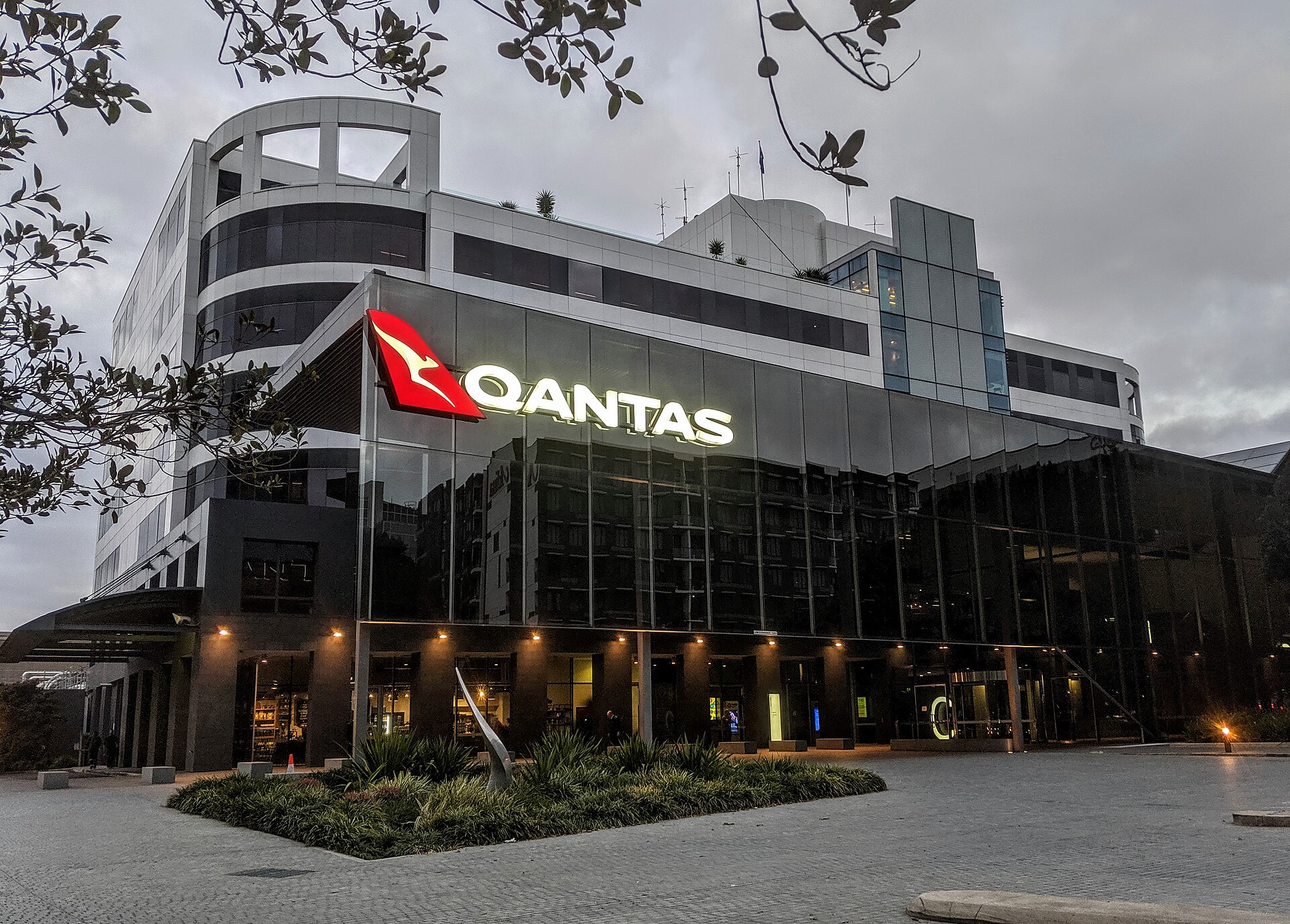
Australian carrier Qantas has announced plans to eliminate 850 local positions and transfer work to India as part of a major technological overhaul. The airline signed a multi-year agreement with professional services firm Accenture to modernize its back-end systems, processes, and data infrastructure.
The restructuring marks the third significant corporate layoff plan in Australia within three weeks. It follows similar moves by design company Canva and National Australia Bank, contributing to a wave of disruption across the national workforce.
Accenture Partnership and Role Transfers
Under the agreement with Accenture, some services will be transferred to the firm’s large team based in India. Qantas stated the partnership is designed to step up investment in technology and artificial intelligence.
Chief Executive Vanessa Hudson described the current environment as one of “unprecedented” technological disruption. She noted that the scale and speed of change in the industry are unlike anything businesses have experienced in generations.
Hudson acknowledged the difficulty of the news for staff, emphasizing that the decision does not reflect poorly on employee contribution or commitment. The airline plans to consult with affected workers and unions before finalizing the changes, which are expected to begin by the middle of next year.
The initial reductions will primarily affect staff in finance, procurement, human resources, and marketing. Qantas currently employs approximately 32,000 people, according to its most recent annual report.

Union Backlash and Economic Context
The announcement has triggered a strong response from labor unions. The Australian Services Union criticized the move, particularly because Qantas had previously stated it had no plans to relocate jobs offshore.
Scott Cowen, assistant national secretary of the union, argued that the cost of technological change should not fall on the workers who have sustained the airline. He stated that sending jobs overseas is not in the spirit of Australia, especially as AI impacts workers across the country.
This restructuring occurs during a challenging period for Australian employees. The unemployment rate has reached its highest level in nearly five years, while living costs continue to surge. A subdued economy, exacerbated by elevated oil prices linked to the conflict in Iran, is prompting companies to reduce expenses.

In the past month alone, about 4,550 corporate roles have been targeted for cuts, relocations, or restructuring across NAB, Canva, and Qantas. While Qantas faces rising jet fuel prices, it has partially offset these costs through ticket sales from customers who switched to the airline after canceling flights with Middle East stopovers.
Qantas indicated in a recent market update that customer demand remains resilient. The company will continue to adjust fares and capacity in response to fuel costs.
Source: The Guardian
