


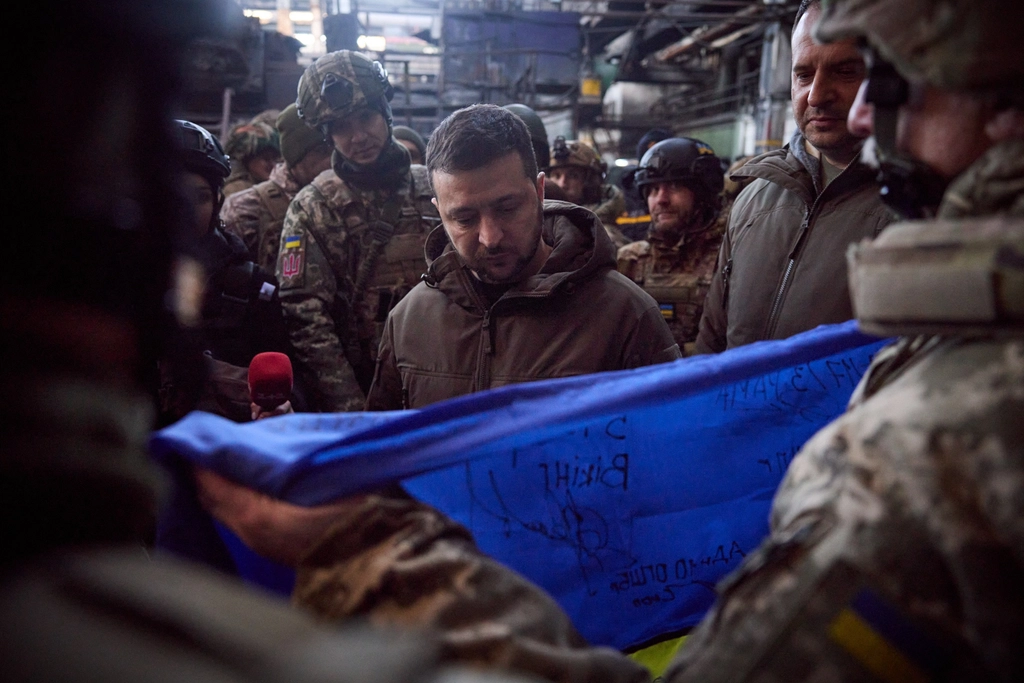
Ukraine peace talks have resumed in Abu Dhabi as the fifth anniversary of Russia’s full-scale invasion approaches. Senior officials from Moscow, Kyiv, and Washington are gathering for the first trilateral meeting since February, aiming to address postwar security concerns for both nations.
US officials indicated that both sides have shown “a little bit of flexibility” regarding control of Ukraine’s eastern regions in a potential postwar scenario. However, the public positions of Moscow and Kyiv remain significantly distant, particularly concerning the Donetsk region, which is largely occupied by Russian forces.
Donetsk territory and security architecture
A central point of contention involves the Donetsk region. Moscow has demanded that Ukraine relinquish control over the parts of Donetsk it still holds. Kyiv, conversely, seeks to freeze the contact line to maintain control over these sections, arguing they are vital for future national security.
While neither side has publicly shifted its stance, a US official speaking on the eve of the talks noted that private discussions have revealed some movement. The official emphasized that resolving the territorial dispute is inextricably linked to establishing a new security architecture for the region.
“They will not solve the Donetsk issue and the territorial issue until they know what the security architecture is going to be after the war,” the official stated. “And keep in mind, we’re not going to be able to finalise one without the other.”
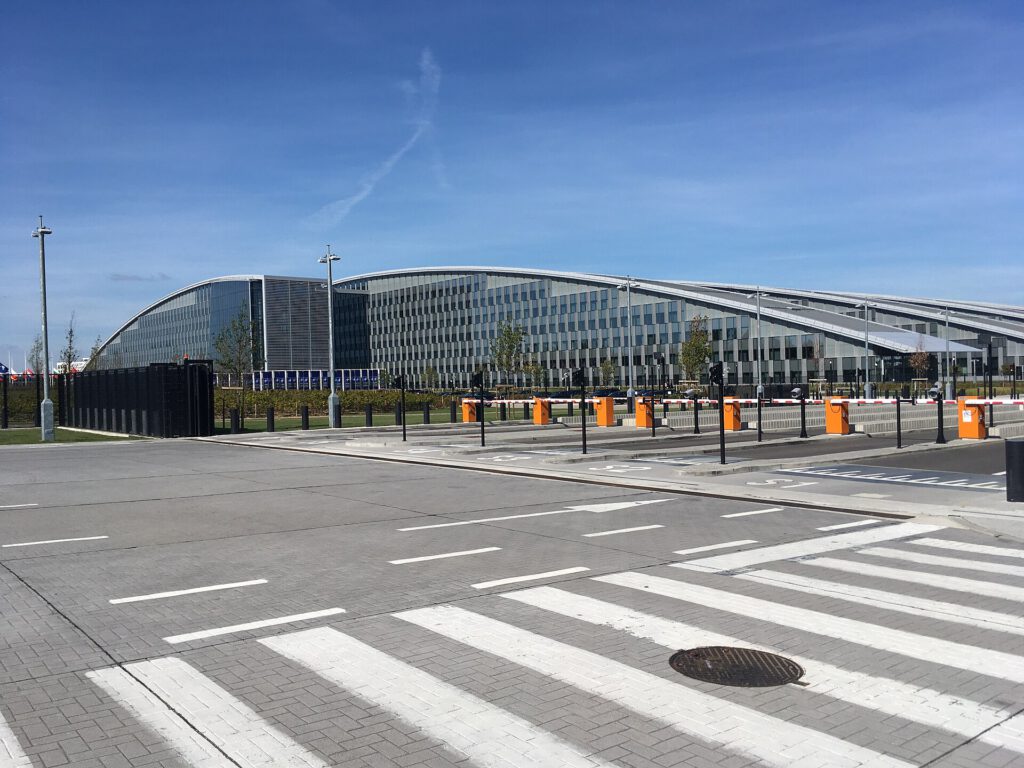
For Ukraine, this architecture likely involves guarantees of allied support in the event of future aggression. For Russia, it may involve demands for NATO to roll back its presence in Eastern Europe, a prospect that has caused alarm among European allies.
US delegation and European concerns
The US delegation includes Jared Kushner, son-in-law of President Donald Trump, and peace envoy Steve Witkoff. Kushner stated on social media that the process would focus on encouraging all parties to consider the postwar landscape seriously.
The proposed framework includes security consultations, crisis communication hotlines, and reciprocal de-escalation measures. Officials also suggested reactivating the NATO-Russia Council, which has been largely inactive since 2022.
European leaders, who have been largely excluded from these initial discussions, have pushed for inclusion. European Commission President Ursula von der Leyen and Ukrainian President Volodymyr Zelensky have both stressed the need for European allies to participate in any meaningful discussions about continental security.

The US official acknowledged that Russia harbors significant distrust toward European nations. However, the Americans proposed moving toward a multilateral format that would bring Europeans into the fold, hoping to secure Russian agreement.
Ukrainian officials remain skeptical of the current trajectory. MP Oleksandr Merezhko, head of the foreign affairs parliamentary committee, told the BBC that he believes the US administration is seeking a quick deal at Ukraine’s expense. He argued that President Putin has no incentive to negotiate while his war machine remains operational and suggested that increased pressure through sanctions and strikes is the only path to genuine talks.
The talks come amid ongoing Russian bombardments, including a recent strike on a village in Zaporizhzhia that killed at least 40 people. Kushner cautioned that the Abu Dhabi meeting would at most build momentum for future negotiations, describing the conflict as extraordinarily difficult and complicated.
Source: BBC
