


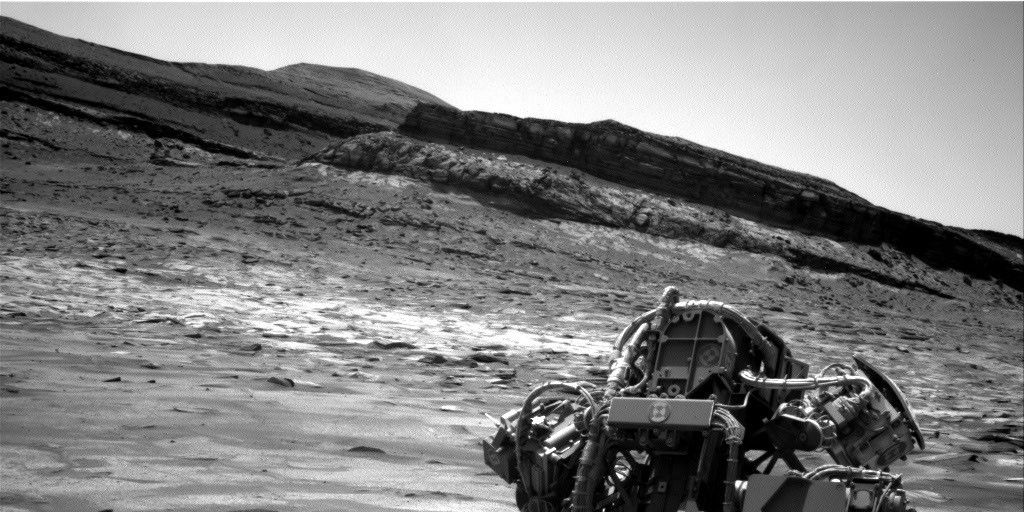
NASA’s Curiosity rover has completed a three-sol pause in its drilling campaign at the “Nazca” target on Mars. The mission team used Sols 5060, 5061, and 5062 to recharge the rover’s power systems before resuming high-energy drilling activities. This strategic break allows the aging rover to manage its declining power output while continuing to analyze the Martian surface.
Power Management and Parallelism Tests
The drilling campaign at Nazca involves complex procedures that consume significant energy. The rover has already drilled a hole, characterized the tailings with the ChemCam instrument, and delivered several samples to the Sample Analysis at Mars (SAM) and CheMin instruments. Remaining tasks include additional sample dropoffs and a cleanup procedure known as “RAGE” (Rotate to Agitate for Granule Expulsion), which shakes the drill to release trapped material.
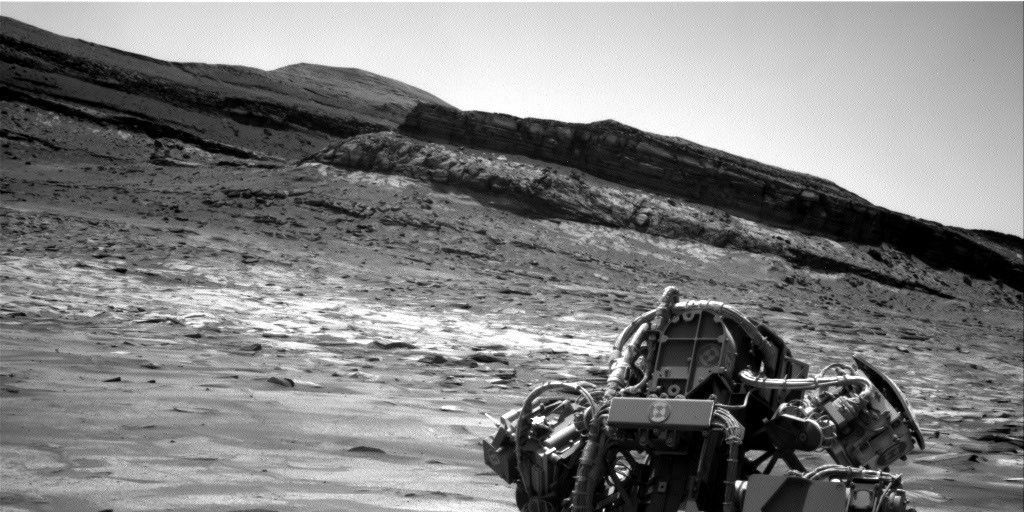
To conserve power, the mission team intentionally reduced the number of activities during these three sols. Each sol included a standard morning science block and a new engineering test on Sol 5061. This test evaluated parallelism, a technique where two activities run simultaneously to reduce the total time the rover remains awake. Running the CheMin “Get Data” activity at the same time as downlinking data to an orbiter helps minimize power consumption. The results of this test are currently under review by the engineering team.
Remote Science During the Pause
Despite the focus on recharging, the rover conducted extensive remote science observations. The team used ChemCam and the Remote Micro-Imager to study targets named “Titicaca,” “Pampas,” and “Salta.” These observations aim to further characterize the Nazca crystal formations and nearby layered rocks.
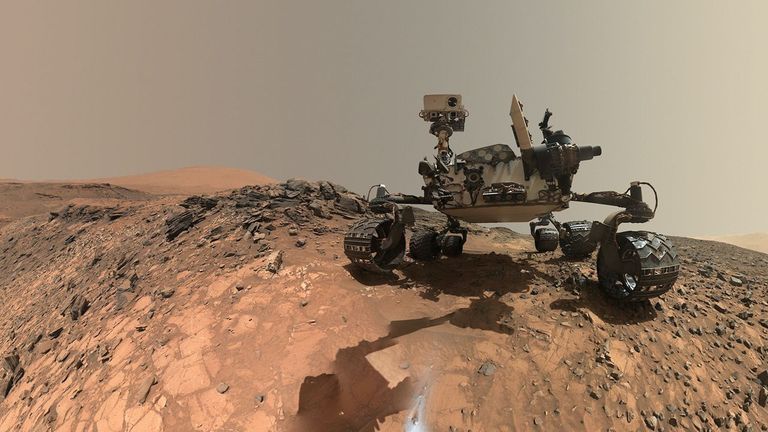
Additional activities included Mastcam imaging of calibration and drill targets, Navcam studies of dust devils, Mastcam tau observations, and twilight imaging. These efforts ensure that scientific progress continues even while the rover prepares for the next phase of its drilling campaign. The mission team plans to document the drill hole and tailings with extensive imaging to support future analysis.
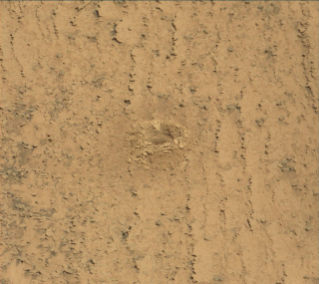
The Curiosity rover continues to adapt its operations to extend its mission life. By optimizing power usage and testing new execution strategies, NASA aims to maximize the scientific return from the remaining drilling activities at Nazca. The team will provide further updates on the completion of this campaign in future reports.
Source: NASA
