


Walking through a garden centre often feels like navigating a wall of consumer choices. Shelves are stacked with liquid concentrates, slow-release granules, droplet bottles, and specialist formulas designed for every type of foliage. Many gardeners swear by these products, while others insist their plants do perfectly fine without them. The argument often rests on the idea that plants in the wild manage without human intervention, leading some to question whether indoor feeding is just a marketing trick.
The Science Behind Plant Nutrition
Plants generate energy through photosynthesis, but that process does not provide the minerals they need to build tissue. Those nutrients come from the soil. In a natural environment, roots spread widely through earth that is constantly replenished by decaying leaves, rain, and living organisms. A potted plant, however, is confined to a limited volume of compost. Over time, the available nutrients in that pot run out. Without intervention, the plant is not receiving the nourishment required to grow vigorously.

Comparing Fed and Unfed Plants
To determine if fertiliser makes a tangible difference, a controlled test was conducted using two similar-sized houseplants that had been kept for several years. One plant received a balanced liquid feed during the watering routine throughout the growing season. The other plant received only water. For the first two months, the two plants appeared nearly identical. Both were healthy and maintaining their existing foliage.
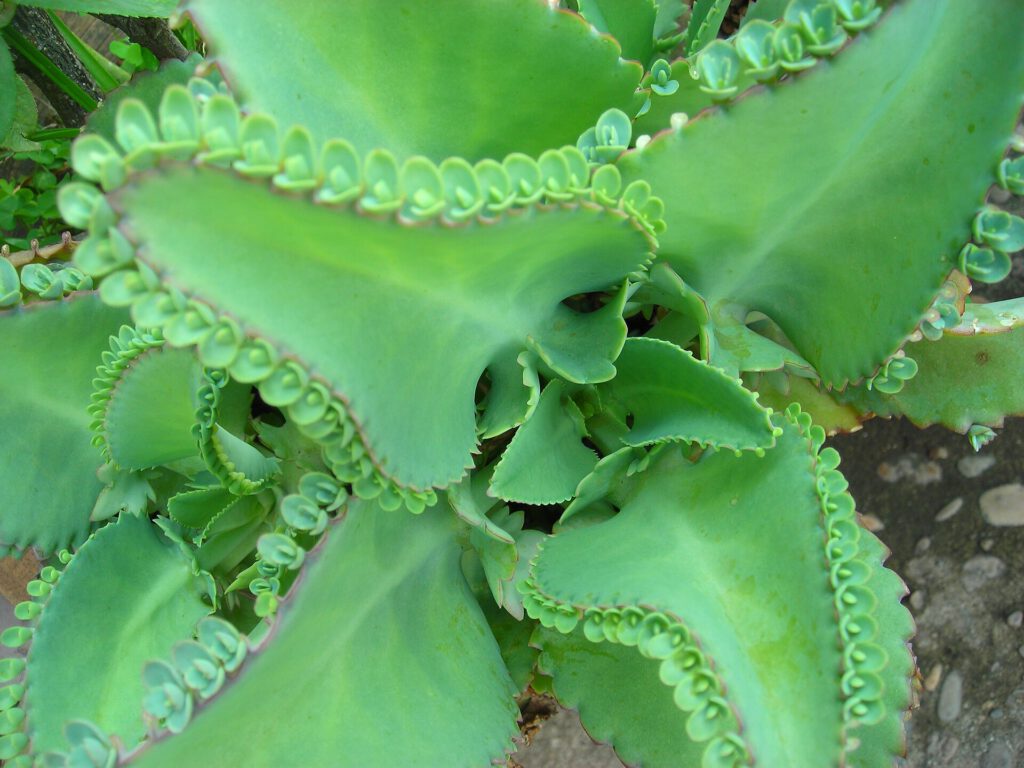
The divergence became clear by late summer. The plant receiving the liquid feed produced larger, darker leaves and showed consistent new growth. The unfed plant slowed down significantly. Its leaves paled, and it produced noticeably less new foliage. The unfed plant was surviving, but it was not thriving. This outcome suggests that while a plant can persist in a pot for a long time, it lacks the resources to reach its full potential without supplemental nutrients.
How to Feed Indoor Plants Correctly
The solution does not require a complex regimen or multiple specialised products. A single balanced liquid houseplant fertiliser is sufficient for most common indoor species. The correct amount should be added to the water during the active growing months. It is important to ease off feeding during the winter months when plant growth naturally slows. Repotting into fresh compost can sustain a plant for a few months, but once that initial nutrient reserve is depleted, fertiliser becomes necessary to provide healthy meals for continued development.
Source: The Guardian
